 Bellingham Roofing
 Why Two Roofs the Same Size Can Cost Very Different Amounts
Homeowners in Bellingham often start their roofing research by asking for a price per square foot. It's an understandable question, but it's the wrong starting point. Two houses with identical roof areas can land tens of thousands of dollars apart once you factor in pitch, layers of old roofing, decking condition, and how much detail work the roof requires around chimneys, skylights, and valleys. Understanding what actually moves the number helps you read quotes intelligently instead of just comparing bottom-line totals.
This guide walks through the real cost drivers behind a roof replacement in Whatcom County, so you know what you're paying for and where the honest trade-offs are.
Roof Size, Pitch, and Complexity
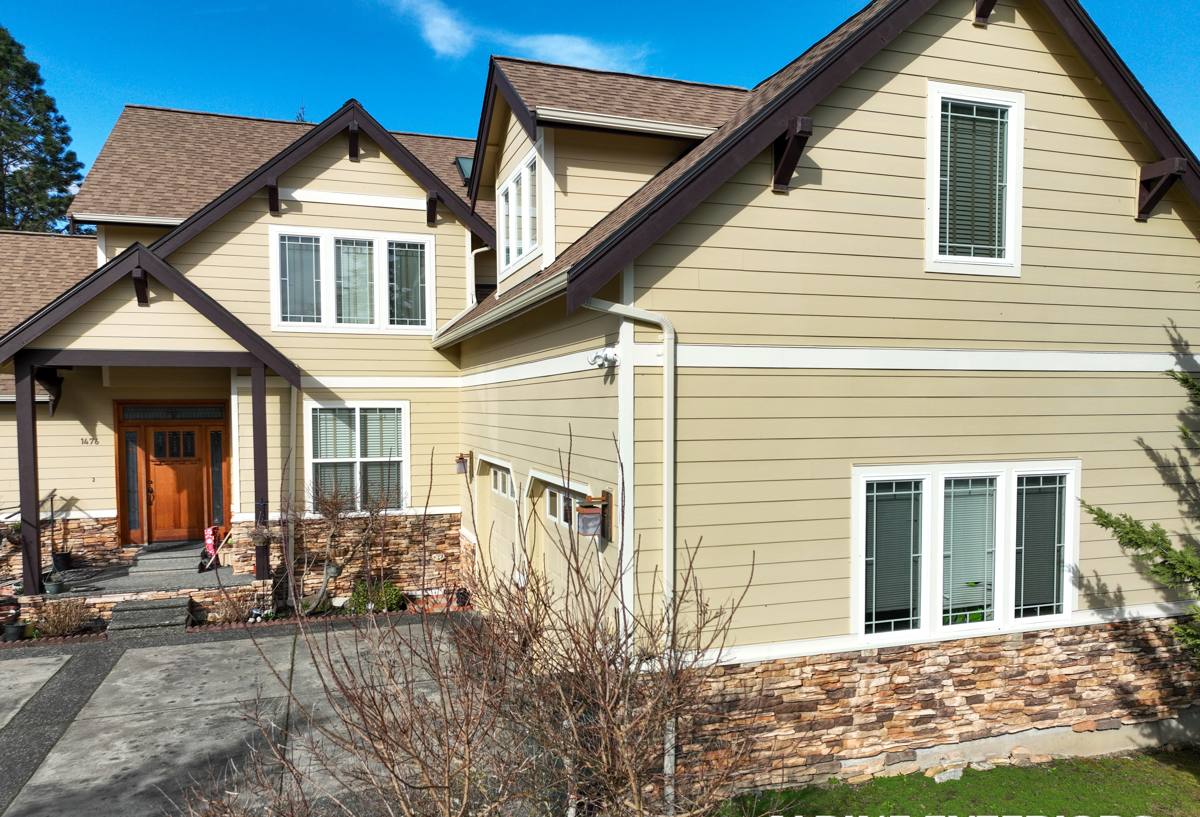
Square footage is the baseline, but it's not the whole story. A simple gable roof with a moderate pitch is straightforward to work, walk, and install materials on efficiently. A steep roof, a roof with multiple dormers, or one with lots of hips and valleys takes longer to tear off, more flashing to detail, and more safety setup for the crew. All of that shows up in labor hours, which is usually the largest single cost category in a roof replacement.
What Adds Complexity
- Steep pitches that require additional fall-protection and slow down every step of the job
- Multiple roof planes, dormers, and valleys that each need their own flashing details
- Chimneys, skylights, and vent penetrations, each a potential leak point that needs proper flashing
- Limited access — tight side yards, mature landscaping, or a roof that's hard to stage material on
Material Choice: Upfront Cost vs. Lifespan
Material is usually the second-biggest driver after labor, and it's the one homeowners have the most control over. Asphalt composition shingles remain the most common choice in this region because they balance upfront cost, availability, and performance in a wet climate reasonably well. Metal roofing costs more initially but can outlast several cycles of asphalt and sheds Bellingham's driving rain and moss growth more readily. Below is a general comparison — treat the numbers as broad ranges, since actual pricing depends on the specific product, roof complexity, and current material costs.
| Material | Typical Lifespan | Relative Upfront Cost | Notes for This Climate |
|---|---|---|---|
| 3-Tab Asphalt Shingle | 15–20 years | Lowest | Budget-friendly, but shorter life in constant damp conditions |
| Architectural (Laminate) Asphalt | 20–30 years | Moderate | Best balance of cost and durability for most Whatcom County homes |
| Standing Seam Metal | 40–60 years | Highest | Sheds moss and rain well, strong long-term value despite higher install cost |
| Synthetic/Composite | 30–50 years | High | Good moisture and impact resistance; product-specific warranties vary |
We're happy to walk through the trade-offs of each option honestly, including where a cheaper material might genuinely be the right call for your budget and timeline, and where spending more up front saves money over the life of the roof.
Tear-Off, Decking, and What's Underneath
Once the old roofing comes off, what's underneath matters as much as what goes back on. If the plywood or OshaB decking has soft spots, delamination, or rot — common after years of moisture intrusion around old flashing or clogged gutters — that decking has to be replaced before new roofing goes down. This isn't optional and isn't something a reputable contractor should skip to save money, because fastening shingles or metal panels to compromised decking undermines the whole roof.
A single layer of old shingles versus multiple layers also changes the tear-off cost. Many older Bellingham homes have a layer or two of prior roofing that needs to be fully removed, not roofed over, especially if you're switching materials or want the manufacturer's full warranty to apply.
Ventilation, Flashing, and the Details That Prevent Callbacks
The parts of a roof replacement that are hardest to see in a quote are often the parts that determine whether the roof performs well for the next twenty-plus years. Proper attic ventilation keeps moisture from building up under the decking, which matters a great deal in a climate where humidity and condensation are near-constant concerns. Flashing at chimneys, walls, valleys, and roof-to-wall transitions is where the overwhelming majority of leaks start — not from the field of shingles or panels themselves.
A quote that includes new flashing, proper underlayment, and correctly sized ventilation will cost more than one that reuses old flashing and skips ventilation upgrades. That difference isn't padding — it's the difference between a roof that stays dry and one that develops slow leaks a few years down the road.
Underlayment Matters More Here Than in Drier Climates
In a region that sees sustained rain and wind-driven moisture, the underlayment beneath the roofing material is a real line of defense, not a formality. Synthetic underlayment and self-adhered ice-and-water membrane at eaves, valleys, and penetrations add cost but meaningfully reduce the risk of water finding its way into the decking during the wettest stretches of the year.
How Bellingham's Climate Changes the Cost Math
Whatcom County's roofs work harder than roofs in drier parts of the country. Salt air off the Puget Sound and Bellingham Bay accelerates corrosion on exposed metal fasteners, flashing, and vents, which is why fastener and flashing material quality is worth asking about rather than treating as an afterthought. Driving rain, especially during fall and winter storms, tests every seam, valley, and penetration on a roof, which is part of why proper flashing and underlayment aren't places to cut corners here.
Then there's moss. Bellingham's long, wet moss season isn't just cosmetic — moss holds moisture against the roofing surface and, over years, can lift shingle edges and shorten the roof's effective life. Some material and installation choices (proper ventilation, certain metal or zinc/copper strip details, and roof pitch) affect how much moss becomes a recurring maintenance issue versus an occasional one. None of this means every roof needs the most expensive option — it means the climate should factor into the decision, not just the sticker price.
Permits, Disposal, and Line Items Homeowners Often Forget
A complete, honest quote includes more than materials and labor. Whatcom County and the City of Bellingham may require permits for a full roof replacement, and that cost — along with any required inspections — should be reflected in your quote rather than surprise you later. Disposal of the old roofing material is another real cost; a typical tear-off generates a significant amount of debris that has to be hauled and disposed of properly.
Other line items worth watching for: skylight or vent flashing replacement if those components are original to the house, gutter apron or drip edge upgrades, and any carpentry repairs to fascia or soffit discovered once the old roofing is off. A contractor who flags these as possibilities up front, rather than presenting a quote that assumes zero surprises, is usually giving you a more realistic picture.
Getting Accurate, Comparable Quotes
The best way to make sense of roof replacement pricing is to make sure you're comparing quotes that cover the same scope. A low number that skips decking repair, new flashing, or proper ventilation isn't actually a lower price — it's a different, incomplete job.
- Confirm whether the quote includes full tear-off or is roofing over existing layers
- Ask what happens if decking repair is needed and how that's priced
- Check that flashing, underlayment, and ventilation are specified, not just "materials"
- Ask about fastener and flashing material given the salt-air exposure near the water
- Confirm permit costs and debris disposal are included, not billed separately later
- Get the manufacturer warranty terms in writing, including what voids them
A written, itemized quote protects you either way — it gives you a clear basis for comparison and makes sure nothing critical gets left out once the tear-off starts.
Timing and Planning Around the Weather
Roofing work can happen across most of the year here, but scheduling around Bellingham's wettest stretches reduces the chance of weather delays mid-project and gives underlayment and adhesive components better conditions to perform as designed. If your roof is showing clear signs of age — granule loss, curling edges, persistent moss buildup, or visible daylight in the attic — it's worth getting an assessment before you're forced into an emergency replacement during a storm, which tends to limit your options and your negotiating room on scheduling.
If you're trying to figure out what a replacement would actually run for your specific roof, we're glad to take a look and walk you through the real cost drivers for your house — no pressure, no inflated worst-case pitch, just a straight answer. Use the form below to request a free estimate.