 Bellingham Roofing
 Every roof replacement or repair in Whatcom County comes with a second decision buried inside the first one: who's going to do the work. Bellingham's mix of salt air off the bay, long stretches of driving rain, and a moss season that never really ends puts real stress on a roof system — which means the quality of the installation matters more here than it would in a dry climate. A contractor who cuts corners on flashing details or ventilation won't show it on day one. It shows up eighteen months later, during the next atmospheric river, as a stain on your ceiling.
Most roofing scams and bad jobs aren't the result of some elaborate con. They follow a handful of predictable patterns. Knowing what those patterns look like before you're standing in your driveway with a contract in hand is the best protection you have.
Why Vetting Matters More in a Marine Climate
Roofs in dry, low-wind regions can survive a mediocre installation for years before problems surface. That's not how it works here. Whatcom County roofs deal with wind-driven rain that finds every gap in flashing, moss and moisture that sit on north-facing slopes for months at a time, and salt-laden air near the water that accelerates corrosion on exposed fasteners and metal components. A shortcut that would be invisible in Spokane can turn into a leak in Bellingham within a couple of wet seasons. That's the backdrop for every red flag below — the stakes for hiring the wrong contractor are simply higher in this climate.
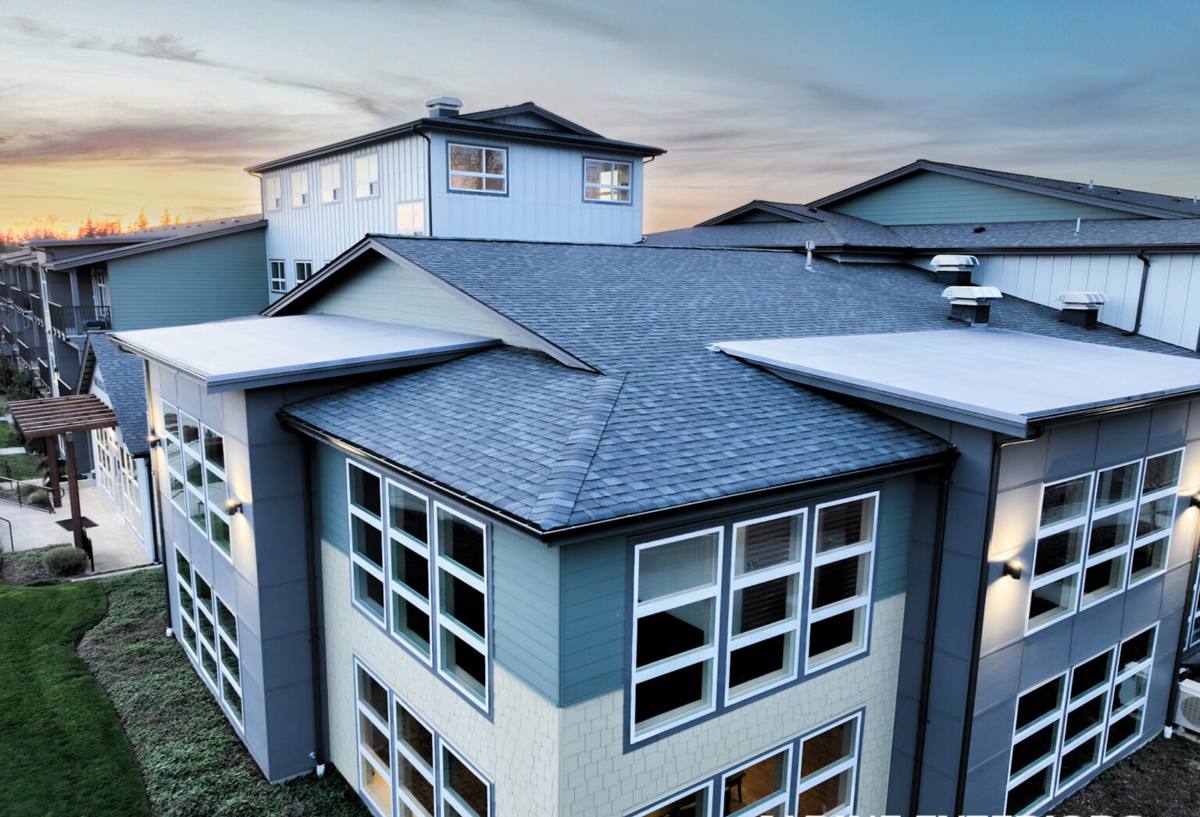
Red Flag: High-Pressure, Same-Day Sales Tactics
A legitimate contractor wants you to make an informed decision, not a fast one. Be cautious of anyone who:
- Insists you sign a contract that same visit, especially with a "today only" discount attached
- Shows up unsolicited after a windstorm claiming they "noticed damage" from the street
- Pushes you to file an insurance claim before an independent inspection has actually confirmed damage
- Discourages you from getting a second opinion or comparing quotes
Storm-chasing crews follow bad weather from region to region, do a rushed job, cash the check, and move on before problems surface. A roof is a five-figure investment and a decision that affects your home for the next 20-30 years. Anyone rushing you past that timeline is optimizing for their close rate, not your roof.
Red Flag: No Verifiable Local Presence
Ask where the company is based and how long they've worked in Whatcom County. A contractor with a real local presence has a reputation to protect and will still be reachable if a flashing detail needs adjusting two winters from now. Warning signs include a business address that's actually a UPS box, no local phone number, or a crew that can't name other jobs they've completed nearby. Local experience also means they already understand things like typical snow-load expectations at higher elevations east of town, how prevailing weather off the strait affects roof orientation, and which older Bellingham neighborhoods tend to have specific structural quirks worth checking before a tear-off.
Red Flag: Licensing, Bonding, and Insurance Gaps
In Washington, roofing contractors are required to carry a state contractor license through the Department of Labor & Industries (L&I), along with a surety bond and liability insurance. This isn't paperwork trivia — it's what protects you if something goes wrong. Verify these three things before any work begins, not after.
| What to Verify | Why It Matters | How a Homeowner Checks |
|---|---|---|
| WA Contractor License | Confirms the business is legally registered to do contracting work in the state | Ask for the license number and confirm it's active and in good standing |
| Surety Bond | Gives you a recovery path if the contractor fails to complete work or pay subcontractors/suppliers | Ask for bond confirmation; bonds have coverage limits, so understand what's actually protected |
| Liability Insurance | Covers property damage caused during the job — a ladder through a window, a damaged gutter, etc. | Request a certificate of insurance naming your address, not just a general claim of "insured" |
| Workers' Comp Coverage | Protects you from liability if a worker is injured on your property | Ask directly; a legitimate crew will have this without hesitation |
A contractor who gets vague, defensive, or slow to produce this documentation is telling you something important. Don't let politeness talk you out of asking twice.
Red Flag: Vague, Verbal, or Incomplete Estimates
A written estimate should spell out the scope of work in plain terms: what's being removed, what underlayment and materials are going down, whether decking repair is included or billed separately, ventilation changes, cleanup, and the payment schedule. If an estimate is a single lump-sum number with no breakdown, or if the contractor is reluctant to put anything in writing, that's a problem. Vague scope is how change orders balloon mid-project and how corners get cut without you noticing — because nothing specific was ever promised in the first place.
What a Solid Estimate Should Include
At minimum, expect line items for tear-off and disposal, underlayment type, material and manufacturer, flashing and ventilation work, any decking replacement contingency pricing, and a clear timeline. If moss or algae growth is visible on the existing roof, a straight estimate should also note whether that's addressed as part of the prep work — skipping it just means the new roof starts its life with the same problem underneath.
Red Flag: Full Payment or Large Deposits Upfront
It's normal for a contractor to ask for a modest deposit to order materials, but demanding full payment before work starts — or before it's finished — removes your leverage entirely. If a problem shows up mid-project, or the job simply doesn't get finished, you have far less recourse once the money's already gone. A reasonable payment structure ties payments to progress: a deposit, a payment at material delivery or dry-in, and a final payment on completion and your sign-off.
Red Flag: Pushing One Product Without Explaining Trade-Offs
Be cautious of a contractor who has exactly one answer for every roof, regardless of the home's age, slope, or exposure. A contractor who explains why they're recommending a particular material — and is willing to talk through the trade-offs of alternatives — is thinking about your specific situation. One who won't discuss anything else, or dismisses questions about ventilation, underlayment quality, or moss resistance, may be more interested in moving a preferred product than solving your roof's actual problem. Manufacturer certification is worth asking about too: certified installers typically carry stronger workmanship warranty backing because the manufacturer has actually vetted their installation practices, not just their sales pitch.
Red Flag: No References or a Refusal to Provide Them
A contractor with a real track record in the area should have no trouble pointing you toward completed work or past clients willing to talk. That doesn't mean you need a stack of testimonials — just a willingness to answer honestly when asked. Reluctance, deflection, or references that turn out to be unreachable are worth taking seriously.
A Practical Vetting Checklist
Before signing anything, work through this list:
- Confirmed active WA contractor license, bond, and liability insurance — in writing, not just verbally
- Local business address and phone number you can verify
- Written, itemized estimate with materials, scope, and payment schedule spelled out
- No demand for full payment upfront
- No pressure to sign the same day or skip getting a second quote
- Willing to explain material choices and trade-offs rather than pushing a single product
- Clear answer on how moss, moisture, and ventilation issues will be addressed, not just the visible shingle layer
- Comfortable providing references or pointing to completed local work
Trust Your Read on the Conversation
Most of these red flags aren't subtle once you know to look for them. A contractor who's confident in their work is generally happy to slow down, answer questions, and put things in writing — because they're not worried about you having time to think it over. If something about a bid or a sales pitch feels off, it's worth pausing, even if the price looks good. A roof that's installed wrong to save a few dollars ends up costing far more once the next round of Whatcom County rain finds its way in.
If you're weighing a roof repair or replacement and want a second set of eyes, we're happy to walk your roof, give you a straight written estimate, and answer whatever questions you've got — no pressure, no same-day sales tactics. Reach out for a free estimate using the form below.