 Bellingham Roofing
 The Question We Get Asked Constantly
Every few weeks, a homeowner in Bellingham asks us some version of the same thing: "Should I just put a metal roof on and be done with it?" It's a fair question. Metal roofing has a reputation for lasting decades, shedding rain fast, and not growing moss the way shingles do. But metal isn't automatically the right call for every house, every budget, or every roofline. This page is meant to give you a straight, no-sales-pitch answer based on what actually matters in our climate — not a national blog's generic pros-and-cons list.
Whatcom County sits in a specific weather pattern: we're close enough to Bellingham Bay and the Salish Sea to deal with salt-laden air, we get long stretches of driving rain off the water, and our mild, damp winters create a moss season that can run from October through May. All three of those factors change the math on metal versus shingles more than people expect.
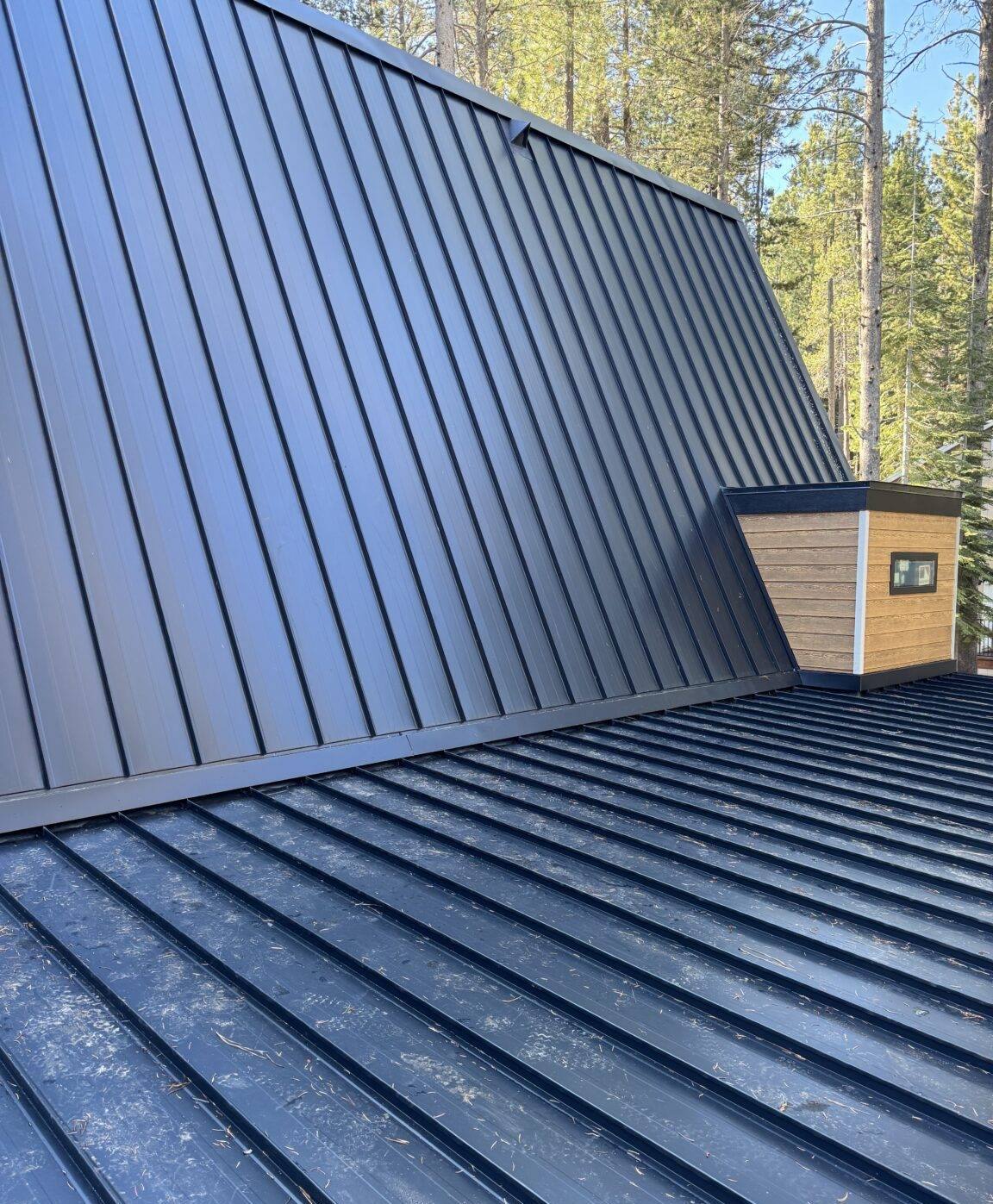
How Metal and Asphalt Shingles Actually Compare
Before getting into the climate-specific stuff, it helps to see the baseline differences side by side. These are general industry ranges, not quotes — your actual numbers depend on roof pitch, access, tear-off scope, and the specific product line.
| Factor | Asphalt Shingles | Metal Roofing |
|---|---|---|
| Typical lifespan | 20-30 years | 40-60+ years |
| Upfront material + install cost | Lower | 2-3x higher than shingles |
| Moss resistance | Prone to moss and moisture retention over time | Sheds moisture fast; moss struggles to establish |
| Wind and rain performance | Good when properly installed | Excellent; interlocking panels resist wind-driven rain |
| Weight | Moderate | Lighter per square in most panel styles |
| Noise in heavy rain | Minimal, due to standard underlayment | Noticeable unless properly insulated and decked |
| Salt air / coastal wear | Granule loss can accelerate near salt air | Depends heavily on coating and fastener quality |
| Repairability | Easy to patch individual shingles | Panel replacement is more specialized |
What Salt Air Actually Does to a Roof
Bellingham isn't oceanfront in the way some coastal towns are, but Bellingham Bay and the surrounding waterways still put a measurable amount of salt into the air, especially on the west-facing and waterfront-adjacent properties. Salt air is corrosive to exposed metal fasteners, flashing, and lower-grade metal panels over time. It also accelerates granule loss on asphalt shingles, which shortens their effective lifespan near the water compared to inland homes.
What this means for metal roofing
Not all metal roofing handles salt exposure the same way. Galvanized steel is more vulnerable to corrosion near salt air than aluminum or properly coated steel systems (like Galvalume with a quality paint finish). If you're closer to the water, the specific metal alloy and coating matter more than the fact that it's "metal." This is one of the biggest mistakes we see homeowners make — assuming any metal roof is equally durable, when coastal exposure actually narrows the field of products worth considering.
Driving Rain and Roof Performance
Whatcom County gets a lot of rain, and a good chunk of it doesn't fall straight down — wind off the bay pushes it sideways, especially during fall and winter storms. This matters for roofing because wind-driven rain finds every weak seam, nail pop, and poorly lapped flashing detail.
Metal roofing, particularly standing-seam systems with concealed fasteners, generally handles wind-driven rain better than shingles because there are fewer exposed penetration points for water to work into. That said, a well-installed architectural shingle roof with proper underlayment, ice-and-water shield at vulnerable areas, and correctly flashed valleys and penetrations will also perform well in our rain. The honest truth is that installation quality affects wind-driven rain performance more than material choice alone. A poorly installed metal roof can leak just as badly as a poorly installed shingle roof — sometimes worse, because metal panel seams are less forgiving of installer error.
Moss: The Slow, Quiet Roof Killer Here
If you've lived in Bellingham for more than a season, you already know moss is a fact of life. Our combination of shade from mature trees, persistent moisture, and mild temperatures gives moss everything it needs to establish on a roof surface. On asphalt shingles, moss doesn't just look bad — it holds moisture against the shingle mat, works its way under tabs, and can lift and loosen shingles over years, shortening the roof's usable life well before its rated age.
Why metal fares better here
- Metal panels shed water fast, so there's less standing moisture for moss spores to take hold in
- Smooth, non-porous surfaces give moss less to grip onto compared to the textured surface of asphalt granules
- Steeper-pitch metal roofs in particular tend to stay drier longer, further discouraging growth
Metal isn't moss-proof, especially in heavily shaded, low-pitch areas or where debris accumulates in valleys. But it holds out longer and is easier to keep clean without damaging the surface, compared to scrubbing or treating shingles.
Cost: The Real Trade-Off
This is where most homeowners make their final decision, and it deserves an honest answer rather than a sales pitch. Metal roofing costs more upfront than asphalt shingles — often two to three times as much depending on the panel style and complexity of your roof. Standing-seam systems (with their clean, hidden-fastener look) sit at the higher end; exposed-fastener corrugated or ribbed panels cost less but require more maintenance over time to keep fasteners sealed.
The counterargument is lifespan. A quality metal roof can last twice as long or more than asphalt shingles, and it typically requires less mid-life maintenance if installed correctly. Whether that trade-off is "worth it" really depends on how long you plan to stay in the home, whether you value the lower long-term maintenance, and your upfront budget. We don't think there's a universally correct answer — it's a decision that should match your actual plans for the property, not a trend.
Where Metal Makes the Most Sense in Whatcom County
Based on what we see across Bellingham and the surrounding areas, metal roofing tends to be the stronger choice when:
- You're planning to stay in the home long-term and want to minimize future roof replacements
- Your roof has a steeper pitch, which suits metal's water-shedding strengths and reduces snow/debris load concerns
- You have heavy tree cover and want a surface that resists moss longer with less scrubbing
- You're building new or doing a full tear-off anyway, since metal is more cost-effective when it's not competing against a "just patch it" option
- You want a lower-maintenance roof and are comfortable with the higher upfront investment
Asphalt shingles still make sense for many homes — particularly where budget is the driving factor, where the roof geometry is complex with lots of penetrations and low-slope sections, or where a homeowner plans to sell within the next several years and doesn't need to maximize lifespan.
What We Don't Recommend, and Why
We're selective about which metal products we install, and it comes down to the same salt-air and moisture issues covered above. Lower-grade galvanized panels or systems with cheap paint finishes can corrode or fade faster near the water than their marketing suggests, and once a coating fails, the panel underneath is exposed to exactly the conditions it was supposed to resist. Our standard is to only install metal systems with coatings and alloys rated for coastal or high-moisture climates, with fastener and flashing details built for our specific rain patterns — not the generic, driest-climate installation spec. That's a maintenance and longevity decision on our end, not a knock on metal roofing as a category.
Questions to Ask Before You Decide
Whichever direction you're leaning, these are the questions worth getting straight answers to before signing a contract:
- What specific metal alloy and coating (if going metal) is rated for coastal/salt-air exposure?
- What underlayment and ice-and-water shield will be used at valleys, eaves, and penetrations?
- How will the roof's pitch and tree coverage affect moss and debris buildup over time?
- What's the manufacturer's warranty, and does it cover coastal or high-moisture environments specifically?
- How does the installer handle flashing around chimneys, skylights, and vents — the most common leak points regardless of material?
The Bottom Line
Metal roofing genuinely earns its reputation in a climate like ours — it holds up well against Bellingham's salt air, driving rain, and moss when the right product and installation details are used. But it's not automatically the better choice for every home or every budget. Asphalt shingles, installed correctly with the right underlayment and attention to detail, still perform reliably in Whatcom County for homeowners who don't need the longest possible lifespan. The right answer depends on your roof's pitch, your tree coverage, how long you're staying in the home, and what you're comfortable spending upfront.
If you're weighing metal against shingles for your own home, we're happy to take a look at your specific roof and talk through what actually makes sense for your situation. Reach out for a free, no-pressure estimate — we'll give you our honest read, not a scripted pitch.