 Bellingham Roofing
 Roofing in Lynden: A Different Kind of Weather Problem
Lynden sits inland from Bellingham, out toward the Nooksack River valley and the Canadian border, and that inland position changes what a roof has to deal with compared to homes closer to the water. You get less direct salt exposure than waterfront neighborhoods, but you make up for it with heavier fog cycles, colder overnight temperatures in the valley bottom, and long stretches of damp, low-sun weather that keep roof surfaces wet far longer than a quick rain shower would suggest. In farming and open-land areas around Lynden, roofs also take more wind-driven rain across exposed slopes than roofs tucked into denser, tree-sheltered neighborhoods.
None of that is dramatic on its own. The problem is what it adds up to over years: moss and algae growth that never fully dries out, granule loss on aging asphalt shingles from repeated freeze-thaw cycling, and slow water intrusion at flashing points that only shows up once it's already caused damage inside the attic or along a wall line. A roof built for a drier climate simply doesn't hold up the same way here.
What Whatcom County Weather Does to a Roof Over Time
Moss and Organic Growth
Whatcom County's moss season isn't a seasonal inconvenience, it's close to a year-round condition on north-facing slopes and anywhere shade keeps a roof from drying out between rain events. Moss holds moisture directly against the roofing material, and on asphalt shingles that means accelerated granule loss; on cedar or wood products it means faster decay. Left untreated, moss also works its way under shingle tabs and lifts them, which is when water starts finding paths it shouldn't have.
Driving Rain and Wind
Open farmland and valley exposure around Lynden means wind-driven rain can push water sideways into places a roof system expects it to come from above. That's why flashing detail — around chimneys, skylights, valleys, and where a roof meets a wall — matters more here than in sheltered coastal towns. A roof can look fine from the ground and still be failing at a flashing seam.
Salt Air, Even Inland
Lynden isn't waterfront, but Whatcom County as a whole sits close enough to Puget Sound that airborne salt still reaches inland on the right wind patterns, especially combined with the region's persistent humidity. It's a slower-acting factor here than it is in Bellingham's shoreline neighborhoods, but it still contributes to metal corrosion on fasteners, flashing, and gutter systems over the life of a roof.
Roofing Materials That Actually Make Sense Here
We don't push one product for every roof. The right choice depends on the home's exposure, roof pitch, budget, and how much upkeep the homeowner wants to take on. Here's how the common options actually perform in this climate:
| Material | How It Handles Local Weather | Maintenance Reality |
|---|---|---|
| Architectural asphalt shingles | Solid performance with proper ventilation and moss-resistant granules; most common choice regionally | Periodic moss treatment and gutter clearing; 25-30 year expected lifespan |
| Standing seam metal | Excellent for shedding driving rain and resisting moss buildup on steeper pitches | Low ongoing maintenance; higher upfront cost |
| Cedar shake | Traditional look but holds moisture longer in shaded, damp conditions | Requires regular treatment and closer inspection cycles; we're upfront about this trade-off before installing it |
| Composite/synthetic shingle | Good moisture resistance with less maintenance sensitivity than wood products | Moderate cost, moderate upkeep |
Whatever material a homeowner chooses, ventilation is where a lot of roofs in this area fall short. A roof deck that can't breathe traps moisture underneath, which shortens the life of any material regardless of what's on top of it. We check attic ventilation as a standard part of any roofing estimate.
How We Approach a Lynden Roof Job
Our process doesn't change based on zip code, but what we look for does. On a Lynden property, we're specifically checking:
- Moss coverage and growth pattern, especially on north- and east-facing slopes
- Flashing condition around every penetration — chimneys, vents, skylights, valleys
- Attic ventilation and signs of trapped moisture or condensation staining
- Gutter and downspout function, since clogged gutters back water up under the roof edge
- Fastener and metal corrosion, particularly on older roofs with exposed hardware
- Overall roof age against expected material lifespan for this climate
That inspection is what an estimate is actually based on — not a guess from the driveway. If a roof has years of life left, we'll say so. If a repair will hold for a reasonable stretch instead of a full replacement, we'll recommend that instead.
Beyond the Roof: Siding, Windows, and Decks in the Same Climate
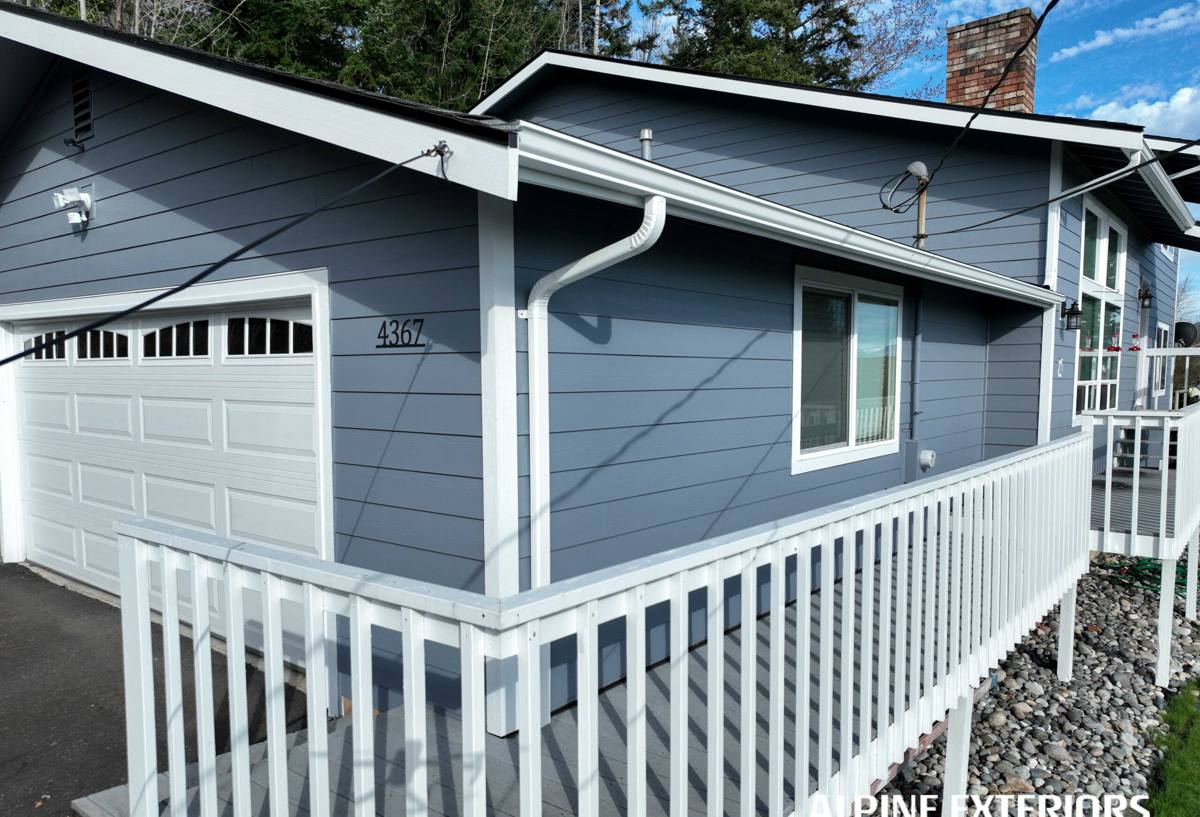
Roofs don't fail in isolation. The same moisture cycle that wears down a roof also affects siding, window seals, and any exterior wood structure like a deck, so we look at the whole exterior when we're on-site.
Siding
Siding in this area needs to manage moisture at the seams and around window and door penetrations, since that's where water intrusion actually starts. We pay close attention to house wrap and flashing integration, not just the visible siding material, because a good-looking siding job with poor water management underneath will fail from the inside out.
Windows
Older window seals in this climate tend to fail gradually — fogging between panes, drafts, or soft trim around the frame are the early signs. Replacement windows with solid weatherstripping and proper flashing integration reduce both energy loss and the slow water damage that comes from a failing seal.
Decks
Decks take a direct hit from this climate: standing water on horizontal surfaces, moss growth between boards, and ledger board connections that are a common point of hidden rot if they weren't flashed correctly at installation. We check ledger board and post-base condition on every deck inspection, since that's structural, not cosmetic.
Why a Local Crew Matters for This Kind of Work
A roofing or siding crew that mostly works in a drier inland climate will make reasonable decisions that don't hold up here — under-ventilating an attic, skipping moss-resistant materials, or under-building flashing details that matter more with Whatcom County's rain patterns. A crew that works Bellingham, Lynden, and the surrounding county regularly has already seen how these houses age in this specific weather, and that shows up in the choices made during installation, not just in the sales pitch.
It also matters for follow-up. Weather-related exterior work sometimes needs a warranty check or a maintenance visit a few years down the line, and a local, established crew is easier to reach than a company that moved on to the next region after the job was done.
What Homeowners Can Do Between Professional Visits
- Clear gutters and downspouts at least twice a year, more often if the property has overhanging trees
- Look for visible moss buildup after the wetter months and address it before it spreads
- Check attic spaces periodically for musty smells, staining, or condensation — early signs of ventilation or leak issues
- Walk the exterior after major wind or storm events looking for lifted shingles, loose siding panels, or debris caught in valleys
- Keep an eye on deck boards for soft spots or standing water that doesn't drain within a day
None of this replaces a professional inspection, but catching a small issue early is almost always cheaper than repairing the damage it causes if it's left alone through another wet season.
Cost Factors Homeowners Should Understand
Every property is different, but the biggest cost drivers on exterior work in this area tend to be consistent:
| Factor | Why It Affects Cost |
|---|---|
| Roof pitch and access | Steeper or harder-to-access roofs take longer and require more safety setup |
| Existing damage extent | Hidden rot or moisture damage found during tear-off adds necessary repair work |
| Material choice | Metal and composite products cost more upfront but less in long-term maintenance |
| Ventilation upgrades | Adding or correcting attic ventilation is a smaller line item that extends material life significantly |
| Flashing detail complexity | Homes with multiple valleys, chimneys, or skylights require more flashing labor |
We break these factors down clearly in every estimate so a homeowner understands what they're paying for and why, not just a bottom-line number.
Get a Straightforward Look at Your Roof
If you're in Lynden or anywhere else in Whatcom County and want an honest read on your roof, siding, windows, or deck, we're happy to take a look. There's no pressure and no obligation — just a clear picture of where things stand and what your options actually are. Use the form below to request a free estimate.