 Bellingham Roofing
 Exterior Work Built for Cordata's Climate
Cordata sits on the north side of Bellingham, close enough to the water that salt-laden air is a constant factor in how roofs, siding, and trim age here, and far enough inland that it still catches the full brunt of Whatcom County's long, wet winters. Homes in this part of town deal with a specific combination of stressors: near-daily drizzle for months at a time, driving wind-rain off the Strait that pushes moisture sideways into wall assemblies, and a moss season that can run from October through May if a roof isn't kept ahead of it. None of this is exotic to anyone who's lived here a while, but it does mean exterior materials and installation details that work fine in a drier climate can fail early in Cordata if they're not matched to what this area actually throws at a house.
We're a local crew that works siding, roofing, windows, and decks across Bellingham and Whatcom County, and Cordata is regular territory for us. That matters less as a marketing point and more as a practical one: knowing which streets sit in denser tree cover, which lots get more wind exposure, and how a given roof pitch or siding type has actually performed nearby over several wet seasons is the kind of knowledge that only comes from doing the work here repeatedly.
What the Climate Actually Does to a House
Salt Air and Metal Fatigue
Proximity to Bellingham Bay means airborne salt reaches roofs and siding even a few miles inland, especially on days with onshore wind. Salt accelerates corrosion on exposed fasteners, flashing, and any unpainted or lower-grade metal components. It's rarely dramatic — it shows up as rust bleed at nail heads, pitting on flashing edges, or premature failure of cheaper gutter systems. The fix isn't complicated: use corrosion-resistant fasteners and flashing rated for coastal exposure, and don't cut corners on metal quality just because the difference isn't visible on day one.
Driving Rain and Wall Moisture
Bellingham doesn't usually get the kind of violent downpours some regions see, but it gets sustained, wind-driven rain that finds every gap in a building envelope over time. This is a bigger deal for siding and window installation than most homeowners realize. Water doesn't have to pour in to cause damage — it just has to get behind the cladding and stay there. Proper weather-resistant barriers, correctly lapped flashing, and siding installed with real drainage gaps behind it are what actually keep a wall assembly dry through a Whatcom County winter, not just what the siding looks like from the curb.
Moss, Shade, and Roof Longevity
Cordata has enough mature tree cover in and around it that shaded roof sections are common, and shade plus moisture is exactly what moss needs. Moss holds water against roofing material, lifts shingle edges, and works its way under laps where it doesn't belong. Left unchecked over a few seasons, it shortens the life of an otherwise sound roof. This is one of the most preventable forms of roof damage we see, and it's almost entirely a maintenance issue rather than an installation defect.
Roofing in Cordata: What We Look At
A roof inspection here isn't just a visual check for missing shingles. We look at moss and algae growth patterns, the condition of flashing around every penetration (chimneys, vents, skylights), gutter and downspout function, and whether prior repairs were done with materials suited to this climate or just whatever was on hand. On steeper or heavily shaded roofs, we pay particular attention to valleys and north-facing slopes, since those areas dry out slowest and take the most moss pressure.
Common Roofing Services
- Full roof replacement, including tear-off and deck inspection for hidden rot
- Repair of storm damage, missing shingles, and failed flashing
- Moss treatment and removal, plus preventive recommendations to slow regrowth
- Gutter and downspout repair or replacement to keep water moving away from the roofline and foundation
- Roof inspections for home sales, insurance documentation, or general peace of mind
We don't push a full replacement when a targeted repair will genuinely hold. If a roof has years of life left and just needs flashing work or moss remediation, that's what we'll recommend — the goal is an honest read on where the roof actually stands, not the biggest possible invoice.
Siding: Matching Material to Exposure
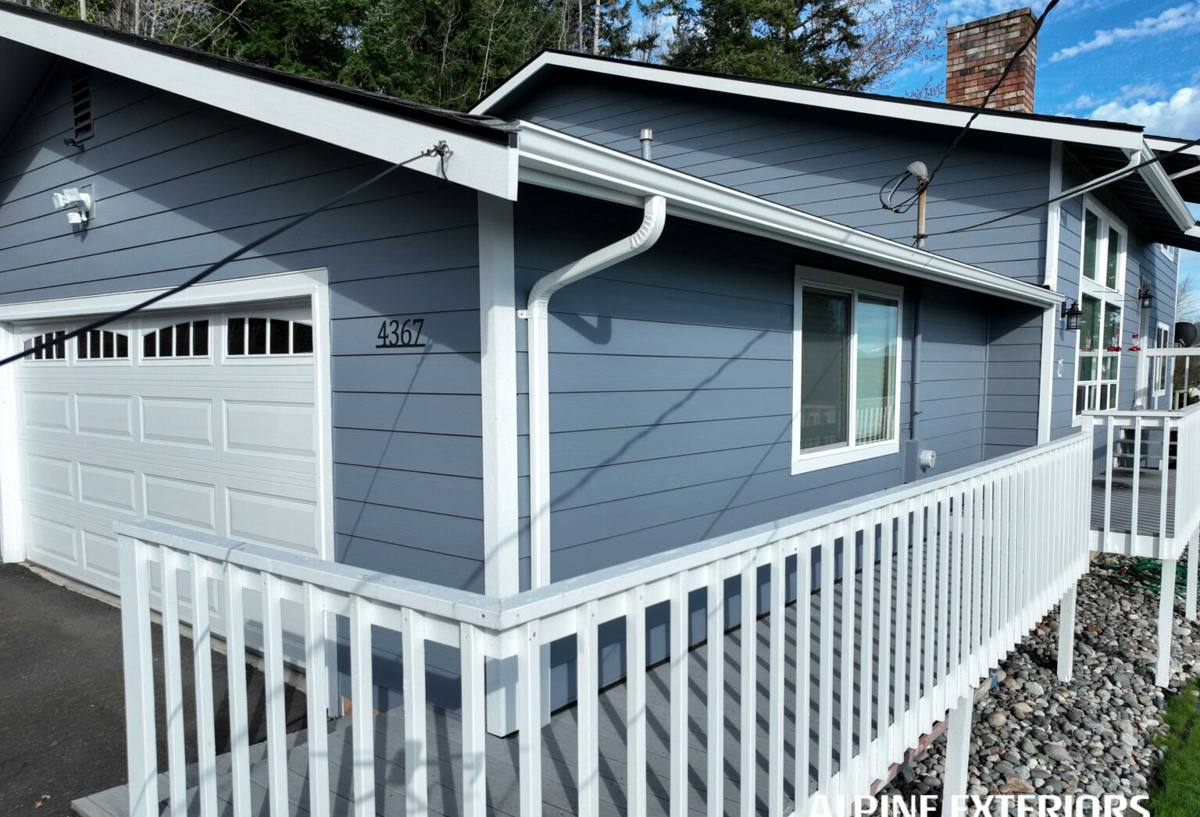
Siding choice in Cordata should account for how much wind-driven rain and shade a given side of the house gets, not just overall style preference. Fiber cement holds up well against moisture and doesn't feed moss growth the way some organic materials can. Engineered wood products have improved a great deal but are more installation-sensitive — details like caulking, flashing, and end-cut sealing matter more with these products, and skipping them is where problems start. Vinyl remains a lower-maintenance, budget-friendly option, though it has its own trade-offs in impact resistance and appearance longevity.
Our standard is to install whatever material a homeowner chooses to the manufacturer's actual moisture-management specifications, not a shortcut version. In a climate this wet, the flashing and house-wrap details behind the siding matter as much as the siding itself.
Siding Material Comparison
| Material | Moisture Resistance | Maintenance | Typical Lifespan |
|---|---|---|---|
| Fiber Cement | Very good | Repaint every 10-15 years | 30-50 years |
| Engineered Wood | Good if detailed correctly | Moderate; watch cut edges | 20-30 years |
| Vinyl | Good | Low; occasional cleaning | 20-40 years |
| Wood (traditional) | Fair; needs upkeep | High; regular sealing/painting | 15-30 years, varies widely |
Windows: Sealing Out a Wet Climate
Old or poorly installed windows are a common source of slow water intrusion in this area, usually showing up as staining, soft trim, or drafts long before anything looks obviously broken. Window replacement here is as much about the installation as the product — correct flashing integration with the wall assembly, proper sill pan drainage, and sealing that accounts for wind-driven rain are what actually keep water out. We also look at overall energy performance, since well-sealed windows make a real difference in heating costs through a Whatcom County winter.
Signs Window Replacement Is Worth Considering
- Visible condensation between glass panes, indicating seal failure
- Soft or discolored trim and sill areas, a sign moisture is already getting in
- Noticeable drafts or difficulty opening and closing
- Rising heating bills without another clear cause
- Single-pane or original windows on an older home that's never been updated
Decks: Built to Survive Wet Winters
A deck in Cordata spends much of the year damp, which puts real pressure on fasteners, ledger connections, and any wood-to-ground contact points. The most common deck failures we see aren't dramatic structural collapses — they're slow issues like rot at the ledger board where it meets the house, rusted or under-sized fasteners, and standing water on boards that weren't given enough slope or airflow underneath. Composite decking has become popular here partly because it sidesteps a lot of the wood-rot maintenance cycle, but it still needs a properly built and flashed substructure underneath to perform well long-term. Wood decking remains a solid choice too, provided it's sealed on a realistic schedule and the structural connections use fasteners rated for wet exposure.
Why a Local Crew Matters Here
Exterior work in Bellingham isn't the same job as exterior work in a drier part of the country, and it isn't quite the same job as exterior work in Seattle or Portland either — the specific combination of coastal salt exposure, sustained rainfall, and heavy tree canopy in neighborhoods like Cordata calls for details that a crew unfamiliar with the area might skip without realizing it matters. A local contractor also means someone who can respond quickly if a storm causes damage, who's accountable to a reputation in the same community they work in, and who isn't disappearing to another region once the job is done.
Planning an Exterior Project: What to Expect
Typical Project Timeline Factors
| Project Type | Key Timing Consideration |
|---|---|
| Roof replacement | Best scheduled around dry weather windows; weather delays are normal here |
| Siding replacement | Material lead times vary; wall assembly work should avoid peak rain months when possible |
| Window replacement | Can often be done in phases if budget requires |
| Deck rebuild | Structural inspection first; permitting may apply depending on scope |
We're upfront about how our regional weather affects scheduling. Whatcom County doesn't offer long stretches of guaranteed dry weather, so realistic timelines account for that rather than promising a schedule that ignores it.
A Simple Maintenance Checklist for Cordata Homes
- Clear gutters and downspouts at least twice a year, more often under heavy tree cover
- Check for moss buildup on roof surfaces each fall before the wet season sets in
- Look for staining or soft spots around window and door trim annually
- Inspect deck ledger boards and fasteners for rust or rot each spring
- Walk the exterior after major windstorms to check for loose flashing or displaced shingles
Getting an Honest Assessment
Whether it's a roof that's showing its age, siding that's letting moisture in, windows that are past their useful life, or a deck that needs more than a quick patch, the first step is an honest look at what's actually going on and what it will take to fix it right for this climate. If you're in Cordata or anywhere else around Bellingham and Whatcom County, we're happy to come take a look and give you a straightforward, no-pressure estimate using the form below.