 Bellingham Roofing
 Roofing Built for Happy Valley's Climate
Happy Valley sits close enough to Bellingham Bay and the surrounding waterways that homes here deal with a specific combination of weather stress: salt-laden air moving in off the water, long stretches of driving rain through fall and winter, and a moss season that can run nearly year-round under the tree cover common in this part of Whatcom County. None of that is unusual for western Washington, but it adds up differently depending on the age of your roof, the pitch, and how much shade your lot gets. A roof that would hold up fine in a drier, more open part of the state can wear out faster here if it wasn't installed or maintained with our conditions in mind.
We work on homes throughout Happy Valley and the rest of Bellingham, and we see the same patterns repeat: moss buildup on north-facing slopes, granule loss from years of wind-driven rain, and soft spots where gutters have been overwhelmed during heavy storms. Understanding those patterns is a big part of doing this work right in this neighborhood.
What Salt Air and Rain Do to a Roof Over Time
Proximity to the bay means airborne salt settles on roofing materials, siding, and exposed metal over time. It's a slow process, but it's a real one — metal flashing, fasteners, and gutter hardware are the components most affected. Lower-grade or improperly coated metal can corrode faster near the water than it would further inland, which is why the materials and fastener types we choose matter more here than in a landlocked town.
Driving rain adds a second layer of stress. Bellingham doesn't just get rain — it gets rain pushed sideways by wind off the water often enough that underlayment quality, flashing details around penetrations, and proper overlap at seams are not optional extras. They're the difference between a roof that sheds water cleanly for decades and one that develops slow leaks nobody notices until there's a stain on a ceiling.
Common Signs of Weather Wear We Look For
- Moss or algae streaking on shaded or north-facing roof sections
- Granule buildup in gutters, a sign asphalt shingles are wearing down
- Rust staining around metal flashing, vents, or fasteners
- Soft or spongy decking near valleys and eaves
- Curling, lifting, or cracked shingles, especially on older roofs
- Water stains on interior ceilings near exterior walls
Moss: A Year-Round Concern in This Neighborhood
Happy Valley's tree cover and consistent moisture make it good habitat for moss, and moss is not just a cosmetic problem. Left alone, it holds water against the roof surface, lifts shingle edges, and slowly works its way under the roofing material. On older roofs, established moss growth can shorten the remaining service life of the roof noticeably.
We don't recommend pressure washing a roof to remove moss — it's an easy way to strip granules and shorten a roof's life faster than the moss itself would. Manual removal with proper technique, followed by treatment and attention to the tree canopy and airflow around the roof, is a more durable approach. For homes with heavy shade, periodic moss maintenance is worth planning into your annual home upkeep rather than waiting until it's a visible problem.
Roofing Material Comparison for Wet, Shaded Lots
| Material | Moss Resistance | Typical Lifespan Here | Maintenance Needs |
|---|---|---|---|
| Asphalt Composition Shingle | Moderate (with zinc/copper strips) | 20-30 years | Periodic moss treatment, gutter checks |
| Metal Roofing | Good | 40-60 years | Low; fastener/seam checks over time |
| Cedar Shake | Requires active upkeep | 25-30 years with care | Regular treatment; higher maintenance in shade |
| Synthetic/Composite Shingle | Good | 30-50 years | Low to moderate |
There's no single "best" roofing material for every home — pitch, shade, budget, and the look you want for the house all factor in. What we won't do is install a system that isn't suited to a shaded, wet lot without being upfront about the added upkeep it will need. That's a decision that should be made with full information, not discovered a few years in.
Siding That Holds Up to Coastal Moisture
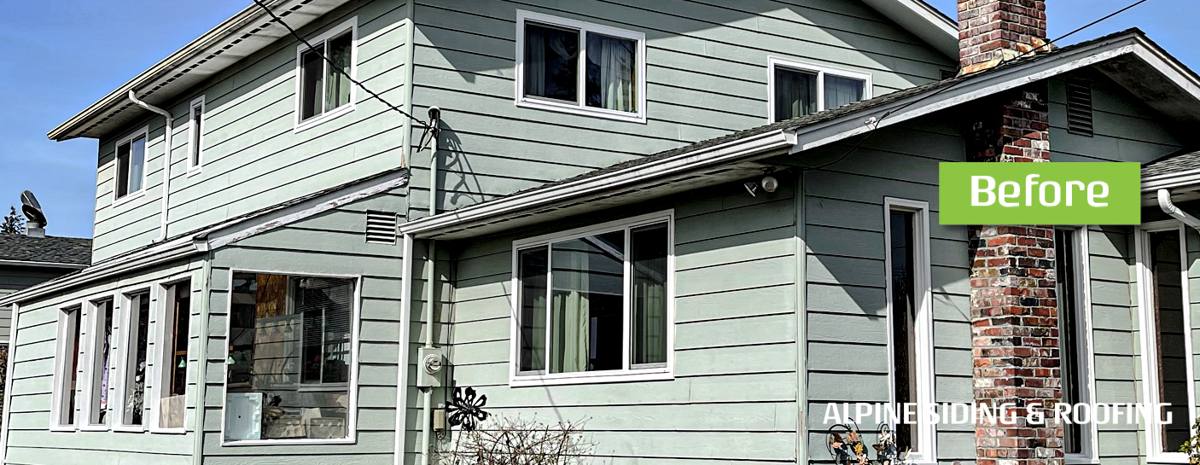
Roofing gets most of the attention, but siding takes a similar beating from wind-driven rain and moisture cycling. In Happy Valley, we see the most wear on siding that faces prevailing weather or sits close to landscaping that keeps it damp longer than it should be. Poorly sealed seams, gaps around trim, and aging caulk are common entry points for moisture that eventually shows up as rot in the sheathing behind the siding — often before it's visible from the outside.
Fiber cement and quality vinyl products both perform well in this climate when installed with correct flashing and drainage details. The installation details — proper house wrap, flashing at windows and doors, and rainscreen gaps where appropriate — matter as much as the siding material itself. We'd rather spend the extra time on those details than have a callback for moisture intrusion two winters from now.
Windows: Sealing Out Wind-Driven Rain
Older single-pane or poorly sealed windows are a common source of drafts and moisture problems in this area, particularly on walls that face the wind off the bay. Beyond comfort and energy costs, failed window seals let moisture into wall cavities, which is a slower but more expensive problem than the window itself. When we replace windows, proper flashing integration with the surrounding siding or trim is just as important as the window unit — a good window installed with poor flashing details will still leak.
Decks Built for Wet Winters
A deck in Happy Valley spends a good part of the year wet, shaded, or both, depending on how the lot is laid out. That means ledger board attachment, proper flashing where the deck meets the house, and drainage underneath the structure all deserve more attention than they would in a drier climate. Composite decking has become popular here because it resists the moisture-driven rot and splintering that untreated or poorly maintained wood decks are prone to, though a well-built and maintained wood deck can still perform well with the right care.
Why a Local Crew Matters for This Kind of Work
A roofing or siding crew that mostly works drier inland climates doesn't always carry the same instincts for flashing details, ventilation, and moss-prone shade patterns that Bellingham and Whatcom County homes need. We work in this weather every week, which means we're not guessing at what holds up here — we're applying what we've already seen play out on roofs and siding jobs across Bellingham neighborhoods, Happy Valley included.
That local familiarity also means we understand the mix of housing stock in this area — from older homes that may need updated flashing and ventilation brought up to current standards, to newer builds where the workmanship just needs to be verified and maintained.
What to Expect From an Inspection
- A full walk of the roof, siding, and any visible trim or flashing points
- Photos and notes on any areas of concern, explained in plain terms
- An honest assessment of what needs attention now versus what can be monitored
- A written estimate with options, not a one-size-fits-all recommendation
- No pressure to sign anything on the spot
Maintenance Habits That Extend the Life of Your Roof and Siding
A lot of the wear we see on Happy Valley homes could have been slowed down with basic seasonal maintenance. It doesn't take much — a few consistent habits go a long way in this climate.
- Clear gutters and downspouts at least twice a year, more often under heavy tree cover
- Trim back branches that overhang the roof to reduce shade and debris buildup
- Address moss growth early, using proper treatment rather than pressure washing
- Check and refresh caulking around windows, trim, and siding seams periodically
- Have your roof inspected after major storms, not just when a leak appears
Getting an Honest Estimate
Every home in Happy Valley faces this climate a little differently depending on tree cover, sun exposure, and how the house sits relative to prevailing wind and rain. Rather than quoting broad numbers that don't apply to your specific roof, siding, windows, or deck, we'd rather come take a look and give you a straightforward assessment of what's actually going on and what your realistic options are.
If you're noticing moss buildup, aging siding, drafty windows, or a deck that's starting to show its age, reach out for a free, no-pressure estimate. There's no obligation, and you'll get a clear, honest read on where things stand.