 Bellingham Roofing
 Exterior Contractors Serving the Puget Neighborhood
Puget sits close enough to the water that homes here deal with a slightly different set of conditions than houses further inland in Whatcom County. Salt-tinged air off the bay, wind-driven rain that finds every gap in flashing and trim, and a moss season that seems to stretch longer every year all put real wear on a roof, siding, windows, and any exposed wood decking. We're a local exterior crew that works this area regularly, and we've built our approach around what actually holds up here rather than what looks good in a brochure from a drier climate.
This page covers how we approach roofing, siding, windows, and decks for Puget-area homes, what to watch for given the local climate, and how to think about scheduling and cost before you call anyone out for an estimate.
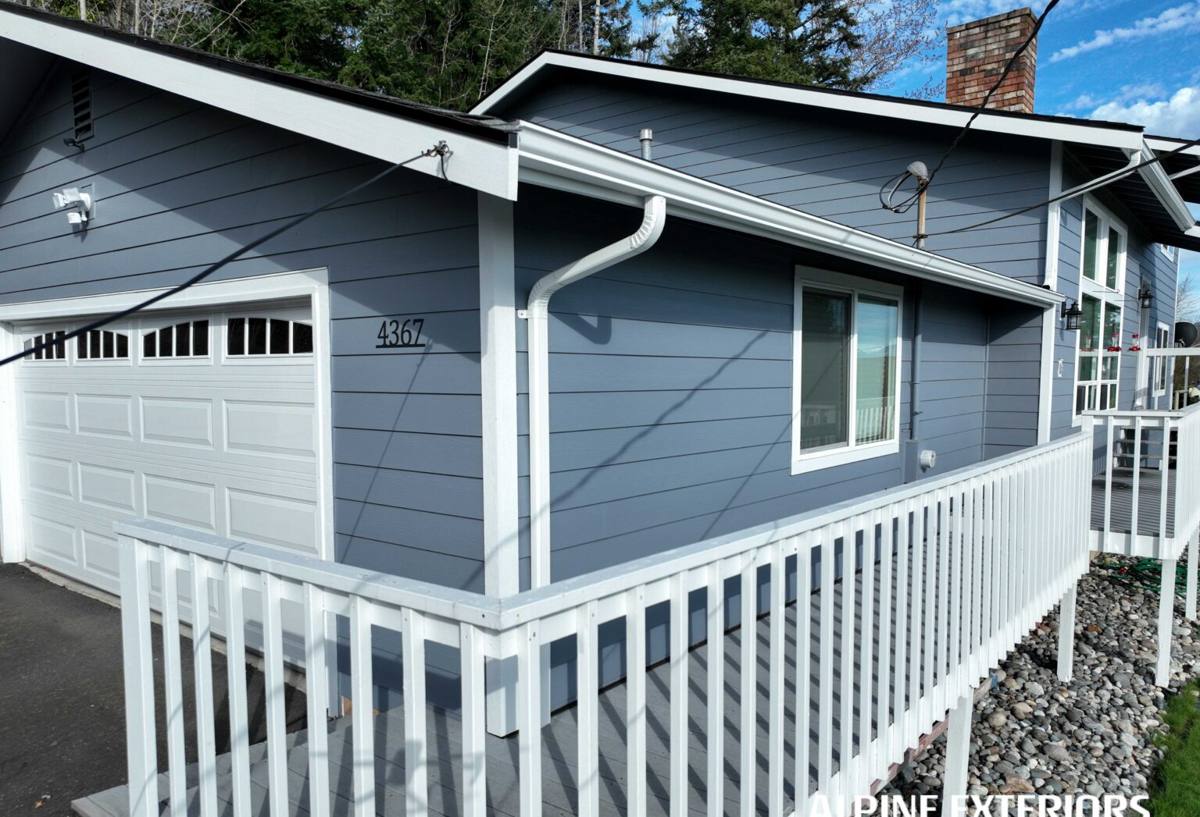
What the Puget Climate Does to a Home
Salt Air and Metal Fatigue
Proximity to Bellingham Bay means airborne salt settles on roofs, gutters, and any exposed metal fasteners or flashing. Over years, that accelerates corrosion on lower-grade metal components, particularly at nail heads, drip edges, and flashing seams. It's rarely dramatic — more a slow degrading that shows up as rust streaking or pitted metal a decade or two into a roof's life. It's a real factor in material selection, not a reason to panic about a roof that's a few years old.
Driving Rain and Wind-Driven Moisture
Whatcom County doesn't just get a lot of rain — a good portion of it comes in sideways off storms moving through the Strait of Georgia and Puget Sound corridor. Wind-driven rain pushes water into places vertical rain never would: under siding laps, behind poorly sealed window trim, and up under shingle tabs at eaves and rakes. Homes in Puget need weather barriers and flashing details that assume rain won't always fall straight down.
Moss, Algae, and a Long Wet Season
Shade from mature trees, combined with a wet season that can run from fall through late spring, gives moss and algae a long window to establish on north-facing roof slopes and shaded siding. Left alone, moss holds moisture against roofing material and can lift shingle edges over time, which is how a moss problem quietly turns into a leak.
Roofing in Puget
Most homes we see in this area are asphalt composition shingle, with a smaller number of metal and cedar roofs mixed in. Our approach to roofing here focuses on three things: proper ventilation to reduce moisture buildup in the attic, flashing details built for driving rain rather than just vertical runoff, and material choices that resist moss and salt-air corrosion better than the cheapest available options.
Roof Replacement
When a roof is past the point of economical repair — widespread granule loss, multiple leak points, soft decking — full replacement is the honest recommendation. We tear off down to the deck, replace any damaged sheathing, and install a complete underlayment and flashing system before the new roofing goes on. We don't shortcut underlayment or flashing to hit a lower number; those details are what separate a roof that lasts from one that leaks in year three.
Roof Repair and Maintenance
Not every roof issue means replacement. Localized leaks, damaged flashing around chimneys or vents, and moss buildup can often be addressed directly. We're upfront when a repair is the right call versus when it's a stopgap on a roof that's genuinely at the end of its life.
Moss Treatment
Moss removal on an active roof needs to be done carefully — aggressive scraping can lift or crack shingles and cause more damage than the moss itself. We use methods aimed at removing growth without stripping granules, and we can talk through preventive treatment options for shaded, moss-prone slopes.
Siding for Puget Homes
Siding takes a direct hit from wind-driven rain in this area, which makes water management behind the siding just as important as the siding material itself. A correctly installed weather-resistant barrier, properly lapped house wrap, and flashing at every window, door, and penetration matter more here than in drier parts of the state — moisture that gets behind siding in a place this wet doesn't dry out quickly.
Material Options
- Fiber cement siding — dense, holds paint well, resists moisture-related swelling and rot better than wood, and stands up reasonably well to salt air over time.
- Vinyl siding — lower upfront cost, low maintenance, though it can become brittle in cold snaps and shows seams more visibly than fiber cement.
- Wood siding — classic look, but in a climate this wet it demands consistent maintenance (recoating, caulking, inspection) to avoid rot, and we're upfront with clients about that ongoing commitment before they choose it.
Why We're Selective About Wood-Adjacent Products
Some engineered wood and composite siding products on the market are more sensitive to installation detail and ongoing moisture exposure than others — gaps in caulking or flashing can let water in behind the panel, and in a wet coastal climate that moisture doesn't get much chance to dry before the next storm arrives. That's a maintenance and moisture-behavior trade-off, not a knock on any specific brand — it's why we're careful about installation sequencing and flashing detail regardless of which siding product a homeowner chooses, and why we'll talk through the maintenance reality of each option honestly before you commit.
Windows
Older single-pane or early dual-pane windows are a common source of both energy loss and moisture problems in the Puget area — condensation between panes, failed seals, and drafts around trim that's shrunk or shifted over the years. Replacement windows here should have solid weatherstripping and flashing details suited to driving rain, not just good glass.
What We Look At During a Window Assessment
- Seal failure (fogging or condensation between panes on dual-pane units)
- Drafts or soft spots in the surrounding trim and sill
- Whether existing flashing ties properly into the siding's weather barrier
- Overall energy performance versus current code-minimum standards
Decks
A deck in Puget spends most of the year wet, shaded, or both, depending on tree cover and orientation. That combination is hard on standard lumber decking — it's where rot and mildew show up first on a lot of homes. We build and repair decks with attention to proper drainage, gapping between boards to let water shed instead of pool, and ledger board flashing that keeps water from wicking into the house structure at the connection point — one of the more common failure points on older decks we inspect.
Why a Local Crew Matters Here
Bellingham and the surrounding Whatcom County coastline aren't generic Pacific Northwest weather — the combination of bay-adjacent salt air, wind-driven rain patterns, and heavy tree cover creates specific wear patterns that differ even from inland parts of the same county. A crew that works this area regularly knows which roof slopes tend to moss out first, which siding details actually hold up to driving rain, and how to sequence work around a wet season that can limit good installation windows. That local pattern recognition is worth more than a generic install checklist.
Cost Factors to Understand Before You Get Estimates
| Factor | Why It Matters in Puget |
|---|---|
| Roof pitch and access | Steeper or harder-to-access roofs take longer and require more safety setup, which affects labor cost |
| Existing moisture damage | Rot or damaged decking/sheathing found during tear-off adds material and labor beyond the base estimate |
| Material grade | Higher-grade materials cost more upfront but generally hold up better to salt air and moss over the long run |
| Tree cover and shade | Heavily shaded homes may benefit from moss-resistant materials or treatments that add modest upfront cost |
| Scope (single project vs. combined) | Combining siding, roofing, or window work in one project can reduce total labor overhead versus separate visits |
We don't publish fixed pricing because every home's condition, access, and scope differ enough that a number without an inspection isn't a real number — it's a guess. What we can promise is a clear, itemized estimate after we've actually looked at the project.
A Practical Checklist for Puget Homeowners
- Check north-facing roof slopes for moss buildup at least once a year, especially under tree cover
- Look at gutters and downspouts after fall leaf drop to prevent water backup at the roofline
- Inspect caulking and trim around windows for gaps before the wet season sets in
- Watch for soft spots or discoloration on deck ledger boards where they meet the house
- Note any rust streaking near roof flashing or fasteners — it's worth a look before it becomes a leak
Getting Started
If you're noticing moss buildup, a draft around older windows, water intrusion on siding, or a deck that's starting to show its age, it's worth having someone take a look before a small issue turns into a bigger repair. We offer free, no-pressure estimates for roofing, siding, windows, and deck work throughout the Puget area — fill out the form below and we'll get in touch to schedule a time that works for you.