 Bellingham Roofing
 Why Birch Bay Siding Has to Work Harder
Birch Bay sits right on the water, and that changes what siding has to deal with compared to a home a few miles inland. Salt-laden air moves off the bay and settles on exterior surfaces year-round, wind carries rain sideways into wall assemblies during winter storms, and the shaded, damp stretches common along the Whatcom County coastline keep moss and algae growing on north- and west-facing walls for much of the year. Any siding product installed here needs to resist moisture intrusion, hold its finish against salt exposure, and shed water instead of trapping it against the wall.
Homes that were sided decades ago, or sided with a product that wasn't suited to this kind of exposure, tend to show it first at the corners, around windows, and along the lower few feet of wall closest to grade and moisture splash-back. That's usually where we find the worst damage when we're called out to look at a failing siding job in this neighborhood.
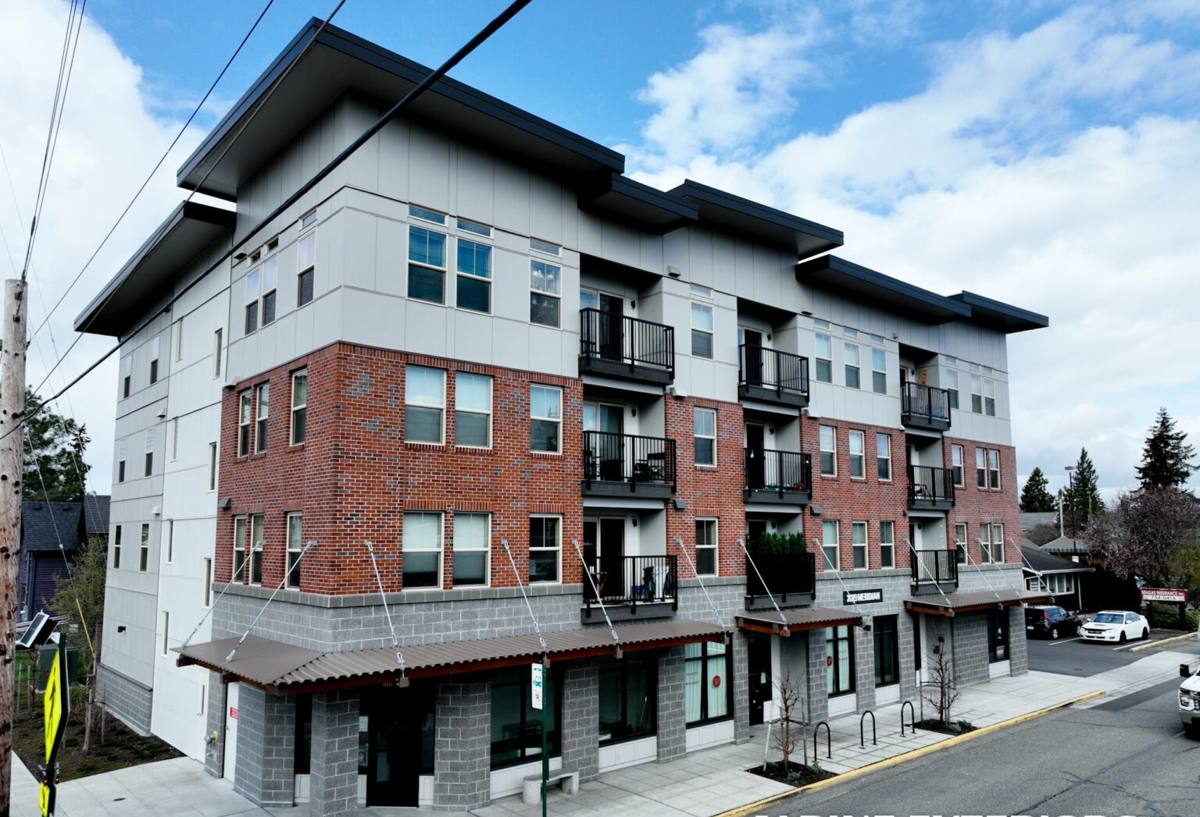
What "Correct" Fiber Cement Siding Actually Involves
Fiber cement siding is only as good as the installation behind it. The board itself is dense, stable, and resistant to moisture damage, rot, and pests — but every one of those advantages depends on the details being done right. A correct install in a marine-exposed area like Birch Bay includes:
Product Selection for the Exposure
James Hardie engineers its products by climate zone under its HardieZone system, and the Pacific Northwest falls under the HZ5 designation — formulated for high-moisture, high-humidity regions. That matters more in a place like Birch Bay than it does a few miles inland, because the product is engineered to resist moisture absorption and cracking under sustained damp conditions rather than just occasional rain.
Water Management Behind the Boards
Siding is the visible layer, not the only layer. Correct installation means a properly lapped weather-resistant barrier, correctly flashed windows, doors, and penetrations, and rainscreen or drainage detailing where the wall assembly calls for it. Skipping this step is the single most common reason siding fails early in wet coastal climates — the boards look fine while water is already getting behind them.
Fastening, Clearances, and Joints
Fiber cement has to be fastened with the correct nail pattern and spacing, held to proper clearances above roofing, decks, and grade, and joined with the right gap and sealant approach at butt joints and trim. Too tight against grade or a roofline, and the board sits in standing moisture. Nailed wrong, and the board can crack or blow off in a coastal windstorm.
Factory-Finished Color
ColorPlus finish is baked on at the factory under controlled conditions, which gives it better fade and moisture resistance than field-applied paint. In a salt-air environment, that finish integrity is what keeps a home looking sharp for years instead of needing a repaint within the first few seasons.
Our Process for Birch Bay Homes
We treat every siding job in this area the same methodical way, because skipping steps is exactly what causes the early failures we get called to fix elsewhere in the region.
- Assessment — We inspect the existing wall assembly, check for hidden moisture damage or rot behind the current siding, and identify problem areas like poor flashing or inadequate clearances before we quote the job.
- Tear-off and wall prep — Old siding comes off, sheathing is inspected and repaired as needed, and any compromised framing is addressed before anything new goes on.
- Weather barrier and flashing — A continuous weather-resistant barrier is installed and properly lapped, with new flashing at every window, door, and penetration.
- Siding installation — HZ5-rated James Hardie boards are installed to manufacturer fastening and clearance specifications, sized and profiled to suit the home.
- Trim and detailing — Corners, trim boards, and joints are finished to shed water rather than collect it, with sealant used only where it belongs, not as a substitute for correct flashing.
- Final walkthrough — We walk the finished job with the homeowner and confirm every detail before we consider it done.
Why We Install Only James Hardie Fiber Cement
We made the decision years ago to install one siding system rather than offer a menu of options, and it comes down to what holds up in this climate. James Hardie's fiber cement is non-combustible, engineered specifically for high-moisture regions through the HZ5 product line, and backed by a strong transferable warranty when installed to the manufacturer's specifications. We've seen enough siding jobs in coastal Whatcom County to know that the product matters less than most homeowners expect and the installation quality matters more — but starting with a product built for this exposure gives every job a better foundation.
What Drives the Cost of a Siding Project Here
Every home is different, but a few factors consistently move the price of a fiber cement siding project up or down in Birch Bay and the surrounding area.
| Factor | Why It Matters |
|---|---|
| Condition of existing sheathing | Hidden rot from prior moisture intrusion means repair work before new siding can go on |
| Home size and wall complexity | More corners, gables, and trim detail mean more labor and material cutting |
| Siding profile chosen | Lap siding, panel systems, and shingle-style products differ in material and install time |
| Water and wind exposure | Waterfront-facing walls often need more careful flashing and clearance work |
| Trim and accent work | Fascia, soffit, and trim board upgrades add to scope but improve long-term water management |
We walk every property before quoting so the estimate reflects the actual condition of the home, not a generic per-square-foot number.
Moss, Mildew, and Ongoing Maintenance
Birch Bay's long moss season is a fact of life for anything shaded or facing away from direct sun. Correctly installed fiber cement siding won't rot or absorb moisture the way older wood-based products can, but moss and mildew can still grow on the surface if it's not periodically rinsed. A soft wash with a garden hose once or twice a year, kept away from high-pressure equipment that can drive water behind trim or under laps, keeps the finish looking clean without damaging the installation. Salt residue from bay air benefits from the same periodic rinse, particularly on walls facing open water.
A Simple Homeowner Checklist
- Rinse siding surfaces once or twice a year, more often on walls facing the water
- Check caulking at trim and joints annually and have gaps resealed before winter rains
- Keep gutters clear so overflow doesn't run down the wall face
- Trim back vegetation and landscaping that keeps siding shaded and damp
- Have any cracked, loose, or discolored boards inspected before small issues become bigger ones
What to Ask Before Hiring a Siding Contractor Here
Not every contractor who installs siding does the water management details correctly, and in a marine climate like this one, that's the part that determines whether the job lasts. Before hiring anyone for a fiber cement project in Birch Bay or the wider Bellingham area, it's worth asking:
- Do they install to the manufacturer's published fastening and clearance specifications, and can they explain what those are?
- What weather-resistant barrier and flashing approach do they use behind the siding?
- Have they worked in waterfront or near-waterfront neighborhoods before, and do they understand the added exposure?
- Is the warranty tied to correct installation, and does it transfer if the home is sold?
- Will they show you the wall condition before covering it back up with new siding?
Why Local Experience in Birch Bay Matters
A crew that already works this stretch of the Whatcom County coastline knows which walls take the worst of the wind-driven rain, how much clearance actually holds up against salt spray and splash-back, and where moss tends to build up fastest. That's the kind of detail that doesn't come from a manufacturer's install manual alone — it comes from having done the work on homes exposed to the same weather, year after year. It's also why we don't treat every Birch Bay job like a standard inland installation; the exposure here calls for more attention to flashing, drainage, and product selection than a sheltered lot a few miles away.
If you're dealing with aging siding, visible moss buildup, or signs of moisture damage on a Birch Bay home, we're happy to take a look and give you an honest read on what's going on. Reach out for a free, no-pressure estimate using the form below — we'll walk the property, explain what we find, and give you a straightforward quote for doing it right.