 Bellingham Roofing
 Siding Repair for Birchwood Homes: Why This Neighborhood Wears Siding Differently
Birchwood sits close enough to Bellingham Bay and the surrounding wetlands that its homes take on a specific mix of weather stress most inland neighborhoods don't deal with in the same combination. Salt-laden air moves in off the water, driving rain comes sideways during fall and winter storms, and the long, damp Whatcom County shoulder seasons keep moss and algae actively growing on north- and west-facing walls for months at a time. None of that is unusual for Bellingham as a whole, but the age and mix of housing stock in Birchwood — a blend of older single-story homes and newer infill — means we see a wide range of siding conditions on a single street. Some homes have never had a siding issue. Others have quietly been taking on water behind the cladding for years without an obvious symptom.
Siding repair done right in this neighborhood isn't just about patching a visible crack or replacing a warped board. It's about understanding what Bellingham's climate does to a wall assembly over time and fixing the actual cause, not just the cosmetic damage on top of it.
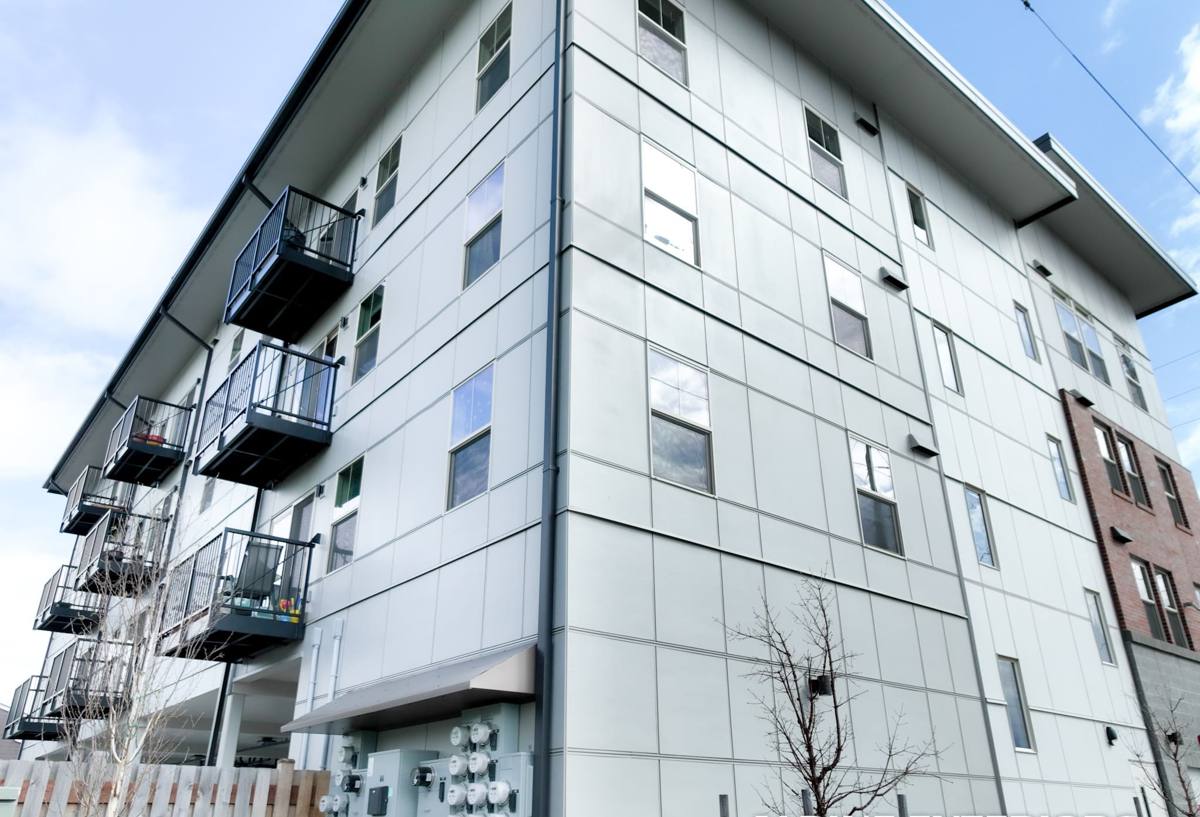
What Salt Air, Rain, and Moss Actually Do to Siding
Salt Air and Moisture
Proximity to the bay means airborne salt settles on exterior surfaces and accelerates the breakdown of caulking, fasteners, and any paint or finish that isn't rated for coastal exposure. Salt also holds moisture against the surface longer than plain rainwater would, which matters a lot for wood-based and composite sidings that rely on a dry surface to resist rot.
Driving Rain
Bellingham's storms frequently come with wind, which pushes rain sideways into laps, seams, and butt joints instead of letting it run straight down and off the wall. Siding that was installed with tight or under-sized gaps, missing flashing, or inadequate weather barrier behind it will let that wind-driven water find its way behind the cladding — where it does damage you can't see until it's advanced.
Moss and Algae
Whatcom County's mild, wet climate supports moss and algae growth nearly year-round on shaded or north-facing walls. Beyond the cosmetic staining, moss holds moisture directly against the siding surface, which speeds up rot in wood-based products and can stain or degrade factory finishes on fiber cement if it's left to grow unchecked for long periods.
Signs a Birchwood Home Needs Siding Repair
Most siding failures don't announce themselves with a hole in the wall. They show up as smaller signals first. If you're seeing any of the following, it's worth having someone look before it becomes a bigger job:
- Soft or spongy spots when you press on the siding, especially near the bottom of walls or below windows
- Visible cracking, buckling, or warping in individual boards or panels
- Paint that's peeling, bubbling, or failing faster than the rest of the house
- Persistent dark streaking or moss growth that comes back quickly after cleaning
- Gaps opening up at seams, corners, or where siding meets trim, windows, or doors
- Musty smells or visible staining on interior walls that share an exterior wall with damaged siding
- Nail pops, loose panels, or sections that flex more than they used to
Any one of these can be minor on its own. Two or three together, especially in the same section of wall, usually mean water has been getting behind the siding for a while.
What a Correct Siding Repair Actually Involves
Diagnosing the Real Problem First
The visible damage is rarely the whole story. Before we replace anything, we pull back enough siding to see what's happening underneath — the weather-resistive barrier, the flashing at windows and penetrations, and the sheathing itself. A board that looks fine from the street can be sitting over sheathing that's already soft. Repairing the surface without addressing what caused the damage just buys you a year or two before the same spot fails again.
Matching Materials the Right Way
If the existing siding is still sound and only a section needs repair, matching profile, reveal, and finish matters more than people expect — a mismatched patch is obvious from the sidewalk and can also create a water path if the overlap isn't right. When a repair area is large enough, or the underlying material has failed in a way that repair won't reliably fix, that's the point where we talk honestly about replacement rather than patching around a problem that will keep resurfacing.
Flashing and Drainage Come First
No siding repair is complete without correcting the flashing and drainage plane behind it. This is the step that gets skipped most often in a rushed patch job, and it's the reason a repair that looks fine for a season fails again the following winter. We install or correct flashing at windows, doors, and any wall penetrations, and make sure the weather barrier laps correctly so water sheds outward instead of pooling behind the cladding.
Repair or Replace? How We Help You Decide
Not every siding problem in Birchwood needs a full re-side, and we're not going to tell you it does. The honest answer depends on how much of the wall is affected, what's causing the damage, and how old and how sound the rest of the siding is.
| Factor | Leans Toward Repair | Leans Toward Replacement |
|---|---|---|
| Extent of damage | Isolated to one or two sections | Spread across multiple walls or elevations |
| Underlying sheathing | Dry and solid | Soft, stained, or rotted in multiple spots |
| Cause of failure | One-time event (impact, isolated flashing gap) | Systemic issue (original install, product-wide wear) |
| Age of existing siding | Mid-life, otherwise performing well | Near or past its expected service life |
| Material match available | Yes, close visual and functional match | No longer manufactured or visibly mismatched |
We'll walk the property with you, explain what we're seeing, and give you a straight recommendation — not the most expensive option by default.
Our Process for a Birchwood Siding Repair
- On-site inspection: We assess the visible damage and probe the areas around it to check for hidden moisture or soft sheathing.
- Written scope and estimate: You get a clear explanation of what's being repaired, why, and what it costs — no vague line items.
- Remove and inspect underneath: Damaged siding comes off, and we confirm the condition of the weather barrier and sheathing before closing anything back up.
- Correct the cause: Flashing, weather barrier, and any rotted sheathing get fixed first — always before new siding goes back on.
- Install and finish: Matching or replacement material goes on with correct fastening, spacing, and sealant appropriate for our climate.
- Final walkthrough: We show you what was found and what was done, so you're not left guessing.
Why We Only Install James Hardie When Replacement Is the Right Call
When a repair area is large enough that patching no longer makes sense, or a section needs to be rebuilt rather than matched, we use James Hardie fiber cement siding — it's the only siding product we install. It's non-combustible, engineered for wet climates like ours through Hardie's HZ5 product line, and its ColorPlus factory finish holds up to years of salt air and rain without the repeated repainting that wood and some composite sidings demand. We've made a standing decision not to install vinyl, LP SmartSide, or primed wood siding on the homes we work on, because in a climate like Bellingham's, those products carry maintenance and moisture trade-offs we're not willing to put our name behind. Hardie isn't the cheapest material on the shelf, but for a section of wall that's going to face another thirty years of Whatcom County winters, it's the one we trust to actually hold up.
Why a Crew That Already Works in Birchwood Matters
Siding repair is a job where local experience actually changes the outcome. A crew that regularly works in Birchwood has already seen how homes in this specific pocket of Bellingham respond to salt air, wind-driven rain, and moss — which walls tend to fail first, which original installation details cause recurring problems, and what a proper fix looks like here versus a drier inland neighborhood. That familiarity means fewer surprises once we open up a wall, a more accurate estimate the first time, and a repair built for the conditions your home actually faces rather than a generic fix.
Keeping Your Siding in Good Shape After the Repair
A good repair should last. A few habits help it go the distance in this climate:
- Rinse moss and algae off shaded walls before it builds up thick enough to hold moisture
- Keep gutters and downspouts clear so water isn't running down the wall face
- Trim back vegetation that keeps siding shaded and damp
- Recaulk seams and trim joints as they age — don't wait for a gap to open all the way
- Have a quick visual check done every couple of years, especially after a hard storm season
If you're seeing early signs of siding trouble on a Birchwood home, or you just want an honest read on whether repair or replacement makes more sense, we're happy to take a look. The estimate is free, there's no pressure, and you'll get a straight answer about what your siding actually needs.