 Bellingham Roofing
 Windows Built for Sehome's Weather, Not Just Its Style
Sehome sits close enough to the water and to Bellingham's tree canopy that its homes take a specific kind of beating: salt-tinged air off Bellingham Bay, wind-driven rain that doesn't fall straight down, and long stretches of gray, damp weather where moss and mildew get a real head start. Windows in this neighborhood aren't just a comfort upgrade or a style refresh. They're one of the largest, most failure-prone openings in your building envelope, and in this climate a poorly installed or poorly chosen window shows its problems fast — soft trim, foggy glass, drafts you can feel sitting on the couch, black streaking under the sill.
We install custom windows for Sehome homes with that reality in mind. That means matching the window unit to the wall assembly, flashing every opening the way Whatcom County's wet-side conditions demand, and being honest with homeowners about which products and details actually hold up here versus which ones just look good on a spec sheet.
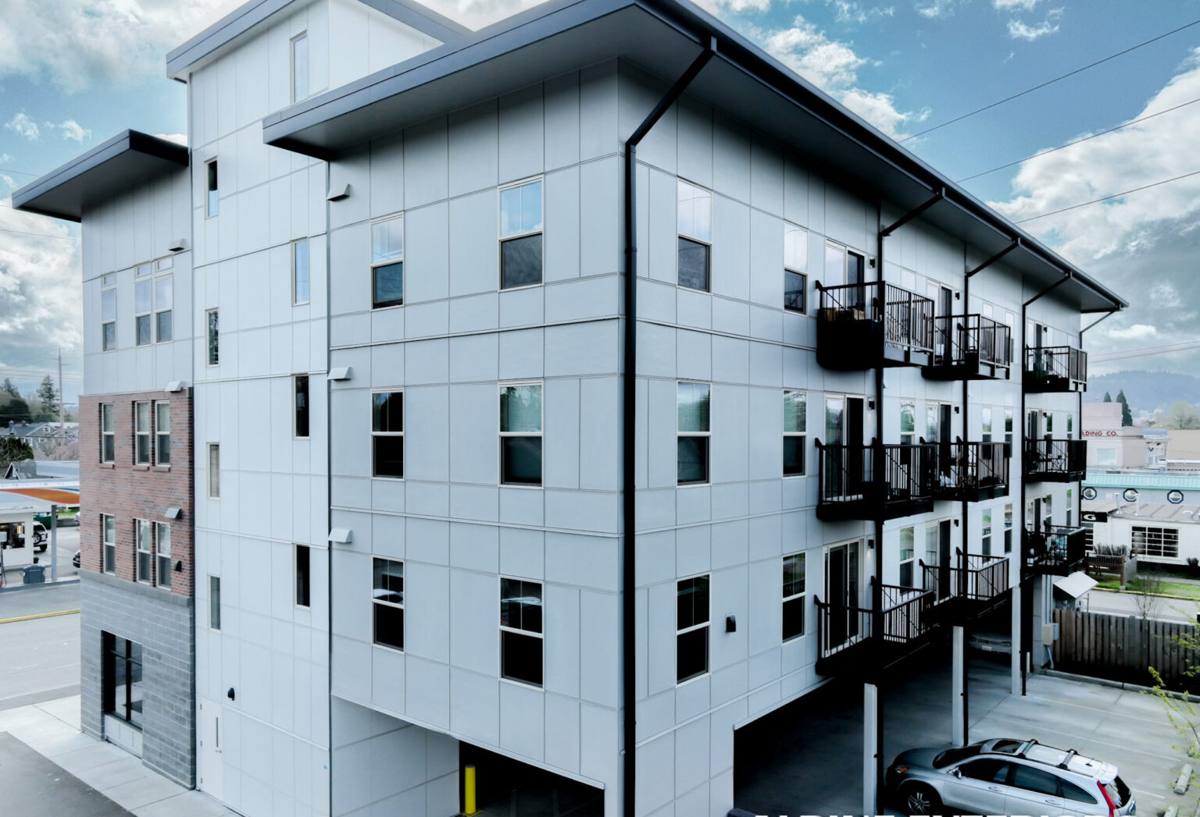
What "Custom" Actually Means on a House Like Yours
Custom windows doesn't mean exotic. Most of the work in Sehome is matching window openings, styles, and proportions to homes that were built in a range of eras and haven't always been touched consistently over the years. Custom sizing and detailing lets us:
- Match existing rough openings without tearing into more siding or trim than necessary
- Correct openings that have gone slightly out of square from decades of settling and moisture cycling
- Match sightlines and grille patterns across a home so replacement windows don't look like an obvious patch job
- Size and select glass packages appropriate to each elevation — a west-facing wall that takes direct driving rain needs different detailing than a sheltered north wall
On many Sehome houses, especially older ones, no two openings are perfectly identical. Custom measurement and fabrication is what keeps the finished look clean and keeps water from finding the gaps that stock, one-size approaches tend to leave behind.
Why Exact Fit Matters More Here Than in Drier Climates
In a dry climate, a slightly loose window opening is mostly an energy problem. In Bellingham, it's a rot problem. Gaps and poor seals give wind-driven rain a path into the wall cavity, and once moisture gets behind siding or trim here, the long damp season doesn't give it much chance to dry out between storms. Getting the fit right the first time isn't a luxury — it's the difference between a window that lasts decades and one that causes hidden framing damage within a few winters.
The Climate Factors We Design Around in Sehome
Salt Air
Proximity to Bellingham Bay means a low but steady level of salt exposure, which accelerates corrosion on lower-grade hardware, fasteners, and some finishes over time. We pay attention to hardware quality and finish durability on window units going into Sehome, not just glass performance.
Driving Rain
Storms off the water tend to push rain sideways into wall assemblies rather than letting it run straight down and off. That means flashing details at the head, sill, and jambs of every window matter as much as the window unit itself. A great window with poor flashing will leak. A modest window with correct flashing generally won't.
Moss and Sustained Dampness
Whatcom County's long wet season keeps humidity elevated for months at a stretch. Moss and algae growth isn't limited to roofs — it shows up on north-facing trim, sills, and anywhere water sits or drains slowly. Window details that shed water quickly and don't create ledges for standing moisture hold up noticeably better here.
How We Approach a Window Replacement Project
- On-site assessment. We look at each opening individually — condition of the existing frame, evidence of past water intrusion, how each elevation is exposed to wind and rain, and what's actually going on behind the trim before we ever recommend a product.
- Product and glass selection. We walk through frame material options, glass packages, and hardware suited to your home's exposure and your budget, without steering you toward whatever's easiest to install.
- Precise measurement and ordering. Custom units are measured to the actual opening, not a nominal size, which is what keeps shimming and gap-filling to a minimum.
- Removal and inspection of the opening. Once the old window is out, we inspect the framing and sill for rot or prior water damage before anything new goes in. This step gets skipped by crews in a hurry, and it's usually where hidden problems are found.
- Correct flashing and sealing. Head flashing, sill pans, and properly lapped weather-resistive barrier integration — done in the sequence that actually sheds water, not just caulked over.
- Installation and air/water seal check. The unit goes in plumb, level, and square, then sealed and insulated around the frame.
- Interior and exterior trim finish. Trim and casing are finished to match the home, and exterior details are checked for anything that could trap moisture against the wall.
Frame Material Comparison for Sehome's Climate
| Frame Material | How It Handles Salt Air & Moisture | Maintenance Burden | Typical Fit |
|---|---|---|---|
| Vinyl | Good corrosion resistance; won't rust or pit | Low — occasional cleaning | Budget-conscious replacements, rental and rental-adjacent properties |
| Fiberglass | Excellent — stable through wet/dry and temperature cycling | Low | Homes wanting long-term durability without wood upkeep |
| Wood (clad exterior) | Good if cladding and flashing details are correct; exposed wood is a liability here | Moderate — interior finish upkeep, exterior is protected by cladding | Historic or traditional-style homes where interior wood look matters |
| Aluminum | Prone to condensation and thermal transfer in a cool, damp climate unless thermally broken | Moderate to high depending on finish | Best limited to sunrooms or specific architectural applications, not general residential use |
We don't push one material as universally "best." The right call depends on your home's style, your budget, and how much upkeep you want to take on. What we won't do is install a frame type in an exposure where we know it performs poorly just because it's cheaper or faster for us — that's a callback and a disappointed homeowner waiting to happen.
Glass and Weatherproofing Details Worth Understanding
Glass package matters as much as frame material in this climate:
- Double vs. triple pane: Double-pane, low-E glass is standard and performs well for most Sehome homes. Triple-pane adds cost and weight but can be worth it on exposed elevations or for homeowners prioritizing sound dampening and maximum efficiency.
- Low-E coatings: Reduce heat loss and help control condensation on interior glass surfaces during cold, damp stretches — a common complaint in older single-pane homes.
- Argon or krypton gas fill: Improves insulating performance between panes; a reasonable upgrade on most replacement projects.
- Sill pan flashing: Arguably the single most important detail for keeping wind-driven rain out of the wall assembly — more important than the glass package itself.
- Weep holes and drainage paths: Must stay clear of debris and moss buildup or water can back up into the frame instead of draining out.
A Simple Pre-Project Checklist for Sehome Homeowners
- Note which rooms feel drafty or where condensation collects on the inside of the glass in winter
- Check exterior trim and sills for soft spots, dark staining, or moss buildup near window openings
- Decide whether matching existing grille patterns and trim style matters to you, or if you're open to a refresh
- Think about which elevations face prevailing wind and rain — those openings deserve the most attention during planning
- Ask any contractor bidding the job to explain their flashing and sill pan approach specifically, not just the window brand
Why a Crew That Already Works in Sehome Matters
Window replacement done wrong doesn't usually fail on day one — it fails two or three winters later, once water has had time to work its way behind trim and siding. A crew that already works regularly in Sehome and around Bellingham has seen which details hold up through actual local winters and which ones look fine on paper but don't survive contact with driving rain off the bay. That's not a substitute for good workmanship on any single job, but it does mean fewer surprises: knowing how older Sehome framing tends to be built, what condition to expect behind existing trim, and which flashing sequences actually perform through a full Whatcom County wet season rather than just passing a same-day inspection.
Local presence also means accountability. If a detail needs a second look after a heavy storm, you're not waiting on a crew that has to drive in from out of the area or that won't be back this way again soon.
Cost Factors to Expect
Every project is different, but the main variables that move price on a Sehome window job are: number of openings, frame material, glass package, whether existing siding or trim needs repair or replacement around the opening, and how much correction the existing rough openings need. Homes with prior water damage around windows will cost more to do right, because that damaged framing needs to be addressed before the new window goes in — patching around rot is not something we'll do, since it just hides a problem that will resurface.
We provide straightforward, itemized estimates so you can see what you're paying for — the window units themselves, the flashing and installation labor, and any incidental repair work uncovered once the old windows come out.
If you're weighing a window replacement or repair project in Sehome, we're happy to take a look and give you a straightforward, no-pressure estimate — just fill out the form below to get started.