 Bellingham Roofing
 Roof Repair for Lynden Homes, Not a Generic Patch Job
Lynden sits inland from Bellingham Bay, but it doesn't escape what Whatcom County weather does to a roof. The same marine air that rolls off the Salish Sea pushes inland across the county, bringing long stretches of driving rain, damp air that never quite dries out, and the kind of moss and moisture pressure that shows up on shaded roof slopes almost every winter. A roof repair out here has to account for all of that, not just patch a hole and hope for the best. We work on roofs across Whatcom County, and Lynden's mix of older farmhouses, newer subdivisions, and everything in between means we've seen how differently a roof ages depending on tree cover, slope orientation, and how it was originally built.
This page is about one thing: what it actually takes to repair a roof correctly in Lynden, and why the details matter more than the price on the estimate.
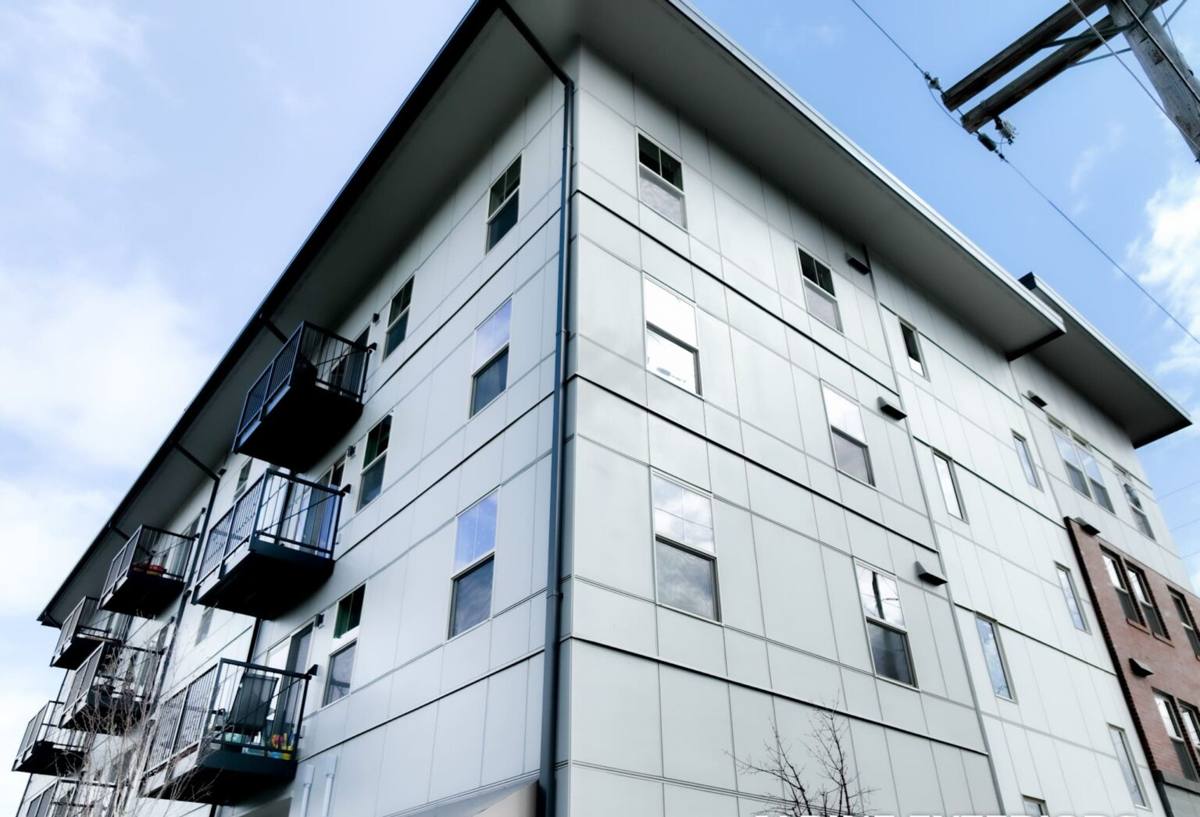
What Actually Wears Down a Lynden Roof
Moss and Organic Growth
Whatcom County's long wet season gives moss months at a time to get established, especially on north-facing slopes and anywhere tree cover keeps a roof shaded and slow to dry. Moss isn't just cosmetic — it lifts shingle edges as it grows, holds moisture against the roofing material, and works its way under tabs and flashing over time. A repair that just scrapes off visible moss without addressing what's underneath usually means calling someone back out within a year or two.
Driving Rain and Wind-Driven Water
Storms moving through Whatcom County often come with sideways rain, not just straight-down rain. That matters because wind-driven water finds its way into gaps that would never leak in a calm downpour — under improperly lapped shingles, around loose flashing, and through nail holes that have backed out over the years. Repairs that don't account for wind direction and water path often "fix" the visible symptom while missing the actual entry point.
Temperature Swings and Material Fatigue
Lynden gets real seasonal swings — cold, damp winters and warmer, drier summers. That expansion and contraction cycle is hard on caulking, sealants, and aging asphalt shingles, which get brittle faster than people expect in this climate. A roof that looked fine at ten years can start showing granule loss and cracked tabs by year fifteen simply from that repeated stress.
Signs a Lynden Roof Needs Repair, Not Just a Look
Some of these are obvious. Others get ignored until they turn into a bigger job. If you're seeing any of the following, it's worth having it looked at before the next stretch of wet weather:
- Dark streaking or thick moss growth, especially on shaded or north-facing slopes
- Granules collecting in gutters or at the base of downspouts
- Curling, cracked, or missing shingle tabs
- Soft spots or sagging when walked (or visibly sagging from the ground)
- Water stains on interior ceilings or upper walls, especially after a windy storm
- Daylight visible through the attic roof deck
- Rusted, lifted, or separated flashing around chimneys, vents, or skylights
- Gutters pulling away from the fascia or overflowing during heavy rain
Any one of these on its own might be minor. Two or three together usually means water has already found a way in, even if it hasn't shown up inside the house yet.
What a Correct Roof Repair Actually Involves
A roof repair done right isn't just replacing what's visibly damaged. It's a short diagnostic process followed by work that matches the roof's existing materials and structure.
Diagnosis Before Any Work Starts
We look at the damaged area, but we also check the surrounding sections, the flashing details, and — when accessible — the attic side of the roof deck. A leak that shows up in one spot on the ceiling doesn't always originate directly above it; water travels along rafters and sheathing before it finds a way through drywall.
Matching Materials, Not Just Covering the Spot
Whenever possible, we match shingle type, color, and exposure to the existing roof so a repair doesn't stand out as an obvious patch. Where an exact match isn't available — which happens on older roofs — we'll talk through the realistic options rather than pretend a mismatch won't be visible.
Flashing and Underlayment, Not Just Shingles
Most leaks that come back after a "repair" trace back to flashing that wasn t properly resealed or underlayment that was skipped to save time. Around chimneys, vents, skylights, and valleys, we replace or reseal flashing as part of the repair rather than shingling over old, failing flashing.
Ventilation Check
Poor attic ventilation accelerates moss growth, traps moisture against the roof deck, and shortens the life of a repair. If we see signs of inadequate airflow while we're up there, we'll flag it — it's often a cheaper fix than people assume, and it protects the repair work from failing early.
Our Repair Process
- Inspection and photos — we walk the roof (weather permitting) and document the damage and its likely cause, not just the symptom.
- Honest estimate — a written estimate that separates what's necessary now from what's worth watching, with no pressure to upsell into a full replacement if repair is genuinely the right call.
- Scheduling around weather — in Whatcom County, that means working with realistic rain windows rather than promising a date we can't guarantee.
- The repair itself — matched materials, proper flashing work, and cleanup of debris and old material.
- Final check — we confirm the repair from both the roof surface and, where accessible, the attic side before calling the job done.
Repair or Replacement? How We Help You Decide
Not every damaged roof needs to come off. But a repair on a roof that's already near the end of its service life is often money that would be better put toward a new roof. Here's how we generally think through it:
| Factor | Leans Toward Repair | Leans Toward Replacement |
|---|---|---|
| Roof age | Well within expected lifespan for the material | At or past typical service life for that roofing type |
| Extent of damage | Isolated to one section or feature (flashing, one slope) | Spread across multiple slopes or recurring in different spots |
| Granule loss / shingle condition | Localized, surrounding shingles still flexible | Widespread brittleness or curling across the roof |
| Decking condition | Solid, no soft spots found | Soft, spongy, or visibly damaged sheathing |
| History of repairs | First repair on this roof | Third or fourth repair to the same area in recent years |
When a roof is genuinely borderline, we'll say so and give you the honest tradeoffs rather than defaulting to whichever job is bigger.
Materials We Work With
Most Lynden repairs involve asphalt composition shingles, since that's what the large majority of homes in the area are roofed with. We also repair and service metal roofing, which has become more common on newer builds and outbuildings, particularly on agricultural and rural properties around Whatcom County.
We're selective about certain low-slope or specialty products in this climate. Anything with a maintenance-heavy profile or moisture-sensitive installation requirements gets a harder look from us before we recommend it for a repair patch, simply because a mismatched or poorly sealed repair on those systems tends to fail faster in a climate this wet. Our standard is to use materials and methods that hold up to repeated wet-dry cycles without requiring more upkeep than a homeowner should reasonably expect.
Why a Crew That Already Works Lynden Matters
A roof repair is only as good as the person doing it understands the conditions it has to survive. A crew that regularly works Whatcom County roofs already knows which slopes hold moss longest, how wind direction during a storm tends to drive water into valleys and flashing, and which shortcuts show up as leaks two winters later. That's the difference between a repair that lasts and one that becomes a recurring service call.
There's also a practical scheduling benefit: a local crew can respond faster when a storm causes damage, and can plan repair work around realistic weather windows instead of guessing at a forecast from somewhere else.
After the Repair: Keeping It From Coming Back
A few simple habits go a long way toward protecting the repair and the rest of the roof:
- Keep gutters clear so water isn't backing up under the roof edge, especially during fall and winter
- Trim back tree limbs that keep a section of roof shaded and slow to dry
- Have moss treated before it gets thick, rather than after it's visibly lifting shingles
- Schedule a roof check after any major windstorm, even if nothing looks obviously wrong from the ground
- Address small leaks early — a small repair now is almost always cheaper than water damage later
If you're dealing with a leak, moss buildup, storm damage, or just want an honest read on what shape your roof is in, we're glad to come take a look. Estimates are free, there's no pressure, and we'll tell you straight whether it's a repair job or something bigger.