 Bellingham Roofing
 Board & Batten Siding, Done Right for Puget
Board and batten is one of the most requested siding styles in Whatcom County right now, and for good reason — the vertical lines and crisp shadow lines give a home a clean, modern-farmhouse look that stands out from the lap siding on most of the block. But the look is only half the job. In Puget, siding sits under a marine climate that includes salt-laden air off the Sound, long stretches of driving rain, and a moss season that can run most of the year in shaded, north-facing spots. A board and batten installation that isn't detailed correctly for that environment will look great for a season or two and then start showing problems at the seams. This page is about what it actually takes to get board and batten right on a Puget home, not just what it costs to have vertical boards nailed to a wall.
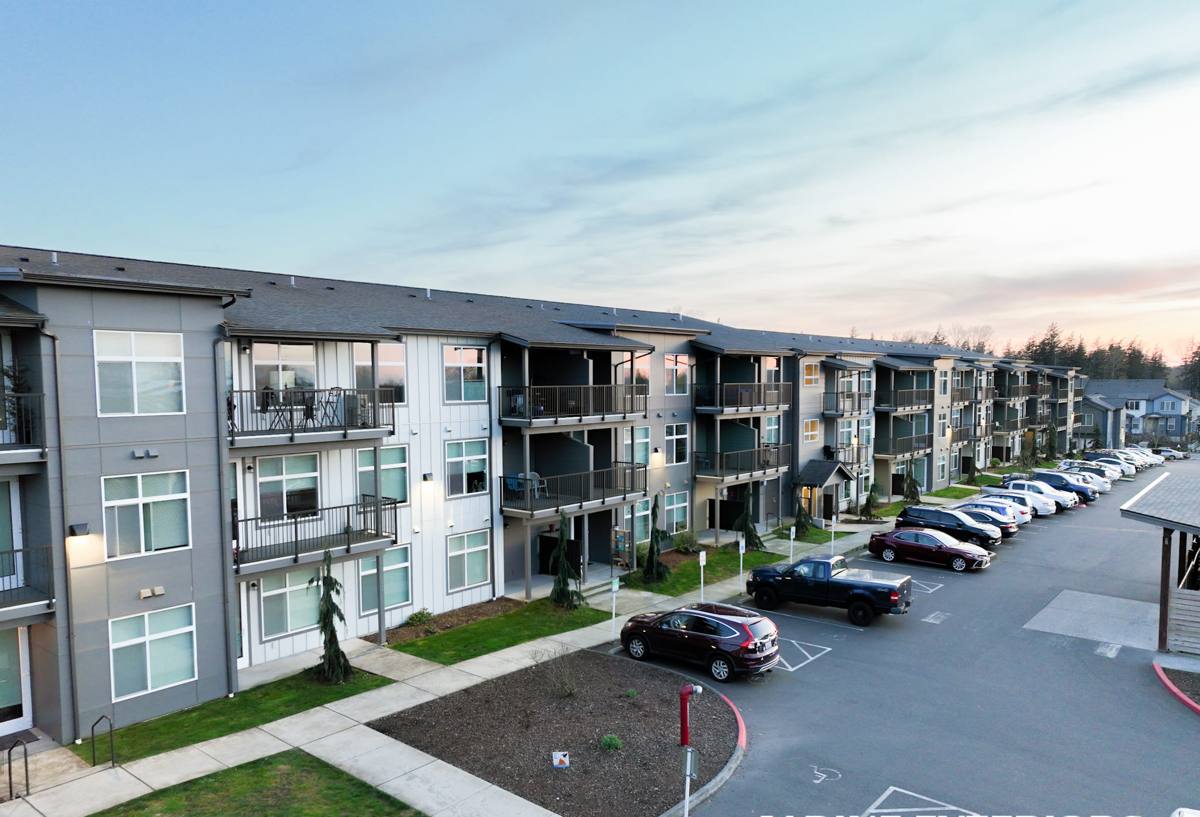
What Makes Board & Batten Different from Lap Siding
Traditional lap siding sheds water by overlapping horizontal boards, gravity doing most of the work. Board and batten is vertical: wide boards or panels are installed first, then narrower battens cover the seams between them. Done well, it creates a strong architectural rhythm and works especially well as an accent — gables, porch surrounds, dormers — or as a full-elevation treatment on farmhouse and craftsman-style homes, both of which are common styles we see around Bellingham.
The trade-off is that every vertical joint is a place water can travel downward if it gets behind the cladding, and there's no natural overlap doing the shedding work for you the way there is with lap siding. That makes the water management layer behind the boards — not the boards themselves — the part of the job that determines whether board and batten holds up in a place like Puget.
Where Board & Batten Works Best
- Gable ends and dormers, paired with lap siding on the main body
- Full-home vertical siding on farmhouse, modern, or craftsman designs
- Porch and entry accents that need visual contrast
- Homes where the owner wants a distinct look from the standard lap siding on neighboring houses
What Puget's Climate Actually Does to Siding
Three conditions drive almost every siding failure we see on homes in this area:
Salt Air
Proximity to the Sound means airborne salt settles on exterior surfaces and accelerates corrosion of fasteners, flashing, and any metal trim that isn't rated for a coastal environment. Over years, corroding fasteners loosen boards and battens, and rust stains bleed through paint film.
Driving Rain
Wind-driven rain in Whatcom County doesn't fall straight down — it gets pushed sideways into wall assemblies, especially on exposed elevations. Vertical board and batten seams are more exposed to this kind of wind-driven moisture than horizontal laps, which is exactly why the drainage plane behind the boards matters so much here.
Moss Season
Shaded, north- and west-facing walls in Puget stay damp for extended stretches, especially under tree cover, which is common in this part of the county. Moss and algae take hold on any siding material that holds moisture at the surface, and once established they hold even more moisture against the substrate — a cycle that rots untreated wood and delaminates lower-grade composite products.
Why We Only Install James Hardie for Board & Batten
We get asked regularly why we don't offer board and batten in vinyl, primed wood, or engineered wood products like LP SmartSide. Each of those has a place in the market, and we're not going to pretend otherwise — but here's our honest reasoning for Puget specifically:
- Vinyl board and batten is affordable and low-maintenance, but it's a thin extruded plastic that expands and contracts with temperature swings, and those vertical battens can visibly warp or bow over time. In a coastal environment with real seasonal swings, that movement shows.
- Primed or raw wood board and batten gives the most traditional look, but real wood is exactly what moss season and driving rain are hardest on — it needs consistent repainting and caulking to keep water out of end grain and seams, and skipped maintenance shows up as rot within a few years in shaded areas.
- LP SmartSide and similar engineered wood products are wood-based composites. They perform better than raw wood but are still an engineered wood product at the core, which means the cut edges and any breach in the factory coating are vulnerable to moisture intrusion — a real risk on wind-driven-rain elevations.
James Hardie fiber cement is non-combustible, doesn't rot, and doesn't feed moss and algae the way wood-based products can. It's engineered specifically for climates like ours — the HZ5 product line is formulated for cold, wet, coastal Pacific Northwest conditions — and the ColorPlus factory finish is baked on rather than field-applied, which matters enormously for vertical battens that take direct weather. That's the whole reason we standardized on one manufacturer instead of offering every option: we'd rather install one system correctly than install several systems and hope they hold up.
Board & Batten Options in the James Hardie Lineup
| System | Look | Best Use on Puget Homes |
|---|---|---|
| HardiePanel vertical siding + battens | Classic wide-board, deep shadow lines | Full-elevation board and batten, farmhouse and craftsman styles |
| Hardie Artisan vertical siding | Smoother, tighter reveal, premium finish | Front elevations and areas viewed up close |
| HardieTrim battens over lap or panel | Accent detailing | Gables, dormers, entry surrounds paired with lap siding |
What a Correct Installation Involves
The panels themselves are only part of the system. On a Puget home, we treat these details as non-negotiable:
- Rain screen gap: furring strips create a drainage and ventilation cavity behind the panels so any moisture that gets past the cladding can drain and dry instead of sitting against the wall sheathing.
- Weather-resistive barrier: a properly lapped and taped water barrier goes on before any furring or panels, sealing the actual structure of the home.
- Flashing at every penetration: windows, doors, hose bibs, and vents all get flashed and integrated with the water barrier — this is where most siding failures actually start, regardless of what material is on the wall.
- Corrosion-resistant fasteners: given the salt air here, we use fasteners rated for coastal exposure, not standard interior-grade hardware.
- Correct batten spacing and fastening: battens are fastened per Hardie's engineering specs so panels can move slightly with temperature and moisture changes without cracking the caulk joints.
- Factory-finished cut edges sealed: any field-cut panel edge gets properly treated so the cut edge doesn't become the weak point in an otherwise sealed system.
Skip any one of these and you can still end up with a board and batten wall that looks correct from the street but fails behind the surface within a handful of winters — which is a common story we hear from Puget homeowners replacing siding that was installed without a rain screen or with the wrong fasteners.
Our Process, Start to Finish
- On-site assessment — we look at your home's exposure, existing siding condition, and which elevations take the worst of the wind-driven rain before recommending a scope.
- Design and product selection — choosing panel style, batten spacing, and ColorPlus color, including where board and batten works as an accent versus a full-elevation treatment.
- Tear-off and inspection — removing existing siding and inspecting sheathing for hidden moisture damage before anything new goes on, which is common enough on older Puget homes that we always budget time for it.
- Water barrier, flashing, and rain screen installation — the unglamorous layer that determines whether the job lasts.
- Panel and batten installation — installed to Hardie's fastening and clearance specifications, not shortcuts.
- Final inspection and walkthrough — checking seams, caulk lines, and trim details with you before we call the job done.
Cost Factors for Board & Batten Projects
| Factor | Why It Affects Price |
|---|---|
| Full elevation vs. accent areas | Whole-home vertical siding costs more than gable or entry accents alone |
| Existing siding removal | Tear-off, disposal, and sheathing repair add labor beyond new-panel installation |
| Wall height and access | Two-story and steep-site homes require more scaffolding and staging time |
| Panel and finish selection | Artisan-line finishes and premium ColorPlus colors run higher than standard panel options |
| Trim and detail complexity | More windows, dormers, and corners mean more flashing and cut work |
We won't quote a project without seeing the home — exposure, existing condition, and layout all move the number too much for a phone estimate to mean anything.
Maintenance: What to Actually Expect
One advantage of fiber cement board and batten over wood or engineered wood alternatives is how little ongoing work it needs. That said, no exterior in a marine climate is maintenance-free:
- Rinse siding periodically to clear salt residue and organic buildup, especially on shaded elevations prone to moss
- Inspect caulk joints at trim and penetrations every year or two and re-caulk if you see cracking or gaps
- Keep gutters clear so overflow doesn't run down and repeatedly soak the same wall section
- Trim back vegetation and tree cover near north-facing walls to reduce the moisture and shade that feed moss
- Address any impact damage promptly — a repaired panel is a quick fix; water intrusion behind an unrepaired one is not
Why a Crew That Already Works Puget Matters
Board and batten performance in this climate comes down to details that don't show up in a brochure — which elevations in this area take the worst wind-driven rain, how much moss pressure a shaded north wall actually sees over a Whatcom County winter, and how coastal salt exposure changes fastener and flashing choices. A crew that installs board and batten across different climates without adjusting for that ends up leaning on generic specs instead of what this specific environment demands. We install one siding system, to one standard, on every home we work on in this area — which means the detailing decisions on your project aren't guesswork.
If you're weighing board and batten for a Puget home, we're happy to walk your property, point out what your specific exposure means for the installation, and give you a straightforward, no-pressure estimate. Use the form below to get started.