 Bellingham Roofing
 Why Sehome's Climate Is Hard on Siding
Sehome sits close enough to Bellingham Bay that salt-laden air is a regular part of the weather, and it shares the same wet, gray stretch of fall and winter that defines Whatcom County. The combination is rougher on exterior siding than most homeowners realize. Salt air accelerates corrosion on fasteners and trim metal, driving rain gets pushed sideways into joints and laps by wind off the water, and the tree cover and shaded lot lines common through this part of Bellingham keep north- and west-facing walls damp long after a storm has passed. That dampness is exactly what moss needs to take hold.
None of this makes Sehome a bad place to own a home — it's a normal Pacific Northwest neighborhood. But it does mean the siding on a Sehome house is doing more work than siding in a drier inland climate, and the material and the installation both need to be matched to that reality rather than treated as an afterthought.
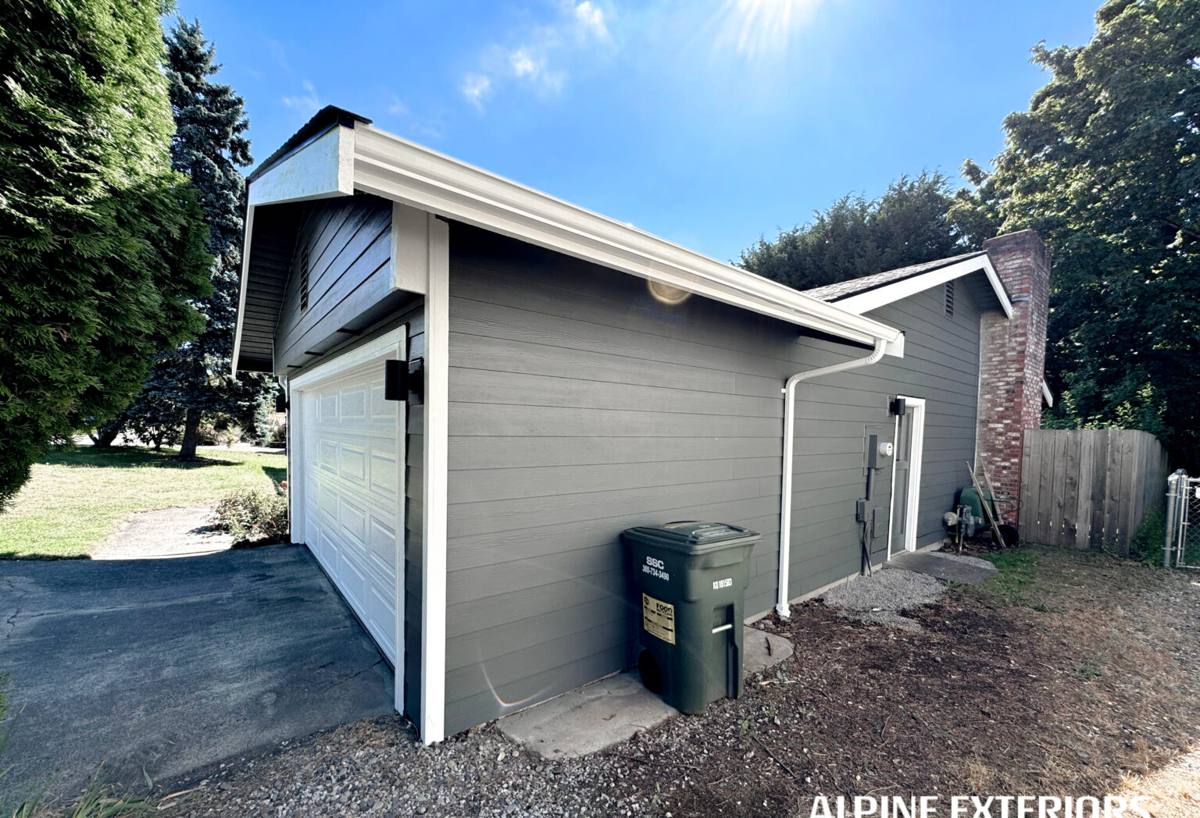
What Local Homes Actually Need From Their Siding
Moisture Management, Not Just Water Resistance
A lot of siding failures in this climate aren't caused by water getting through the siding itself — they're caused by water getting trapped behind it. Wood-based products swell, delaminate, or rot when moisture sits against them for long stretches, which is common during a Whatcom County winter when weeks can go by without a real drying window. The siding, the water-resistive barrier behind it, and the flashing details around windows, doors, and penetrations all have to work together so water sheds out instead of pooling in.
Resistance to Moss, Mildew, and Salt
Fiber cement doesn't feed mold, mildew, or moss the way wood-based siding can, and it doesn't corrode the way some metal-faced products do near salt air. That matters in Sehome specifically, where shaded siding can stay damp for days at a time during the long moss season. Siding that can't handle sustained moisture exposure without breaking down is siding you'll be replacing, patching, or repainting far sooner than you should have to.
Why We Only Install James Hardie Siding
We don't install LP SmartSide, vinyl, Cemplank, Allura, primed spruce, or cedar, and that's a deliberate standard, not a lack of options. Each of those products has legitimate strengths — vinyl is inexpensive, cedar looks great fresh off the wall, engineered wood products install quickly. But in a climate like Bellingham's, they each carry trade-offs we're not willing to put our name behind: wood-based products depend heavily on paint and caulk maintenance to keep moisture out, vinyl can warp and fade and doesn't hold up well to physical impact, and lower-grade fiber cement alternatives don't offer the same factory-cured finish or climate-specific engineering that James Hardie does.
James Hardie is non-combustible, engineered specifically for wet regions through its HZ5 product line, backed by a factory ColorPlus finish that's baked on rather than brushed on, and carries a strong transferable warranty when installed to Hardie's specifications. That's a combination none of the alternatives match as a full package, and it's why it's the only siding we put on a house.
James Hardie Product Lines We Install
| Product | Best Use | Why It Fits Sehome |
|---|---|---|
| HardiePlank lap siding | Most single-family homes | Traditional lap look, engineered for wet climates, wide color range |
| HardiePanel vertical siding | Gables, accent walls, modern facades | Clean vertical lines, sheds driving rain well on steep sections |
| HardieShingle siding | Craftsman and cottage-style homes | Matches older Bellingham neighborhood character without wood's upkeep |
| HardieTrim boards | Corners, window and door trim, fascia | Won't rot or split the way wood trim does under constant moisture |
What Correct Installation Actually Involves
Fiber cement siding is only as good as the details behind it. A rushed or generic installation can undercut everything the material is engineered to do, and in a climate this wet, the mistakes show up faster than they would somewhere drier. A correct James Hardie installation includes:
- A water-resistive barrier installed and lapped correctly behind the siding, not just stapled on as a formality
- Proper flashing at every window, door, and roof-to-wall intersection, since these are the spots where water most often finds a way in
- Manufacturer-specified clearances between siding and roofing, decks, and grade, so wicking moisture doesn't sit against the bottom edge
- Correct fastener type, spacing, and placement — this affects both wind resistance and how the board holds up over decades
- Sealed and caulked joints at butt seams and trim, done with products rated for the exposure the wall actually gets
- Field touch-up matched to ColorPlus finishes only where required, keeping the factory-cured color consistent
Skip any one of these and you can end up with siding that looks fine for a year or two and then starts showing staining, streaking, or soft spots at the seams — problems that trace straight back to the installation, not the product.
Our Process for a Sehome Siding Project
- On-site assessment. We look at the existing siding, sheathing condition, trim, and any trouble spots — areas with visible moss, staining, or soft wood get extra attention.
- Scope and estimate. You get a clear breakdown of what's being replaced, what product lines and colors are being used, and what the job will involve day to day.
- Removal and sheathing check. Old siding comes off and the sheathing underneath gets inspected before anything new goes up — this is the point where hidden moisture damage, if any, gets caught and addressed.
- Water-resistive barrier and flashing. This layer goes in correctly the first time, since it's the part of the wall you won't see again once siding is installed.
- Hardie installation. Boards, panels, or shingles go up to manufacturer spec, with attention to fastening, clearances, and joint treatment.
- Trim and finish work. Corners, trim boards, and caulking are completed and inspected for consistent lines and sealed seams.
- Final walkthrough and cleanup. We walk the finished job with you before we consider it done.
What Drives Cost on a Sehome Siding Job
| Cost Factor | Why It Matters |
|---|---|
| Home size and wall complexity | More square footage and more corners, gables, and dormers mean more material and labor time |
| Tear-off vs. overlay | Full removal of old siding costs more up front but lets us check sheathing condition, which matters in a wet climate |
| Existing moisture damage | Rot or delamination found under old siding needs to be repaired before new siding goes on |
| Product line and profile | Lap, panel, and shingle profiles carry different material and labor costs |
| Color selection | Standard ColorPlus colors versus premium or custom finishes affect material pricing |
| Trim scope | Full trim replacement adds cost but keeps the whole exterior system consistent and durable |
Every Sehome property is a little different, which is why we walk the actual house before giving a number rather than quoting off square footage alone.
Living With Fiber Cement Siding in This Climate
James Hardie siding is low-maintenance compared to wood or vinyl, but "low-maintenance" doesn't mean zero-maintenance, especially with the moss season Whatcom County sees every year. A periodic rinse-down keeps shaded and north-facing walls from developing the buildup that traps moisture longest. Caulked joints and trim seams are worth a visual check once a year, since caulk is the one component that ages faster than the siding itself. Trimming back vegetation and tree branches that keep a wall in constant shade also goes a long way toward keeping moss from getting a foothold in the first place.
Why Hiring a Crew That Already Works in Sehome Matters
Siding installation isn't one-size-fits-all, even within Bellingham. A wall that faces the bay and takes wind-driven rain head-on needs different flashing attention than a sheltered, tree-covered wall a few blocks over that's fighting moss instead of wind. A crew that already works this neighborhood has seen both conditions repeatedly and knows which details to prioritize on a given house rather than applying the same generic approach everywhere. That local familiarity — with the weather patterns, the older housing stock common through Sehome, and the way Bellingham's wet season actually behaves against a wall — is part of what separates a siding job that holds up for decades from one that starts showing problems in year three.
Questions to Ask Before You Hire a Siding Contractor
- Are you a certified James Hardie installer, and can you explain the manufacturer's clearance and flashing specs?
- Will you inspect and document sheathing condition once old siding is removed?
- What water-resistive barrier and flashing products do you use, and why?
- Is your bid a full tear-off, or does it include working around existing damage?
- What does the Hardie product and labor warranty actually cover, and is it transferable?
- Do you carry current licensing and insurance for exterior work in Whatcom County?
If we're a good fit for your home's siding needs, we're glad to walk the property with you and put together a straightforward, no-pressure estimate — just fill out the form below to get started.