 Bellingham Roofing
 Why Silver Beach Windows Wear Differently Than Windows Inland
Silver Beach sits close enough to Bellingham Bay that the air itself is part of the maintenance picture. Salt-laden moisture drifts inland on the wind, settles into window hardware and finishes, and starts working on anything that isn't built or installed to handle it. Add Whatcom County's long, wet fall-through-spring stretch of driving rain, and a low winter sun angle that keeps north and west-facing walls damp for days at a time, and you've got a climate that's genuinely harder on windows than what homes fifteen miles inland deal with. Moss and mildew growth around window trim is common here for the same reason gutters and roofs grow moss — persistent dampness with limited direct sun to dry things out.
None of this means Silver Beach homes need exotic materials or gimmick products. It means the basics — flashing, sealant, frame material, and drainage — have to be done right every time, because there's less margin for a shortcut to go unnoticed. A window that's "close enough" in a drier climate can start showing water intrusion or seal failure within a few seasons here.
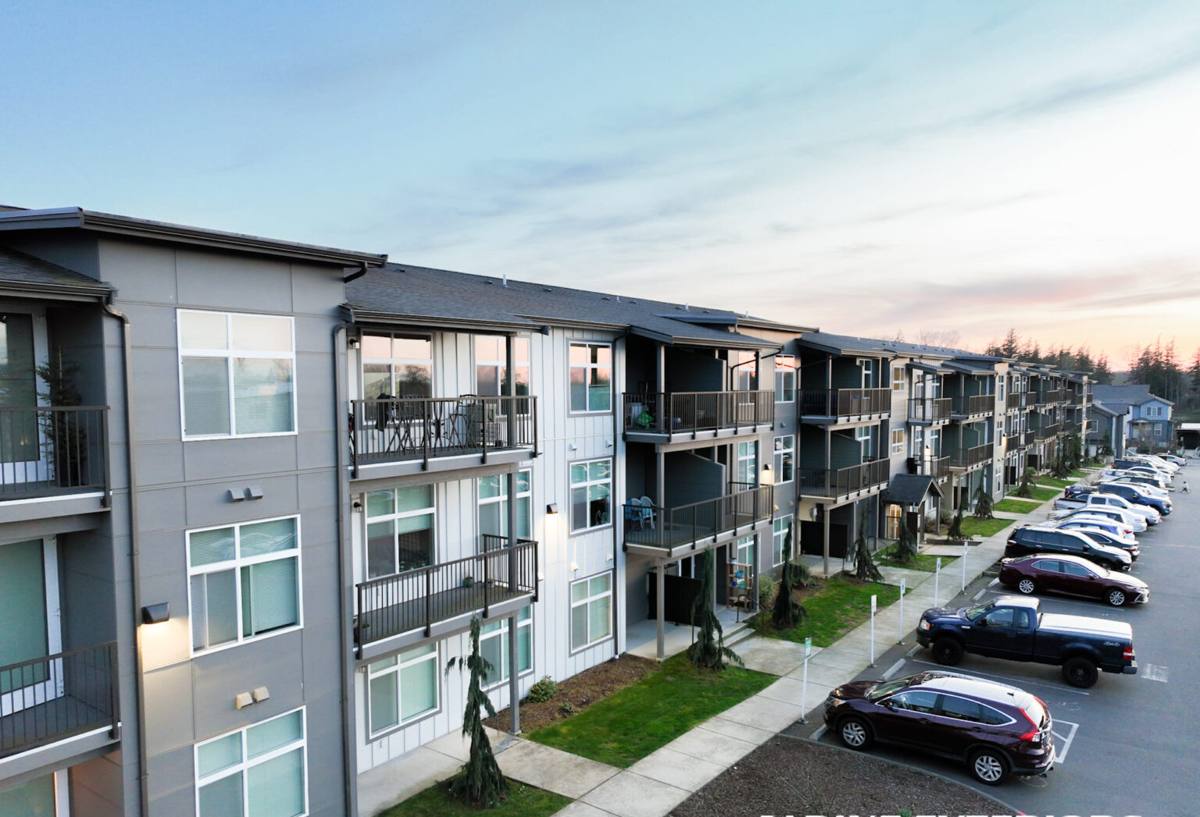
What Salt Air and Driving Rain Actually Do to a Window
It helps to know what you're up against before you decide what to replace it with.
Salt Air
Airborne salt is mildly corrosive to unprotected or poorly coated metal — window hardware, some aluminum frame components, and fasteners are the most exposed. Over years, this can show up as pitting, stiff or sticky locks and cranks, and discoloration around hinges and latches. It's a slow process, but it's constant near the water, and it accelerates on the windward side of a house.
Driving Rain
Bellingham's rain frequently comes in sideways off the water, which puts real pressure on window seals and flashing details that a straight-down rain never tests. A window that would perform fine in a calmer climate can leak here if the flashing isn't lapped correctly or the sill pan isn't sloped to drain outward.
Moss and Persistent Dampness
Wood trim and sills that stay damp for extended periods are prone to moss, mildew staining, and eventually soft or rotting wood if the finish has failed. This is a maintenance issue as much as an installation issue — but it's also a strong argument for frame materials and trim details that don't depend on a perfect paint job to stay dry.
Signs It's Time to Replace, Not Repair
Not every drafty or sticky window needs full replacement. But in a marine climate, certain symptoms usually mean the window's ability to keep water and air out is genuinely compromised, not just cosmetic.
- Visible water staining or soft wood on the interior sill or the exterior trim below the window
- Fogging or a permanent haze between panes of double-glazed glass — a sign the seal has failed
- Frames that have swollen, warped, or no longer close and latch smoothly
- Noticeable draft or cold spot near the window even when it's fully closed and locked
- Paint or finish that's failing repeatedly in the same spot despite recent painting
- Visible corrosion or pitting on hardware, especially on walls facing the water or prevailing wind
- Condensation forming on the interior glass regularly during cold, wet stretches
If you're seeing one or two of these, a repair or reseal might buy time. If you're seeing several, or the same window has been repaired more than once, replacement is usually the more honest answer — both for comfort and for stopping any hidden moisture damage to the wall framing around it.
Choosing a Frame Material for a Marine Climate
There's no single "best" window material for every house — it depends on your home's exposure, your budget, and how much upkeep you want to take on. Here's how the common options actually compare for a Silver Beach setting.
| Material | How It Handles Salt Air & Moisture | Maintenance | Typical Trade-Offs |
|---|---|---|---|
| Vinyl | Doesn't corrode; unaffected by salt air | Low — occasional cleaning | Good value; frame color/style options are more limited than wood or fiberglass |
| Fiberglass | Very stable in moisture and temperature swings; doesn't corrode | Low | Higher upfront cost; excellent long-term performance in wet climates |
| Wood | Attractive, but exterior faces are vulnerable to prolonged dampness and moss if finish isn't maintained | High — repainting/sealing on a regular cycle | Best suited to homes with real weather protection (deep eaves, covered porches) or owners committed to upkeep |
| Wood-clad (wood interior, aluminum or vinyl exterior) | Exterior cladding resists moisture well; hardware is still exposed to salt air | Moderate | Good middle ground — interior warmth of wood, exterior durability of clad material |
| Aluminum | Prone to corrosion and pitting near salt air unless heavily coated | Moderate to high near the water | We generally steer Silver Beach clients away from bare aluminum frames for this reason — it's a maintenance and longevity issue, not an appearance one |
For most homes in this neighborhood, vinyl or fiberglass ends up being the practical choice — both shrug off salt air and driving rain without asking for regular upkeep. Where a homeowner wants a wood look, wood-clad options give you that appearance on the interior while keeping a more moisture-resistant material facing the weather.
What a Correct Installation Actually Involves
The window itself is only part of the job. In a climate like this, the installation details matter as much as the product — a good window installed carelessly will still leak.
Flashing and Drainage
Proper flashing directs any water that gets behind the siding back out, rather than into the wall cavity. This includes a sloped sill pan under the window opening and correctly lapped flashing tape at the head, jambs, and sill, installed in the right order so water always sheds downward and outward.
Sealant, Not Just Caulk
Exterior sealant needs to be applied at the right joints, in the right bead size, with materials rated for exterior exposure and movement — not just a bead of caulk around the trim after the fact. Sealant is a backup to good flashing, not a substitute for it.
Fit and Shimming
A window that's out of square or improperly shimmed will stress the frame, bind the hardware, and can open small gaps that let wind-driven rain in over time. Correct shimming and squaring at install is what keeps the window operating smoothly for years, not just on day one.
Interior Air Sealing
Beyond keeping water out, proper foam or insulation around the frame (not overpacked, which can bow the frame) keeps drafts and moisture-laden air from moving through the wall assembly — a real comfort and energy difference in a house that sees this much wind off the water.
How We Approach a Silver Beach Window Replacement
- Walkthrough and assessment: We look at each window's condition, the home's exposure to wind and rain, and any signs of past water intrusion before recommending anything.
- Straightforward estimate: You get a clear breakdown of material options and pricing — no pressure to upgrade beyond what your home actually needs.
- Remove and inspect: When we pull the old window, we check the framing and sheathing underneath for hidden rot or moisture damage before installing the new unit.
- Install with proper flashing and sealant: Sill pan, flashing, shimming, and sealant done to a consistent standard on every window, not just the ones facing the street.
- Interior and exterior finish: Trim, caulking, and touch-up work done cleanly so the new window looks intentional, not patched in.
- Final walkthrough: We check operation, seals, and cleanup with you before calling the job done.
What Affects the Cost
Every home is different, but these are the main variables that move the price on a window replacement project in this area.
| Factor | Why It Matters |
|---|---|
| Frame material chosen | Vinyl is typically the most budget-friendly; fiberglass and wood-clad cost more upfront but often need less long-term upkeep |
| Number of windows and sizes | Larger openings and specialty shapes (bay, picture, custom) cost more than standard double-hung sizes |
| Condition of the existing framing | Hidden rot or water damage found during removal adds repair work before the new window can go in |
| Wall exposure | Windows on the side of the house facing prevailing wind and rain sometimes warrant extra flashing detail or a higher-performance product |
| Full-frame vs. insert replacement | Full-frame replacement (removing down to the framing) costs more but is often the right call when there's been water damage; insert replacement is faster and less invasive when the existing frame is sound |
We'll walk you through which of these apply to your home during the estimate — there's no reason to pay for full-frame replacement if an insert will do the job right, and no reason to install an insert over damaged framing that needs to be addressed first.
Why Hiring Local Experience Matters for This Job
Window replacement isn't a one-size-fits-all trade, and a crew that mostly works drier inland areas may not think twice about the flashing and drainage details that matter most a few blocks from Bellingham Bay. Working regularly in Silver Beach and similar Whatcom County waterfront-adjacent neighborhoods means knowing which walls take the worst of the weather, which older homes in this area tend to have hidden moisture issues around original window openings, and building in the extra care that salt air and driving rain demand as standard practice — not an upsell.
It also means being upfront when a window doesn't need replacing yet, and being clear about which materials are worth the extra cost for your specific exposure versus which upgrades are just nice-to-haves.
Get a Free, No-Pressure Estimate
If you're seeing drafts, staining, fogged glass, or sticky hardware on your Silver Beach home's windows, it's worth getting a straight assessment before the next wet season sets in. Fill out the form below for a free estimate — we'll take a look, tell you honestly what your windows need, and give you clear options with no pressure either way.