 Bellingham Roofing
 Metal Roofing for Barkley Homes
Barkley sits close enough to Bellingham Bay and the surrounding waterways that homes here deal with a specific mix of weather stress: salt-laden air rolling in off the water, long stretches of driving rain through fall and winter, and shaded, damp conditions that keep moss growing nearly year-round. A roof in this pocket of Whatcom County works harder than a roof in a drier inland climate, and it shows in how fast asphalt shingles wear, how often moss has to be scraped off, and how many roofs we see with soft decking under a layer of algae-stained shingles that still "look fine" from the street.
Metal roofing holds up differently under those conditions when it's specified and installed correctly for this specific area. This page covers what that actually means for a Barkley home — not generic metal roofing marketing, but the real considerations for this neighborhood's exposure, tree cover, and rainfall.
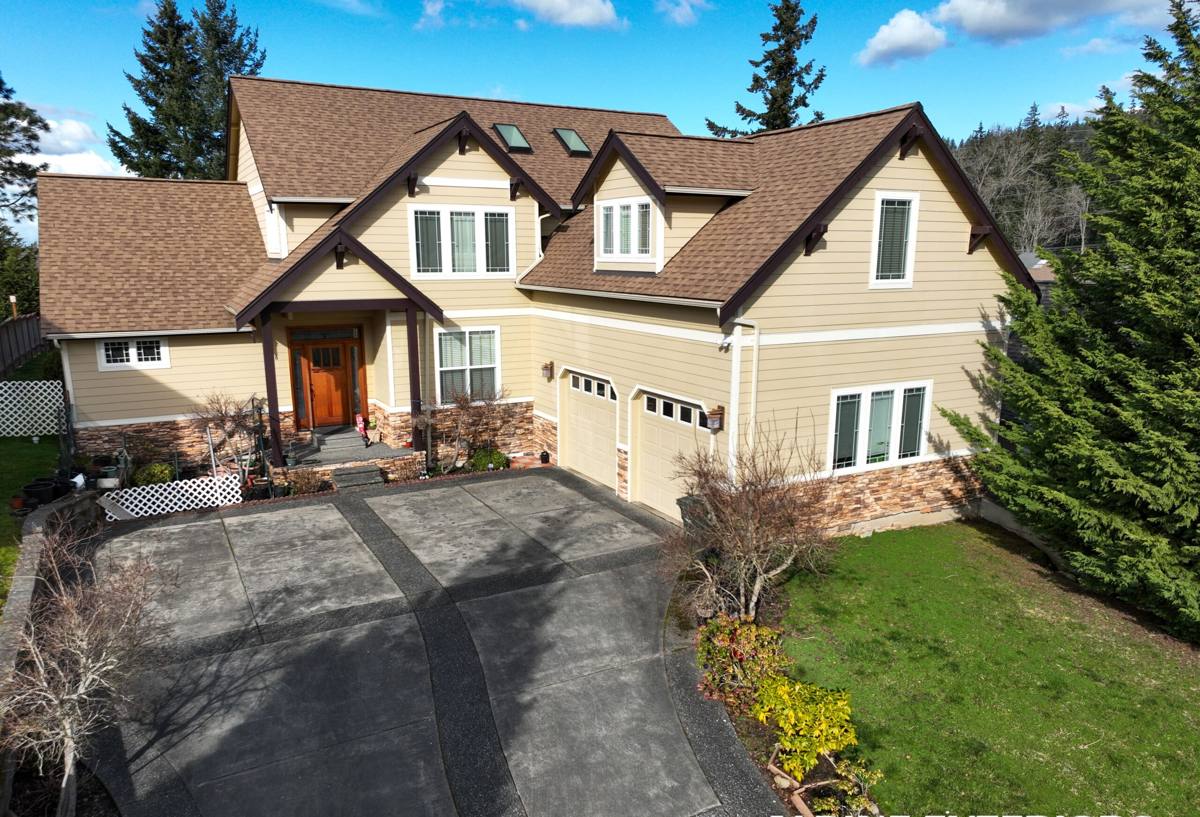
What Bellingham's Climate Does to a Roof Over Time
Three things drive most of the roofing problems we see in and around Barkley:
Salt Air and Moisture
Proximity to the bay means airborne salt and near-constant humidity. On unprotected or poorly coated metal, this accelerates corrosion at cut edges, fastener heads, and anywhere the protective coating has been scratched or worn thin. It's not a reason to avoid metal — it's a reason to be selective about coating quality and finish, and careful about how edges and fasteners are handled during install.
Driving Rain
Storms here don't just fall straight down — wind-driven rain gets pushed sideways under flashing, around vents, and into any gap that a fair-weather installation would get away with. Whatcom County's wet season runs long, so a roof with a marginal flashing detail doesn't just leak once; it leaks every season, and the damage compounds.
Moss and Shade
Mature tree cover in and around Barkley means shaded roof sections that stay damp longer after every rain. Moss and algae take hold fastest on porous, textured surfaces where spores and debris can grip. That's a much bigger problem for shingles than for a smooth metal panel, which gives moss far less to hold onto.
Why Metal Fits This Environment
Metal roofing addresses each of those three stressors more directly than most alternatives, provided it's the right product and the right install:
- A smooth, factory-finished panel sheds water fast and gives moss and algae little surface texture to colonize, which cuts down on the scrub-and-treat cycle common with shingle roofs in shaded yards.
- Properly sealed seams and correctly lapped panels handle wind-driven rain better than a roofing material that depends on gravity and granule adhesion alone.
- A quality coil-coated or PVDF finish is built to resist coastal humidity and salt exposure for decades, not just look good on installation day.
- Metal roofs shed snow and ice cleanly rather than trapping meltwater the way shingles can, which matters during the occasional Whatcom County cold snap.
None of that means metal is maintenance-free or that it's automatically the right call for every home — flat or low-slope sections, homes with tight budgets, or roofs where matching an existing metal system is a factor all change the calculation. Part of our estimate is telling you honestly whether metal is the right fit for your specific roof, not just selling the product.
Panel Types We Install
Not all metal roofing is the same, and the right choice depends on your roof's slope, your budget, and how the panels will be fastened.
| Panel Type | How It's Fastened | Best For | Trade-Offs |
|---|---|---|---|
| Standing seam | Concealed clips, no exposed fasteners on the field of the panel | Main roofs, long-term low-maintenance ownership | Higher upfront cost, needs a skilled crew to install correctly |
| Exposed-fastener panel | Screws driven through the panel face with washered gaskets | Outbuildings, garages, budget-conscious projects | Fasteners need periodic inspection and eventual gasket replacement |
| Metal shingle / shake panel | Interlocking panels mimicking shingle or shake profiles | Homes wanting a traditional look with metal's durability | More seams than standing seam, so detailing at valleys matters more |
For most Barkley homes we recommend standing seam on the primary roof planes. The lack of exposed fasteners removes the most common long-term failure point in a wet, salty climate — a screw gasket that dries out and starts weeping years down the road.
Finish and Coating Matters More Here Than Inland
We steer customers toward panels with a quality PVDF (Kynar-type) or high-grade coil coating rather than the cheapest painted option available. In a coastal-influenced climate, the coating is what actually resists chalking, fading, and edge corrosion over time — it's the single biggest factor in how a metal roof looks and performs at year fifteen versus year two.
What a Correct Metal Roof Install Actually Involves
Metal roofing fails early almost exclusively because of installation shortcuts, not because the material itself is weak. A correct install for this climate includes:
- Full synthetic underlayment as a secondary water barrier beneath the panels, not just felt paper.
- Ice-and-water shield at eaves, valleys, and penetrations where wind-driven rain is most likely to find a way in.
- Proper panel overlap and seam sealing matched to your roof's actual slope and exposure direction.
- Compatible metals and fasteners throughout — mixing incompatible metals (for example, certain fasteners against certain panel alloys) sets up galvanic corrosion that shows up years later as pitting and staining.
- Ventilation that's actually balanced — intake at the eaves and exhaust at the ridge, sized for the attic volume, so moisture doesn't get trapped under the deck.
- Flashing at every transition — chimneys, skylights, sidewalls, valleys — custom-bent to the actual roof geometry rather than pulled off a shelf and forced to fit.
Skipping any one of these is usually invisible on install day and shows up as a leak, a corrosion stain, or a moisture problem two to five years later — right about when it's hardest to trace back to the install.
Our Process
1. On-Site Assessment
We walk the roof, check the decking condition, look at slope and shade patterns specific to your property, and identify problem spots like valleys, low-slope sections, or areas already showing moss buildup.
2. Honest Recommendation
We'll tell you plainly whether metal is the right call for your roof and budget, which panel type fits, and what coating level makes sense given your home's sun and salt exposure.
3. Written Estimate
You get a clear scope of work and price before anything is scheduled — no vague allowances that turn into surprise add-ons mid-project.
4. Tear-Off and Deck Prep
Old roofing comes off, decking is inspected and repaired where needed, and any rot found from long-term moisture exposure gets addressed before a single panel goes down.
5. Install
Underlayment, flashing, and panels go in following the sequence above — this is where a crew's actual experience with metal, not just general roofing experience, shows up.
6. Final Walkthrough and Cleanup
We walk the finished roof with you, check seams and flashing details, and make sure the site is clear of debris and fasteners before we call the job done.
What Metal Roofing Costs to Consider
Metal roofing costs more upfront than asphalt shingles, and the final number depends on several factors specific to your roof rather than a flat per-square-foot rate.
| Factor | Why It Affects Cost |
|---|---|
| Roof complexity | More valleys, dormers, and penetrations mean more custom flashing labor |
| Panel type | Standing seam costs more installed than exposed-fastener panel |
| Coating grade | PVDF finishes cost more than basic painted coatings but last longer in coastal air |
| Decking condition | Rot or soft sheathing found at tear-off adds repair costs before install |
| Roof access | Steep pitches or tight lot access increase labor time |
We won't quote a number without seeing the roof, but we'll always break the estimate down by these factors so you understand what's driving the price, not just a lump sum.
Maintaining a Metal Roof in a Wet, Shaded Climate
Metal roofing needs far less upkeep than shingles, but "less" isn't "none," especially with the tree cover common around Barkley.
- Clear debris — leaves, needles, seed pods — from valleys and around penetrations at least once or twice a year so moisture doesn't sit against the panel.
- Keep gutters clear so water isn't backing up under the drip edge.
- Do a visual check after major windstorms for lifted flashing or displaced debris.
- Trim back branches that overhang the roof to reduce shading, debris load, and physical scuffing of the panel finish.
- Have fastener-type panels inspected periodically, since exposed screw gaskets are the most likely long-term wear point.
Why a Crew That Already Works Barkley Makes a Difference
A roofing crew that regularly works this neighborhood already knows which roof lines catch the worst of the wind-driven rain, which lots hold onto shade and moisture the longest, and how the local building department handles metal roofing permits and inspections. That familiarity shows up in fewer surprises during the job — the right underlayment and flashing details get planned in from the start instead of being figured out on the fly. It also means a shorter distance for a service call if you ever need a follow-up years down the line, which matters with a product meant to last for decades.
Is Metal the Right Choice for Your Barkley Home?
Metal roofing isn't automatically the best answer for every roof. Homes with a lot of low-slope roof area, tight budgets, or a strong preference for a traditional shingle look may be better served by a different material — and we'll say so if that's the honest answer for your property. What metal does especially well is give you a roof that sheds Bellingham's rain fast, resists the moss that thrives in shaded, damp conditions, and stands up to the coastal air around Barkley for a lot longer than a shingle roof will, provided it's installed with the details this climate actually demands.
If you're weighing metal roofing for your Barkley home, we're happy to take a look and give you a straight answer on fit, options, and cost. Use the form below to request a free, no-pressure estimate.