 Bellingham Roofing
 Why Birch Bay Homes Are Hard on Windows
Birch Bay sits right on the water, and that changes what a window has to survive compared to a house a few miles inland. Salt-laden air moves in off the bay and settles on everything it touches, including window frames, hardware, and the caulk lines that are supposed to keep water out. Add wind-driven rain that comes in sideways during winter storms, and long stretches of gray, damp weather that never quite dry out, and you have a climate that tests window seals and frame materials harder than most parts of Whatcom County.
Then there's moss and mildew season, which in this part of Washington can stretch from late fall through spring. Constant moisture in the air and shaded exposures on the north and west sides of a house create the right conditions for mildew to creep into worn caulk joints, wood sills, and old weatherstripping. None of this means Birch Bay homes need exotic solutions — it means the details of the installation and the materials chosen have to match the actual conditions, not just whatever is cheapest at the supply house.
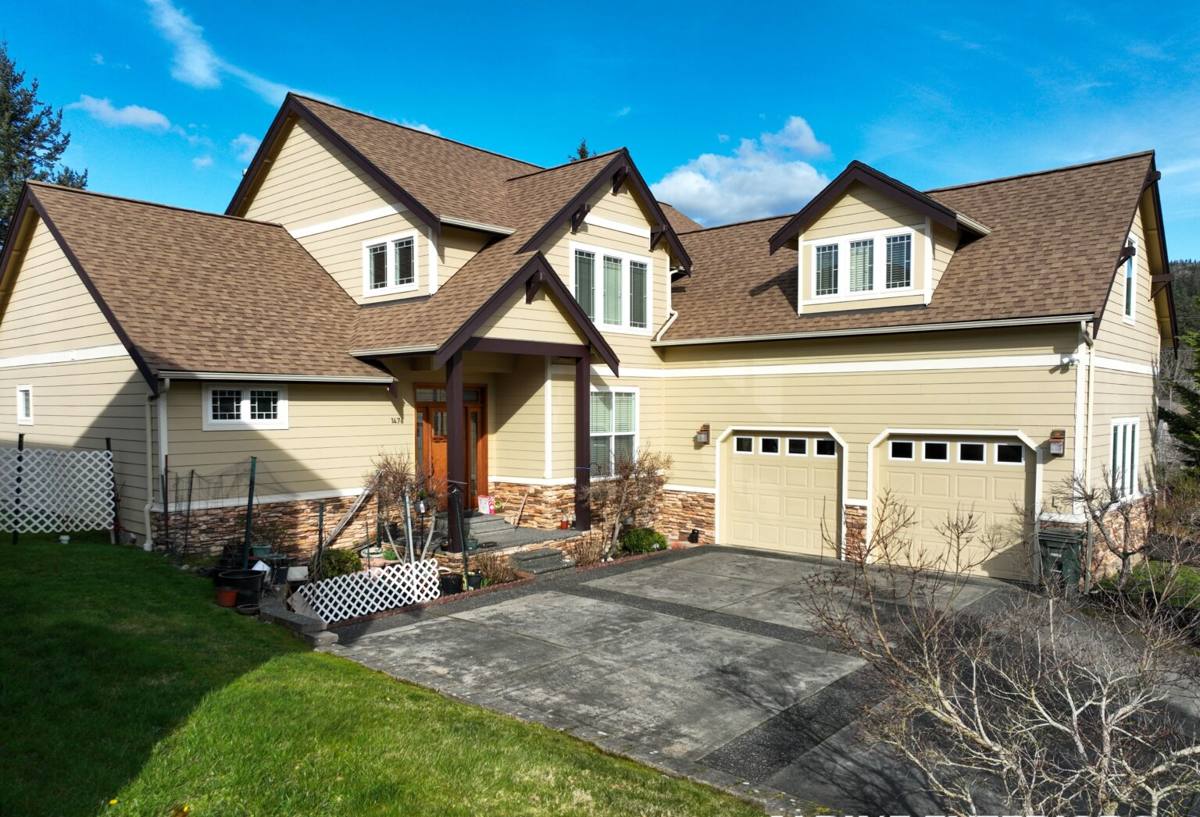
Signs a Birch Bay Home Needs Window Replacement
Windows rarely fail all at once. Usually there are warning signs for a year or two before a homeowner decides to do something about it. In a coastal, high-moisture environment like Birch Bay, watch for these specifically:
- Fogging or a permanent haze between the panes — the seal on the insulated glass unit has failed and moisture is trapped inside
- Soft or discolored wood at the sill or bottom corners of the frame, especially on windows facing the water or prevailing wind
- Difficulty opening, closing, or locking a window that used to operate smoothly
- Visible corrosion or pitting on hardware, hinges, or aluminum frames
- A noticeable draft or cold spot near the window even when it's fully closed
- Paint or caulk that keeps cracking and peeling no matter how often it's touched up
- Higher heating bills in winter without any other obvious cause
Any one of these on its own might just mean a repair or a re-caulk. Several of them together, especially on a home that's fifteen-plus years old, usually means the windows have reached the end of their useful life and repairs are just buying a little time.
What a Correct Window Replacement Job Actually Involves
Window replacement looks simple from the outside — old window out, new window in — but the parts nobody sees are what determine whether it holds up in this climate. There are two basic approaches, and which one is right depends on the condition of the existing frame.
Full-Frame Replacement
This removes the window down to the rough opening, including the old frame, so the installer can inspect the framing lumber and sheathing underneath. In a coastal environment, this matters because it's often the only way to catch hidden water damage before it spreads further. Full-frame replacement allows for proper flashing and a continuous moisture barrier to be installed correctly, which is the single biggest factor in whether a window stays watertight for the next twenty years.
Insert (Pocket) Replacement
This installs a new window inside the existing frame, leaving the old frame and exterior trim in place. It's faster and less invasive, and it's a reasonable choice when the existing frame is still sound and dry. The trade-off is that any hidden rot or a compromised moisture barrier behind the old frame stays hidden. We only recommend insert replacement after confirming the surrounding frame is actually in good condition — not just because it's the quicker option.
The Details That Actually Matter
Regardless of which method fits a given window, the job comes down to a handful of details done right: proper flashing tape sequencing so water sheds outward and down, not into the wall cavity; a continuous bead of quality exterior sealant around the frame; correct shimming so the window is plumb, level, and square (a racked frame stresses the glass seal and shortens its life); and insulation in the gap between the frame and the rough opening so there's no air path straight through the wall. Skipping any one of these is how a brand-new window ends up leaking within a few years.
Choosing Frame Materials for a Coastal Whatcom County Home
Frame material matters more here than in a drier, inland climate because it has to hold up to salt exposure and constant moisture, not just temperature swings. There's no single "best" material for every home — it depends on the home's exposure, style, and budget.
| Frame Material | Salt Air / Moisture Performance | Maintenance | Typical Fit |
|---|---|---|---|
| Vinyl | Good — won't corrode or rot, though hardware quality varies by manufacturer | Low; occasional cleaning | Most Birch Bay homes; strong value |
| Fiberglass | Excellent — very stable in moisture and temperature swings, resists warping | Low | Higher-exposure locations, long-term durability priority |
| Wood-Clad | Fair to good — the cladding protects the exterior, but any breach exposes wood to rot | Higher; joints and cladding seams need monitoring | Homes prioritizing an interior wood look |
| Aluminum | Poor to fair near salt water without marine-grade coatings — prone to pitting and corrosion | Moderate to high | Generally avoided for direct water-facing exposures here |
For homes with direct or near-direct exposure to the bay, we steer most homeowners toward vinyl or fiberglass because both shrug off salt air and driving rain without the ongoing maintenance that wood-clad or standard aluminum frames demand. That's a maintenance and moisture-behavior judgment based on how these materials perform in coastal conditions — not a knock on any manufacturer.
Glazing and Weatherproofing Choices That Make Sense Here
Beyond the frame, the glass package and weatherstripping do a lot of the work against wind-driven rain and temperature swings off the water. Dual-pane, low-E glass is the standard baseline for this climate and handles the vast majority of Birch Bay homes well. Argon-filled units add a modest efficiency boost. Good compression-style weatherstripping around the sash, paired with a well-adjusted lock mechanism, is what actually keeps wind-driven rain from finding its way in during a winter storm — a window can have great glass and still leak air and water if the weatherstripping is cheap or poorly fitted.
Our Process, Start to Finish
- On-site assessment — we look at every window being considered, check for hidden moisture or frame damage, and note each opening's exposure to wind and water
- Honest recommendation — we tell you which windows genuinely need replacing now, which can wait, and which method (full-frame or insert) fits each opening
- Clear, written estimate — material options, install method, and total cost, with no vague allowances
- Scheduling around the weather — we work openings in a sequence that limits how long any wall is exposed, and we plan around forecasted rain rather than fighting it
- Installation — removal, frame inspection, flashing and moisture barrier work, setting the new window plumb and square, sealing, and finish trim
- Final walkthrough — every window operated, checked, and confirmed sealed before we call the job done
Why Hiring a Crew That Already Works Birch Bay Matters
Window replacement in a coastal, high-moisture area rewards experience with that specific set of conditions. A crew that regularly works Birch Bay and the surrounding Bellingham area already knows how far salt exposure typically extends inland from the water, which sealant and flashing products hold up under repeated wet-dry cycling, and how to sequence a job around a Pacific Northwest winter instead of getting caught with an open wall during a rainstorm. That's the difference between a window that's still performing well in fifteen years and one that starts leaking in three.
There's also a practical side to working locally: fewer scheduling gaps caused by long drive times, faster response if a question comes up after installation, and a crew that's accountable to the same community it works in.
What Window Replacement Typically Costs — and What Drives the Price
Every home is different, and pricing depends on the specifics, but the factors below are what generally move the number up or down. Broad ranges only — your written estimate will reflect your actual home and windows.
| Factor | How It Affects Cost |
|---|---|
| Installation method | Full-frame replacement costs more than insert replacement due to added labor and trim work, but it's often the right call when hidden damage is a risk |
| Frame material | Vinyl is typically the most budget-friendly; fiberglass and wood-clad options cost more upfront |
| Window size and type | Large picture windows, bay windows, or custom shapes cost more than standard double-hung or slider sizes |
| Number of openings | Replacing all windows in one project is usually more cost-effective per window than doing them a few at a time |
| Condition of the existing frame | Hidden rot or water damage found during removal adds repair work beyond the base window cost |
| Trim and finish work | Matching existing interior or exterior trim profiles adds labor over a simple like-for-like swap |
Living With New Windows in a Salt Air, Moss-Prone Climate
Even a well-installed window benefits from a little seasonal attention here. A quick rinse of exterior frames a couple of times a year cuts down on salt buildup before it can work into hardware and seals. Checking exterior caulk lines each fall, ahead of the wet season, catches small cracks before they let water behind the trim. Keeping gutters and downspouts clear helps prevent water from sheeting down across upper windows during heavy rain. None of this is a lot of work, but it's the kind of small maintenance that noticeably extends how long a window performs the way it should in this climate.
If you're seeing drafts, fogged glass, or stuck sashes on windows facing the water, or you're just planning ahead for a Birch Bay home that's due for an upgrade, we're happy to take a look and give you a straightforward, no-pressure estimate — no scare tactics, just an honest read on what your windows actually need.