 Bellingham Roofing
 New-Construction Windows Built for Birchwood's Climate
Birchwood is one of Bellingham's established residential areas, close enough to Bellingham Bay and shaded enough by mature tree cover that new homes here deal with a specific mix of conditions: salt-laden air, wind-driven rain, and long stretches of shade that keep everything damp longer than homeowners expect. When you're building new, the window installation is one of the few points in the process where you can get moisture management right before the siding closes everything up for good.
New-construction window work is a different job than swapping out an old window. There's no failed unit to remove or old flashing to work around, but that also means there's no margin for error. Whatever gets built into that rough opening — the flashing, the sealant, the way the window ties into the weather-resistive barrier — is what will be behind the trim and siding for the life of the house.
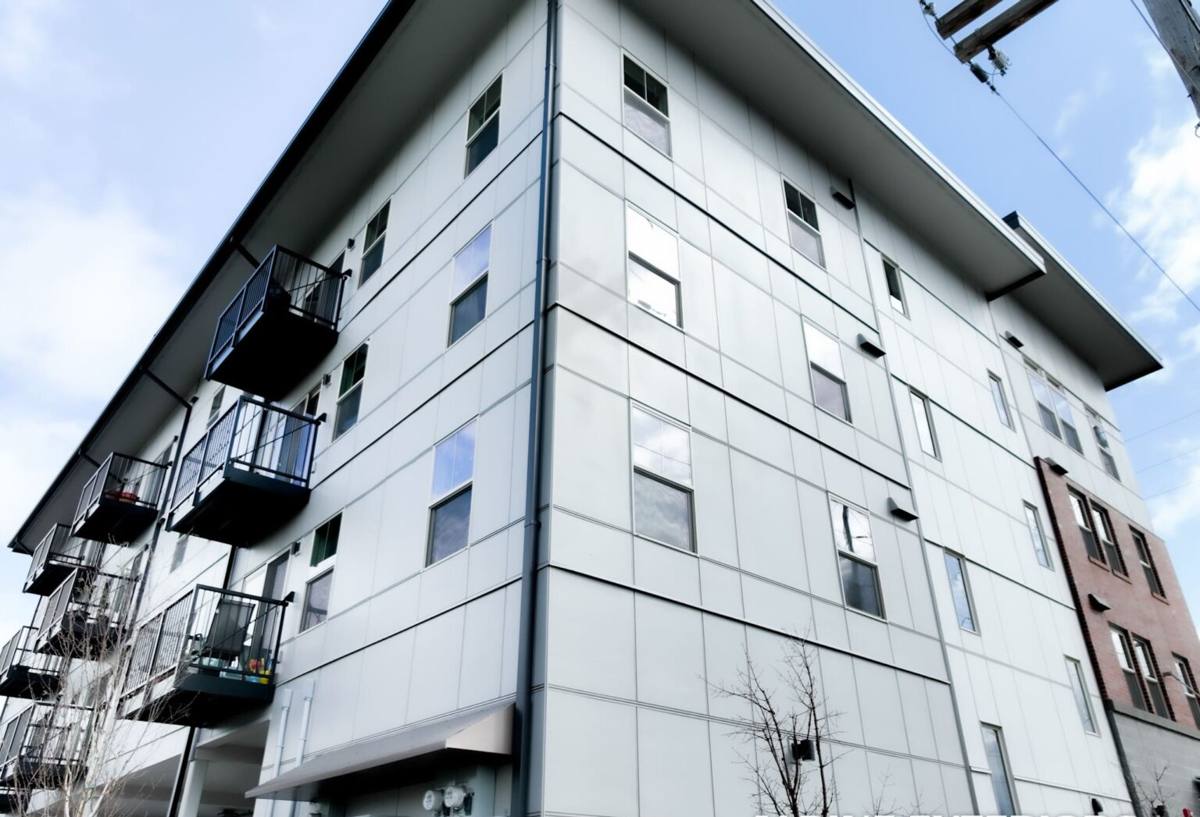
New Construction vs. Replacement: Why the Approach Changes
New-construction windows typically use a nailing fin (also called a flange) that gets fastened directly to the sheathing and integrated with the house wrap and flashing tape during framing. Replacement windows, by contrast, usually get set into an existing frame without disturbing the exterior finish. That difference changes everything about sequencing: a new-construction install has to happen at a specific point in the build schedule, coordinated with the framer, the house wrap installer, and the siding crew.
If that sequencing gets rushed — windows set before the weather-resistive barrier is properly lapped, or trim closed up before flashing is fully integrated — the result isn't usually an obvious leak on day one. It's a slow moisture problem behind the siding that doesn't show up until there's rot or mold, years down the road. Getting the order of operations right matters more on a new build than almost any other part of the exterior.
What Salt Air, Driving Rain, and Moss Season Do to a New Window Install
Salt Air and Coastal Corrosion
Homes in and around Birchwood sit close enough to Bellingham Bay that salt-laden air is a real factor over the life of a window installation, not just a coastal talking point. Cheap or uncoated fasteners, bargain-grade flashing, and low-end hardware corrode faster near the water. We spec corrosion-resistant fasteners and flashing materials on new builds in this area as a standard, not an upgrade.
Wind-Driven Rain and Flashing
Storms coming off the Salish Sea don't just drop rain straight down — they push it sideways into wall assemblies, which is exactly the condition window flashing is designed to handle. Head flashing, sill pans, and side flashing all need to shed water outward and downward on their own. Caulk should be a backup layer, never the primary defense, because sealant alone fails long before a properly lapped flashing system does.
Moss, Shade, and Prolonged Dampness
A lot of Birchwood lots carry mature tree cover, which is part of what makes the neighborhood attractive — but that same shade keeps siding, trim, and window sills damp far longer after a storm than a home in full sun. Moss and algae take hold in shaded corners, including window sills and trim ledges, and they hold moisture against wood longer if the detailing underneath isn't sealed and back-primed correctly. The fix isn't a different window — it's making sure water has somewhere to go and nothing to sit against.
Choosing the Right Window Material and Glass Package
Material choice matters more in a marine climate than it does further inland, mostly because of how each frame material handles sustained moisture and, closer to the water, salt exposure over decades.
| Frame Material | Moisture & Salt-Air Resistance | Maintenance | Typical Installed Cost Range* | Best Fit |
|---|---|---|---|---|
| Vinyl | Good — won't corrode or rot | Low | $$ | Most Birchwood new builds; solid value |
| Fiberglass | Very good — dimensionally stable, resists warping | Low | $$$ | Larger openings, exposed elevations |
| Wood-clad (vinyl or aluminum exterior) | Good on the exterior face; interior wood needs care | Moderate | $$$$ | Homeowners wanting a wood interior look |
| Aluminum | Fair — can corrode near salt air without proper coating | Moderate | $$ | Limited use; usually not our first recommendation this close to the bay |
*Cost ranges are broad and depend heavily on window size, glass package, quantity, and grille or hardware options. We'll give you real numbers once we've looked at your plans.
On glass, double-pane with a low-E coating and argon fill is the standard baseline for new construction in this region, and it's what Washington's energy code expects at minimum. Triple-pane adds cost and weight for a modest gain in insulation value — worth discussing for north-facing rooms or homes prioritizing energy performance, but not something every Birchwood build needs.
How We Install New-Construction Windows
- Verify the rough opening against the window's manufacturer specifications and the plans before anything is set.
- Install a sloped sill pan flashing first, so any water that gets past the window has a built-in path back outside.
- Set the window plumb, level, and square, and fasten it per the manufacturer's exact schedule — not a generalized approach.
- Integrate flashing tape with the house wrap in a shingle-lap sequence: sill, then jambs, then head, so every layer sheds onto the one below it.
- Apply backer rod and sealant only where the manufacturer calls for it — not as a substitute for proper flashing.
- Install interior and exterior trim per the plan, with wood trim back-primed before it goes up.
- Do a final check of every opening before siding closes it up, since this is the last point anyone will see that assembly for years.
The Details That Make or Break a New-Construction Window Job
Most window failures we're called out to inspect on newer homes trace back to a handful of avoidable details, not the window unit itself. Sill pans that weren't sloped to drain. Flashing tape applied out of shingle-lap order, so water gets directed behind the barrier instead of over it. Corners that relied on cut-and-patched tape instead of a formed or properly layered corner detail. Weep holes left blocked by trim or sealant. Fasteners driven at the wrong spacing or angle, leaving gaps at the nailing fin.
None of these show up in a walkthrough. They show up years later, usually as a soft spot in trim or a stain on an interior sill, by which point the fix involves opening up finished wall assembly instead of a five-minute correction during install. This is why we treat the flashing and integration sequence as the actual job, with the window itself being the easy part.
Energy Code and Performance in Whatcom County
Washington's state energy code sets a minimum U-factor for new-construction windows, and it's not optional — your framer or general contractor will need documentation that the glazing meets code before inspection sign-off. In a cooler, wet climate like Whatcom County's, the priority is usually heat retention rather than blocking solar gain, which is the opposite emphasis you'd see in a hot, sunny market. Low-E coatings tuned for heat retention and solid U-factor performance matter more here than high solar heat gain coefficient control.
Condensation resistance is also worth asking about. Homes with a lot of shade and sustained humidity — common in Birchwood — can see more interior condensation on lower-performing glass during cold, damp stretches. A properly specified glass package reduces that, and it's a reasonable question to ask any installer up front.
What to Ask Before You Hire
New-construction window work happens early in a build and gets covered up fast, so it's worth vetting who does it carefully.
- Do they hold an active Washington contractor registration, and can they provide the number?
- Do they carry liability insurance and L&I coverage, and will they show proof without hesitation?
- Are they familiar with the specific manufacturer's installation instructions for the windows on your plans, not just a generic method?
- Will they walk you through their flashing sequence before the windows go in, not just after?
- What does the warranty actually cover — the window itself, the installation labor, or both?
- Can they show experience on new-construction jobs specifically, not only replacement work?
- Will they coordinate directly with your builder or framer's schedule, or do you have to manage that handoff yourself?
Why a Crew That Already Works Birchwood Matters
A crew that regularly works in Birchwood and elsewhere in Bellingham has already seen how a given lot's tree cover, elevation, and wind exposure play out over a full wet season, not just on install day. That matters when deciding where extra flashing detail is worth it, which elevations take the worst of the driving rain, and how much shade a particular lot is really dealing with. It also means fewer surprises coordinating around Whatcom County's wet-season scheduling, since local crews plan around it as a matter of course rather than learning it on your job.
If you're building in Birchwood and want windows installed the right way the first time, we're happy to walk your plans with you and put together a free, no-pressure estimate.