 Bellingham Roofing
 Window Installation for Blaine's Direct Coastal Exposure
Blaine sits right on the water, bordered by Semiahmoo Bay and Drayton Harbor, which means homes here take a steadier, more direct dose of salt-laden air than most other towns in Whatcom County. That exposure matters more for windows than almost any other part of a house, because a window opening is where the building envelope has the most seams, the most hardware, and the most places for wind-driven rain to find a way in. A window installed correctly here can perform well for decades. One installed with shortcuts on flashing or fastener grade often starts showing problems within just a few wet seasons.
This page covers window installation specifically for Blaine — what the local climate actually demands, what a correct install involves from the rough opening out, and how our process works for homes in this part of the county. It's written for homeowners deciding between repair and replacement, comparing new construction versus retrofit windows, or just trying to understand what "quality installation" should actually include here.
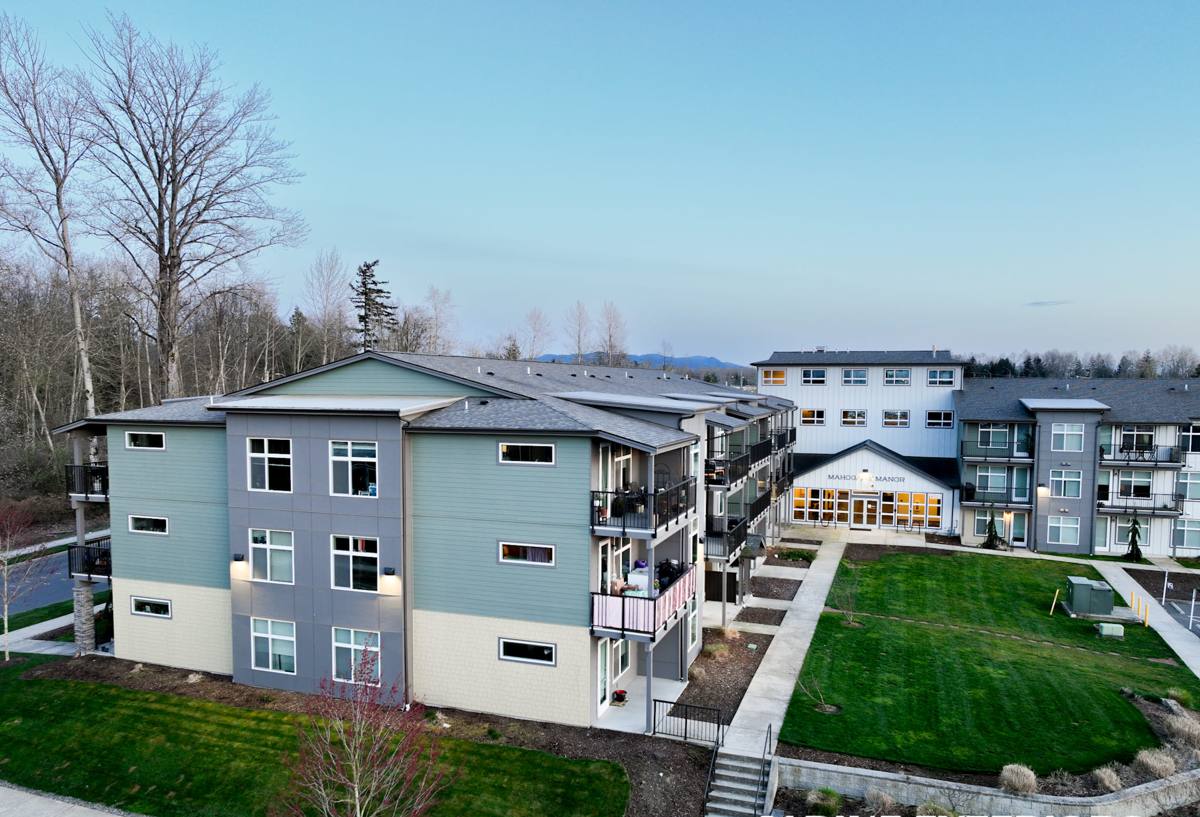
What Blaine's Climate Does to a Window Installation
Direct Salt Exposure
Being this close to the bay and harbor means salt-laden air reaches window hardware, fasteners, and cladding more directly and more often than it does in towns set even a few miles inland. Salt accelerates corrosion in lower-grade metal components — hinges, locks, cranks, screws, and flashing tape adhesives all age faster under sustained salt exposure. A window that looks fine on the outside can have hardware quietly stiffening or corroding well before anyone notices from across the room.
Wind-Driven Rain Off the Water
Open water exposure means storms hit Blaine with less to slow them down before they reach a house, and that rain often arrives sideways rather than straight down. Wind-driven rain finds gaps that would stay dry in calmer conditions — around trim, at the head flashing, behind poorly lapped house wrap. The window unit itself is rarely the weak point in these situations; the surrounding installation detail is.
A Moss and Mildew Season That Runs Most of the Year
Mild temperatures and near-constant moisture give moss and mildew a long growing season across this part of Whatcom County, and window sills, trim, and the wood framing around older windows are common places it takes hold first. Anything porous, shaded, or slow to dry becomes a growth surface over time. On older Blaine homes, it's common to see moss and soft wood concentrated specifically at window sills and lower trim before it shows up anywhere else on the exterior.
What a Correct Window Installation Actually Involves
The window unit itself gets most of a homeowner's attention, but in a climate like this one, the installation detail around it is what actually determines whether it stays dry. A correct job includes the same sequence regardless of window brand:
- Removing the old window and inspecting the rough opening for hidden rot, moisture staining, or framing damage before anything new goes in
- Repairing or replacing any compromised framing found during that inspection, rather than installing over it
- Flashing the opening so water sheds out and away from the wall assembly, lapped correctly with the surrounding weather-resistive barrier
- Setting the window level, plumb, and square, then shimming and fastening per the manufacturer's specification for the unit's size and wind load rating
- Sealing with materials rated for sustained moisture exposure — not relying on caulk alone as the primary water barrier
- Insulating the gap between the window frame and rough opening without overpacking, which can bow the frame and affect operation
- Finishing interior and exterior trim so the assembly sheds water correctly and matches the surrounding siding or casing
Skip any one of those steps and a window installation can still look correct on install day. The failures tend to show up later — a soft sill, interior staining below the frame, or a draft that gets worse every winter instead of better.
New Construction vs. Replacement Windows
Blaine has a mix of newer builds and older homes closer to the water, and the right installation method depends on which situation applies. New construction windows have a nailing fin and are installed with full access to the framing and house wrap, which allows for a complete flashing sequence built from scratch. Replacement — or retrofit — windows are sized to fit into an existing frame that stays in place, which is common on older homes where removing the full frame and surrounding siding isn't practical or necessary.
Both methods can perform well when done correctly, but they're not interchangeable. A retrofit window installed where the existing frame has hidden rot just traps the problem behind a new unit. Part of a proper assessment is determining whether the existing frame and flashing are actually sound enough to build a retrofit installation on, or whether the situation calls for going back to the rough opening instead.
Choosing Frame Material and Hardware for This Climate
Frame material matters more in a direct salt-air environment like Blaine's than it would further inland, because the gap in performance between a well-suited product and a poorly-suited one shows up faster here. We install vinyl and fiberglass window systems and talk homeowners through the real trade-offs rather than defaulting to one option.
| Frame Material | Handling Salt Air & Moisture | Maintenance | Typical Use |
|---|---|---|---|
| Vinyl | Good — resists rot and corrosion, no paint to maintain | Low — occasional cleaning | Most standard replacement and new construction jobs |
| Fiberglass | Very good — dimensionally stable across temperature swings, holds paint if desired | Low to moderate | Larger openings or where a painted finish is wanted |
| Aluminum-clad wood | Moderate — cladding protects the exterior face, but cut edges and joints need attention | Moderate — interior wood still needs upkeep | Homeowners wanting a wood interior look |
| Uncladded wood | Weak against sustained salt and moisture exposure without diligent upkeep | High — regular sealing or painting | Rarely our recommendation this close to the water |
Hardware grade matters as much as frame material. Standard-grade hinges, locks, and cranks can start corroding within a few seasons this close to the bay, while corrosion-resistant hardware holds up considerably longer under the same exposure. We specify hardware to match the site, not just the window line.
Glazing and Condensation
Double or triple-pane glazing with a low-E coating helps on two fronts here — it reduces heat loss during cold, damp stretches and cuts down on the interior condensation that shows up on older or poorly sealed windows during winter. Condensation between panes on an existing window is usually a sign the seal has already failed, not just a cosmetic issue to ignore.
A Checklist Before Hiring for Window Work in Blaine
- Ask specifically how they handle flashing integration with the existing siding and wall assembly, not just which window brand they sell
- Confirm current Washington contractor licensing and active liability insurance
- Get a written scope that separates the manufacturer's product warranty from the contractor's installation warranty
- Ask whether they recommend a retrofit or full frame replacement for your specific windows, and why
- Ask what hardware grade is specified for a property this close to the water
- Ask about lead times — window orders in this region commonly run several weeks depending on size and configuration
How Our Process Works
We start with an on-site look at the existing windows — checking frame and sill condition, hardware function, seal integrity, and how the current flashing ties into the surrounding siding. From there we give a straightforward read on which windows are reasonable candidates for a retrofit install and which situations call for going back to the rough opening, along with a written scope before any work begins. Flashing, sealing, and hardware grade are handled as standard practice on every job here, not offered as optional upgrades.
Once the scope is set, installation on most Blaine homes runs a single day per window or a few days for a full-house project, with the bigger variable usually being how long custom-sized units take to arrive after ordering. We finish with a walkthrough of how the specific windows installed operate and what little upkeep they'll need going forward.
Why It Matters That We Already Work Blaine
A crew that mostly installs windows further inland can still do competent work, but a Blaine job has variables that come up more consistently here than elsewhere in Whatcom County — corrosion-grade hardware requirements from direct salt exposure, wind-driven rain patterns tied to open exposure on the bay and harbor, and a moss season that settles into window sills and trim faster than it does on more sheltered properties. Working this area regularly means we're not guessing at those requirements on your project. We've seen which frame materials and hardware grades actually hold up against Blaine's specific conditions, and which installation shortcuts turn into interior water damage two or three winters later.
That familiarity also shows up in smaller judgment calls — recognizing hidden rot at a rough opening before it becomes a bigger problem, or being straightforward about whether a window needs a full replacement now versus a few more good years with proper maintenance.
Get a Straight Answer About Your Windows
Whether you're dealing with drafty, foggy, or hard-to-operate windows on a Blaine property, planning new construction, or just want an honest read on repair versus replacement, we're happy to take a look and lay out the options plainly. Reach out below for a free, no-pressure estimate.