 Bellingham Roofing
 Windows in Blaine Work Harder Than Windows Inland
Blaine sits right at the water's edge at the top of Whatcom County, close enough to the Canadian border that the weather feels different from what you get even a few miles south in Bellingham. The wind comes off open water with nothing to slow it down, rain arrives sideways more often than straight down, and the air itself carries salt. None of that is dramatic on any single day, but it adds up fast on a home's windows. Seals age faster, hardware corrodes sooner, and frames that would last decades in a dry inland climate start showing their age in half that time.
This page is specifically about window replacement for homes in and around Blaine — not a general overview of windows everywhere we work. If you're noticing drafts, fogged glass, sticking sashes, or soft wood around your window trim, the cause is usually tied directly to the conditions unique to this stretch of coastline.
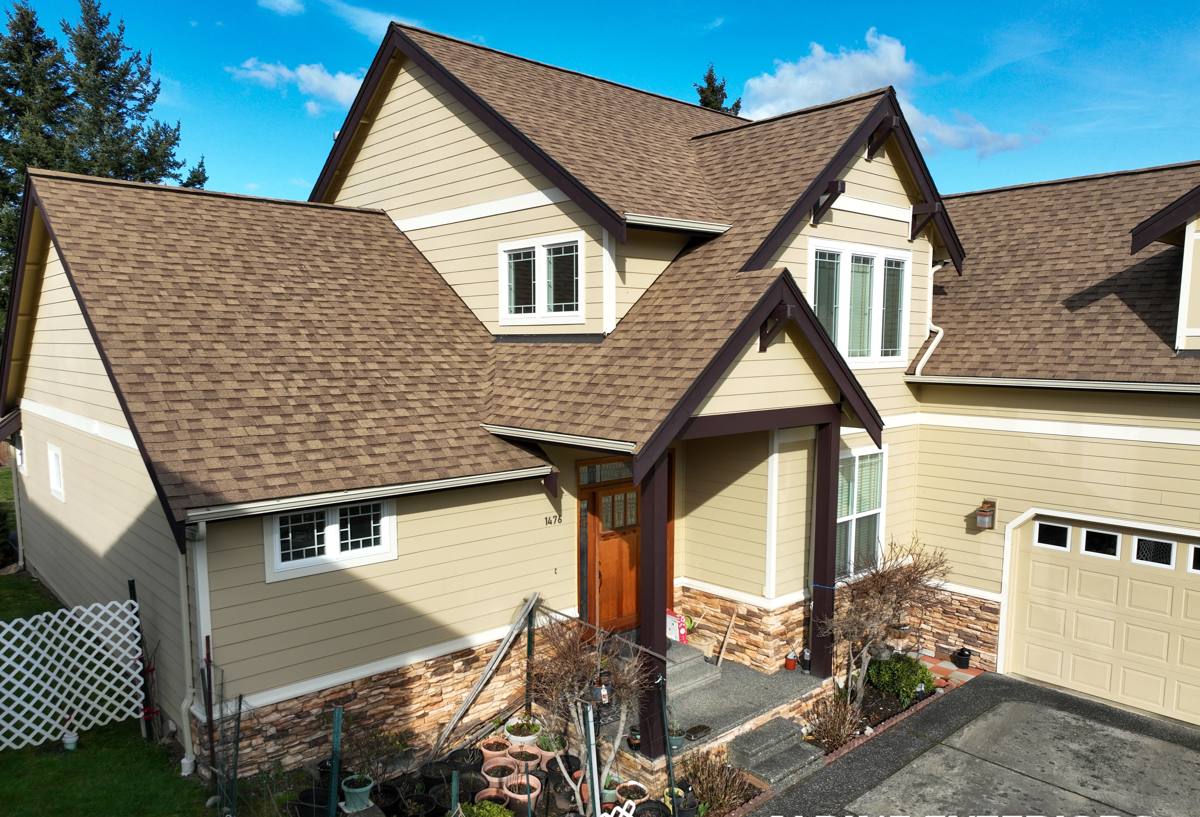
What Blaine's Climate Actually Does to Windows
Salt Air and Metal Fatigue
Salt in the air settles on everything, including window hardware, screen frames, and any exposed metal flashing. Over years, that salt exposure speeds up corrosion on hinges, cranks, and locks — especially on the sides of a house that face the water or catch the prevailing wind. A window that operates smoothly for a decade inland might start binding or corroding at the hardware in half that time here.
Driving Rain and Water Intrusion
Whatcom County gets a lot of rain overall, but Blaine's exposure means storms often push rain sideways into the building envelope instead of letting it run straight down the siding. Windows that were installed with minimal flashing, or sealed with caulk alone instead of proper water management, are the first place that kind of wind-driven rain finds its way in. Once water gets behind a window frame, it doesn't dry out quickly in our climate — it sits, and it works on the framing around it.
The Long Moss and Damp Season
Between the fall rains and the short winter days, this area holds moisture for months at a stretch. Moss and algae don't just grow on roofs — they take hold on window sills, in the corners of frames, and in any spot that stays shaded and damp. Beyond looking bad, that growth holds water against wood trim and failing caulk lines, which accelerates rot in exactly the places a window depends on to stay sealed.
Signs a Blaine Home Actually Needs Window Replacement
Not every drafty window needs full replacement — sometimes a new seal or hardware repair solves it. But certain signs point to a frame or unit that's past the point of a reasonable fix:
- Visible fog or moisture trapped between panes of double-glazed glass — a sign the seal has failed and can't be repaired
- Wood trim or sill that's soft, spongy, or visibly rotting when pressed
- Windows that won't stay open, won't latch, or have hardware that's corroded stuck
- Cold drafts you can feel with a hand near the frame, even with the window fully closed
- Visible daylight or gaps around the frame from outside
- Paint or finish that's peeling specifically around the window, not the surrounding wall — often a sign of trapped moisture
- Noticeably higher heating bills without any other explanation
If you're seeing more than one of these on the same window, or the same issue repeating across several windows on one side of the house, replacement is usually the more honest recommendation than another round of caulk and patch repairs.
What a Correct Window Replacement Job Actually Involves
Window replacement looks simple from the outside — old window out, new window in — but the parts that determine whether it lasts fifteen years or two are mostly hidden once the job is done.
Flashing and Water Management First
Before a new window ever goes in, the opening needs proper flashing — material that directs any water that gets past the window itself back out, rather than letting it soak into the wall framing. This matters more in Blaine than in a lot of places, given how often rain here arrives at an angle. Skipping or shortcutting flashing is the single most common reason a "new" window ends up with hidden rot within a few years.
Sealants, Backer Rod, and Insulation
Caulk alone is not a water management system — it's the last line of defense, not the first. A correct install uses backer rod and the right sealant in the gap between the window frame and the rough opening, plus proper insulation, so the unit is both airtight and able to shed water that does get past the exterior trim.
Level, Plumb, and Square Installation
A window that's out of level or square will bind, won't seal evenly, and puts uneven stress on the frame — which shows up years later as premature hardware failure or air leaks on one side only. This is a step that's easy to rush and hard to notice until the window starts giving you trouble.
Interior and Exterior Trim Finish
The finish work — trim, caulking lines, paint or stain — isn't cosmetic only. In a climate with this much damp weather, exposed or poorly sealed trim is exactly where the next round of rot starts. Finishing the job correctly on both sides of the wall protects the investment you just made.
Choosing the Right Window Material for a Coastal Whatcom County Home
There's no single "best" window material for every home — it depends on your budget, your home's style, and how much exposure that particular wall gets. Here's how the common options hold up under Blaine's specific conditions:
| Frame Material | Coastal / Salt Air Performance | Maintenance | Typical Trade-Off |
|---|---|---|---|
| Vinyl | Good — doesn't corrode or rot | Low | Limited color/finish options, can look less premium on higher-end homes |
| Fiberglass | Very good — highly stable, resists warping in wet/cold swings | Low | Higher upfront cost than vinyl |
| Wood-clad (wood interior, clad exterior) | Good on the exterior; interior wood still needs protection from condensation | Moderate | Higher cost; best for homes where interior wood look matters |
| Aluminum | Weaker in salt air unless properly finished — prone to corrosion and poor insulation value | Moderate to high | We're selective about where we recommend this material on exposed coastal walls |
For homes with direct water exposure or a wind-facing wall, we generally steer clients toward vinyl or fiberglass for the sash and frame hardware, since both hold up to salt air with the least long-term maintenance. That's a professional recommendation based on how these materials behave over time in this specific climate — not a knock on any manufacturer.
Our Process for a Blaine Window Replacement Project
- On-site assessment. We look at every window being considered, check for hidden rot or water damage around the frame, and talk through which units genuinely need replacement versus repair.
- Honest, itemized estimate. You'll know what's being replaced, what materials are involved, and why — no vague lump-sum guessing.
- Correct removal. Old units come out carefully, and we check the rough opening and surrounding framing for damage before anything new goes in.
- Flashing and water management. This step happens before the new window is set — not after, and not skipped.
- Installation, leveling, and sealing. The new window is set plumb, level, and square, sealed and insulated properly.
- Trim and finish work. Interior and exterior trim is finished to shed water and match the look of your home.
- Final walkthrough. We check that every window operates smoothly and seals correctly before we call the job done.
Why a Crew That Already Works in Blaine Makes a Difference
A contractor who works this part of Whatcom County regularly already knows what wind-driven rain and salt exposure do to a building envelope over time, because they've opened up enough old walls to see it firsthand. That experience shows up in small decisions — how much flashing overlap to use, which side of a house needs extra attention, which hardware finishes actually hold up near the water — that a crew unfamiliar with this coastline might not think to account for. It also means realistic scheduling around the wet season, since window replacement goes smoother, and seals better, when it's not fighting active rain.
After Installation: Keeping Coastal Windows Performing
New windows still need a little seasonal attention in this climate:
- Rinse salt residue off frames and hardware periodically, especially on water-facing walls
- Keep weep holes at the bottom of the frame clear of debris and moss so water can drain out
- Check caulk lines each fall before the rainy season sets in, and touch up any cracking
- Trim back vegetation that keeps a window shaded and damp, since that's exactly where moss and algae take hold
What Affects the Cost of Window Replacement in Blaine
We don't quote pricing without seeing the actual windows, but a few factors consistently move the number up or down: the number of windows being replaced at once, frame material, window size and style (a straightforward double-hung versus a large picture window or custom shape), how much of the surrounding trim or siding needs repair due to existing water damage, and access — second-story or hard-to-reach windows take more time. Homes with prior water intrusion around the frames often need some framing repair as part of the job, which is something we'll always flag honestly during the assessment rather than discover as a surprise mid-project.
If your windows are showing wear from Blaine's salt air, wind, or long wet season, we're happy to take a look and give you a straightforward, no-pressure estimate — just fill out the form below and we'll get in touch.