 Bellingham Roofing
 Custom Windows Built for York's Climate
The York neighborhood sits close enough to Bellingham Bay that salt-laden air is a daily fact of life, and close enough to the hills and tree cover that shade, moisture, and moss are just as constant. Windows here work harder than windows almost anywhere inland. They take on driving rain angled sideways by wind off the water, months of damp shoulder-season weather where sills never fully dry out, and salt air that speeds up corrosion on hardware and finishes that weren't built for it. A window that would hold up fine in a drier climate can start failing in York within a few years if it wasn't specified and installed with this environment in mind.
This page is specifically about custom window work for York homes — not a general window page. The housing stock, the exposure, and the failure patterns we see in this part of Bellingham are different enough from other neighborhoods that they're worth addressing directly.
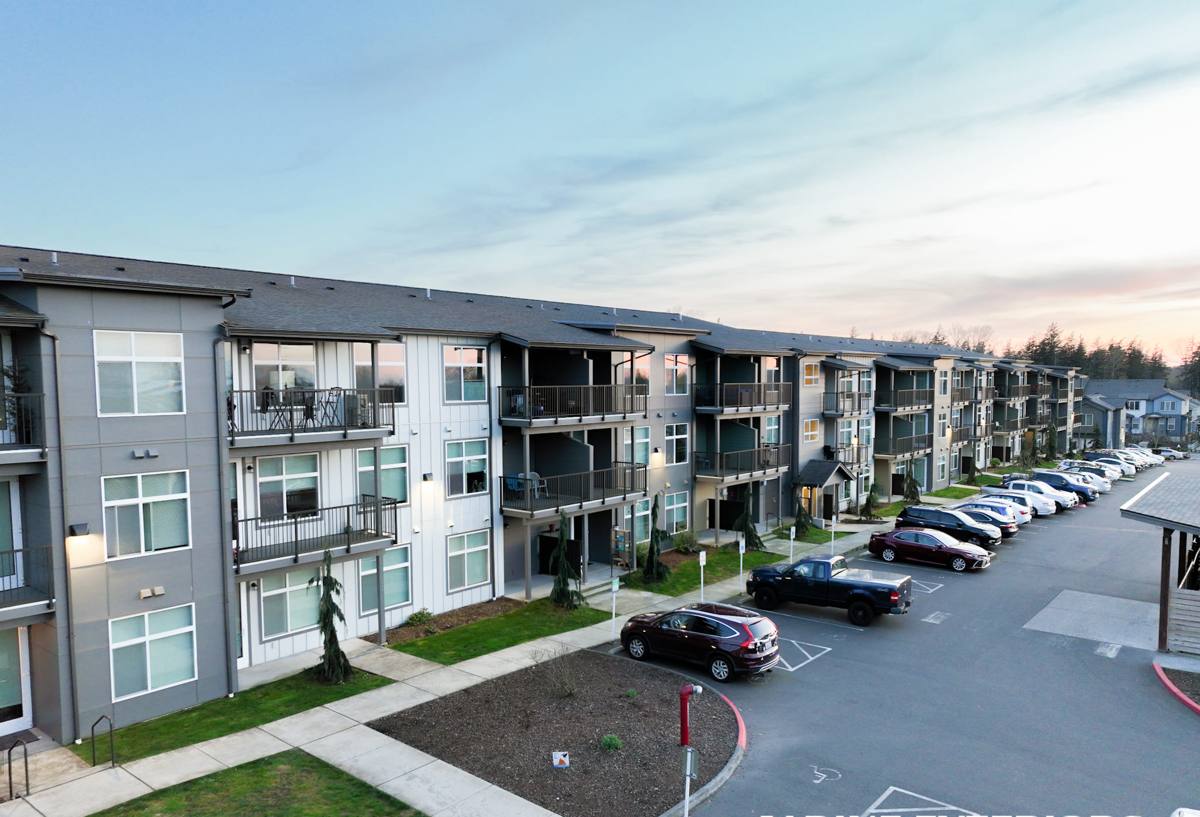
Why York Homes Have Particular Window Needs
A lot of the housing in and around York is older — the kind of construction where original wood windows or early single-pane replacements are still doing their best decades later. That matters for three reasons:
- Original openings are often out of square. Decades of settling mean a "standard size" replacement window rarely fits perfectly without custom sizing or shimming done correctly.
- Old flashing details don't meet current standards. Many older homes were built before modern window flashing tape and drainage planes were common practice, so water management around the opening needs to be rebuilt, not just patched.
- Moss and organic buildup accelerate wood decay. Whatcom County's long moss season keeps moisture sitting against sills, trim, and lower window corners longer than in drier climates, which is exactly where rot starts.
None of this means older York homes need to sacrifice character to get functional windows. It means the installation has to account for what's actually behind the wall, not just what fits in the rough opening.
Salt Air and Hardware
Proximity to the bay means airborne salt settles on everything, including window hardware, screens, and exterior trim. Cheaper hinges, cranks, and locks corrode faster here than the manufacturer's warranty literature usually assumes. We steer customers toward hardware finishes and materials rated for coastal exposure, because replacing corroded hardware every few years costs more over time than paying a bit more upfront.
Signs Your Current Windows Are Losing the Fight
- Condensation building up between panes (a sign the seal has failed on a double- or triple-pane unit)
- Soft or discolored wood at the sill or lower corners
- Drafts you can feel even with the window fully latched
- Paint or finish peeling faster on window trim than on the rest of the siding
- Visible green or black staining at the bottom corners — a sign moisture is sitting there rather than draining away
- Windows that are difficult to open, close, or lock, especially after damp weather
- Rising heating bills with no other explanation
Any one of these on its own isn't necessarily urgent. Two or more together, especially on the same window, usually means water has already gotten past the surface finish.
What a Correct Custom Window Installation Actually Involves
"Custom" here doesn't mean expensive or elaborate — it means the window and the installation are matched to the actual opening and actual exposure, rather than treating every job the same way. A correct installation in this climate includes:
- Accurate measurement of the existing rough opening, including checking for square, level, and any settling that's occurred over the years.
- Removing the old unit carefully to expose the framing and sheathing underneath, so hidden rot or moisture damage can be caught before it's sealed back up behind a new window.
- Repairing any damaged framing or sheathing found during removal — this is the step that gets skipped on cut-rate jobs and causes problems five years later.
- Installing a proper drainage plane and flashing so any water that does get past the window sheds outward and down, not into the wall cavity.
- Setting the window plumb, level, and properly shimmed so it operates smoothly and seals evenly for its full lifespan.
- Sealing with the right materials for the location — different sealants and tapes perform differently under sustained damp conditions, and using interior-grade product outdoors is a common shortcut that fails early.
- Interior and exterior trim finished to match the home, so the new window doesn't look like an obvious patch job.
Skipping the flashing and drainage step is the single most common cause of window failures we get called out to fix in this area — the window itself is often fine, but water got in around it.
Choosing the Right Window Material for a York Home
Material choice matters more here than in a drier inland climate, because whatever you choose is going to face sustained moisture and salt air for years. There's no single "best" material — it depends on your home's style, your budget, and how much upkeep you want to take on.
| Material | How it handles this climate | Upkeep | Best fit |
|---|---|---|---|
| Vinyl | Good moisture resistance, won't rot or corrode from salt air | Low — occasional cleaning | Budget-conscious replacements, rental properties |
| Fiberglass | Excellent stability in temperature and moisture swings, holds paint well | Low to moderate | Homes wanting durability plus a paintable finish |
| Wood-clad (wood interior, clad exterior) | Traditional look with the exterior face protected from weather and salt | Moderate — interior wood still needs occasional attention | Older or character homes where wood interior trim matters |
| Aluminum | Strong but prone to corrosion near salt air unless properly finished | Higher near the coast | Specific architectural or commercial applications |
For most York homes, we lean toward vinyl or fiberglass for full replacements, and wood-clad when matching original character on an older home is a priority. We'll walk through the actual trade-offs for your specific house rather than pushing one product line.
Glass and Efficiency Options Worth Understanding
The glass package matters as much as the frame material. A few terms worth knowing when you're comparing quotes:
- Low-E coating: A microscopically thin coating that reduces heat transfer without noticeably changing how much light comes through.
- U-factor: Measures how well the window prevents heat from escaping — lower is better for our heating-dominated climate.
- Gas fill (argon or krypton): The inert gas between panes that slows heat transfer compared to plain air.
- Warm-edge spacers: The material separating the panes at the edge, which affects condensation resistance — a real factor in a consistently damp climate like Whatcom County's.
None of these are marketing gimmicks — they're the actual mechanisms that determine how a window performs through a wet Bellingham winter.
Our Process for York Window Projects
- On-site assessment — we look at the actual openings, check for existing moisture or rot, and talk through what you want out of the project.
- Honest recommendation — we'll tell you if a window can be repaired or resealed instead of replaced, and we'll be upfront if a full replacement is the better long-term call.
- Written estimate — clear pricing with no surprise add-ons buried in fine print.
- Scheduled installation — timed with an eye on the weather window, since installing in the middle of a heavy rain event isn't good for anyone.
- Final walkthrough — checking operation, seals, and finish before we consider the job done.
Why It Matters That We Already Work in York
A crew that's worked other jobs in this neighborhood already knows what tends to be behind the walls of homes here, what the typical exposure looks like on different sides of a house depending on which way it faces the bay or the prevailing wind, and what permitting or inspection expectations apply in Bellingham. That's not something you get from a crew driving in from outside the area for a one-off job. It means fewer surprises once the old window comes off the wall, and a better match between what we recommend and what your specific house actually needs.
Keeping Custom Windows Performing in Whatcom County
Even a correctly installed window needs a little seasonal attention here:
- Clear moss and debris from sills and tracks before it holds moisture against the frame
- Check and lightly lubricate hardware annually, since salt air accelerates wear
- Watch for paint or finish breakdown on exterior trim and address it early
- Keep gutters and downspouts clear so water isn't running down past windows during heavy rain
A well-installed custom window in this climate should give you decades of solid performance — but "well-installed" is doing a lot of work in that sentence, which is why the installation details matter as much as the product itself.
If you're dealing with drafty, foggy, or aging windows in York, we're happy to take a look and give you a straightforward, no-pressure estimate — just fill out the form below.