 Bellingham Roofing
 Roof Replacement Built for Edgemoor's Conditions
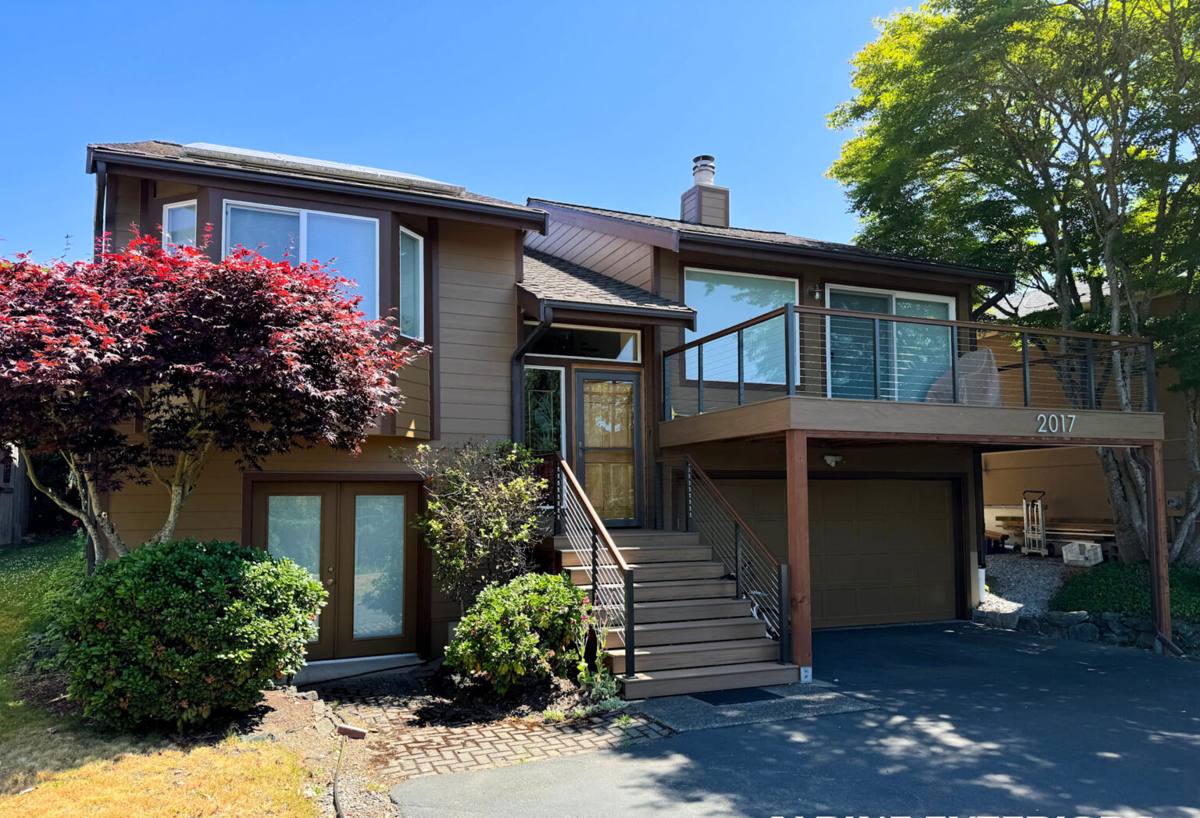
Edgemoor sits close to Bellingham Bay, tucked under a heavy canopy of fir and cedar along the bluff south of downtown. That combination is beautiful to live in and hard on a roof. Homes here deal with salt-laden air coming off the water, near-constant shade from mature trees that keeps roof surfaces damp long after a storm passes, and the driving, wind-pushed rain that comes through Whatcom County for much of the year. A roof replacement in Edgemoor has to account for all three at once, not just swap old shingles for new ones.
We work in this neighborhood regularly, which means we already know what tends to go wrong on Edgemoor roofs before we pull the first shingle: moss colonies on the north-facing slopes, soft decking under valleys that collect needle litter, and flashing that's corroded faster than it should because of the air coming off the bay. That local pattern recognition changes how we scope a job and where we spend the extra attention.
Why Edgemoor Roofs Age Differently
Salt Air Off the Bay
Properties closer to the water take on airborne salt that accelerates corrosion of exposed metal — nail heads, flashing, gutter fasteners, and vent stacks all wear faster than they would further inland. Over years, that corrosion is one of the more common reasons an otherwise decent-looking roof starts leaking at the details rather than in the field of the shingle itself.
Tree Cover and Moss
Edgemoor's tree canopy is part of what makes the neighborhood desirable, but shaded, damp roof surfaces are exactly where moss and moss-adjacent algae take hold. Moss doesn't just look bad — it lifts shingle edges, holds water against the roofing material, and works its way under flashing over time. A roof that's been fighting moss for years often has more underlying damage than it shows from the ground.
Driving Rain and Wind
Whatcom County storms frequently come in sideways off the Strait, which pushes water into laps, valleys, and flashing details that a straight-down rain would never reach. Underlayment quality and flashing detail work matter more here than in drier, calmer climates — a replacement that skips those details will show it in the first hard windstorm.
Signs an Edgemoor Roof Needs Replacement, Not Another Repair
Not every roof problem calls for a full replacement, and we'll tell you honestly when a repair is the right call. Replacement generally makes sense when:
- The roof is nearing or past the manufacturer's expected service life for its material and exposure
- Moss and algae have returned repeatedly despite cleaning, suggesting shingle granule loss underneath
- Multiple leaks are showing up in different areas rather than one isolated spot
- Decking feels soft or spongy underfoot in more than a small, localized area
- Flashing around chimneys, skylights, or valleys is corroded or was poorly installed originally
- You're planning to sell and want a roof that won't stall an inspection
If we get on the roof and find the problem is contained — a section of flashing, a handful of damaged shingles — we'll say so and quote a repair instead. A replacement is a bigger investment, and we don't recommend one unless the roof actually needs it.
What a Correct Roof Replacement Actually Involves
A roof replacement is more than laying new shingles over what's there. Done right, it includes:
Full Tear-Off and Deck Inspection
We remove the existing roofing down to the deck rather than layering over it. That's the only way to actually see the plywood or plank sheathing underneath and catch soft, rotted, or delaminated sections before they become a hidden problem under a brand-new roof.
Underlayment Suited to the Exposure
Given how much wind-driven rain and shaded moisture Edgemoor roofs deal with, underlayment choice matters. Synthetic underlayment and ice-and-water shield in vulnerable areas — valleys, eaves, around penetrations — give the roof a second line of defense if wind ever drives water past the shingle layer.
Flashing Done as Custom Metalwork, Not an Afterthought
Chimneys, skylights, sidewalls, and valleys are where most roof leaks actually start. We fabricate and install flashing to fit the specific roof rather than relying on generic pre-formed pieces that leave gaps.
Ventilation That Matches the Roof
Proper intake and exhaust ventilation keeps the attic space dry and temperature-balanced, which slows moss growth from underneath and protects the decking and framing over the long run. On a shaded, moisture-prone lot like much of Edgemoor, ventilation isn't optional — it's part of what makes the new roof last.
Cleanup and Magnetic Sweep
Full tear-off means nails and debris. We clear the site and run a magnetic sweep of the yard and driveway before we call the job done, which matters on wooded lots where debris is easy to lose in landscaping.
Material Options for This Climate
There's no single "right" material for every Edgemoor home — it depends on the roof's pitch, how much shade it gets, your maintenance appetite, and budget. Here's how the common options compare for this specific climate:
| Material | Moss/Moisture Resistance | Salt Air Durability | Maintenance |
|---|---|---|---|
| Architectural asphalt shingle | Good with proper ventilation and periodic cleaning | Good; metal components should be corrosion-resistant | Low to moderate |
| Standing seam metal | Very good — sheds moss and debris well on adequate pitch | Depends on coating/fastener quality near the bay | Low |
| Cedar shake | Requires diligent upkeep in shaded, damp conditions | Moderate; needs regular treatment | Higher |
| Synthetic/composite shingle | Good; resists moisture absorption | Good | Low |
We're upfront that cedar shake, while attractive and traditional in older Bellingham neighborhoods, asks a lot of a homeowner on a shaded lot — it needs more frequent attention to stay ahead of moisture and moss than the other options. That's a maintenance trade-off worth knowing before you commit, not a knock on the material itself.
What Drives the Cost of a Replacement
Every Edgemoor roof is priced individually after we walk it, but the same handful of factors move the number up or down on most jobs:
| Factor | Why It Matters |
|---|---|
| Roof pitch and complexity | Steeper, multi-plane roofs take longer and need more safety setup |
| Access and tree cover | Wooded lots and tight driveways can require extra staging or hand-carrying material |
| Number of existing layers | Tear-off of multiple old layers takes more labor and disposal |
| Decking condition | Rotted or soft sheathing found during tear-off needs replacement before new roofing goes down |
| Material selection | Asphalt, metal, cedar, and composite all carry different material and labor costs |
| Flashing and penetration count | Chimneys, skylights, and multiple valleys add custom metalwork time |
We'd rather give you a real number after seeing the roof than a rough figure that changes once we're up there. If tear-off uncovers something unexpected, like soft decking under a valley, we'll show you before doing the work — not add it to the bill afterward.
Our Process, Start to Finish
- Free on-site inspection — we walk the roof and attic, not just look from the ground, and photograph anything relevant
- Written estimate — a clear scope covering materials, tear-off, decking allowance, flashing, and ventilation
- Scheduling around weather — we plan for a dry work window given how much rain the area sees
- Tear-off and deck inspection — with any decking issues shown to you directly
- Underlayment, flashing, and roofing installation — following manufacturer specs for the material chosen
- Ventilation check and adjustment — confirming intake and exhaust are balanced for the new system
- Final walkthrough and cleanup — including a magnetic sweep of the yard
Why a Crew That Already Works Edgemoor Matters
A roofing crew that's worked this specific part of Bellingham knows things a general contractor coming in cold won't: which slopes on a shaded, tree-lined lot tend to hold moss longest, how to stage material and set up safely on lots with limited driveway access, and what City of Bellingham permitting and inspection expects for a residential re-roof. That local familiarity shows up in fewer surprises during the job and a roof that's built for the actual conditions it'll face, not a generic spec.
It also matters for something less obvious — trust. Edgemoor is a neighborhood where a lot of the work gets done based on a neighbor's recommendation. We take that seriously. Our goal on every roof is a job that still looks and performs well years later, because that's what keeps a local crew working in the same neighborhood.
After the Install: Keeping an Edgemoor Roof Healthy
A new roof still needs some basic attention in this climate, especially under tree cover. A short annual routine goes a long way:
- Clear gutters and downspouts of needles and debris at least twice a year
- Have moss growth addressed early, before it lifts shingle edges
- Trim back branches that overhang or touch the roof surface
- Check attic ventilation isn't blocked by insulation or storage
- Have flashing around chimneys and skylights inspected after major windstorms
- Schedule a professional roof check every couple of years, not just when something looks wrong
None of this replaces a periodic professional look, but it's the difference between a roof that comfortably reaches its expected lifespan and one that fights moss and moisture the whole way.
Get a Free, No-Pressure Estimate
If your Edgemoor roof is showing its age, dealing with recurring moss, or you just want an honest opinion on whether it's a repair or replacement situation, we're happy to take a look. The estimate is free, there's no pressure to act on it right away, and you'll get a straight answer about what your roof actually needs. Use the form below to get started.