 Bellingham Roofing
 Windows Built for Happy Valley's Weather, Not a National Average
Happy Valley sits close enough to the water and the hills around Bellingham that its homes take a particular kind of beating: salt-laced air drifting in off Bellingham Bay, wind-driven rain that hits windows sideways rather than straight down, and a long, damp moss season that keeps exterior surfaces wet for months at a stretch. Windows rated for a generic climate zone don't always account for that combination. A window that performs fine in a dry inland market can still let moisture creep in around Whatcom County's frame joints, or lose its seal early when it's rarely given a chance to fully dry out.
When we talk about "energy-efficient windows" for this neighborhood, we're not just talking about a U-factor on a sticker. We're talking about a window and installation system that keeps water out, resists the salt air's effect on hardware and finishes, and still delivers the insulating performance that keeps heating bills down through a long Pacific Northwest winter.
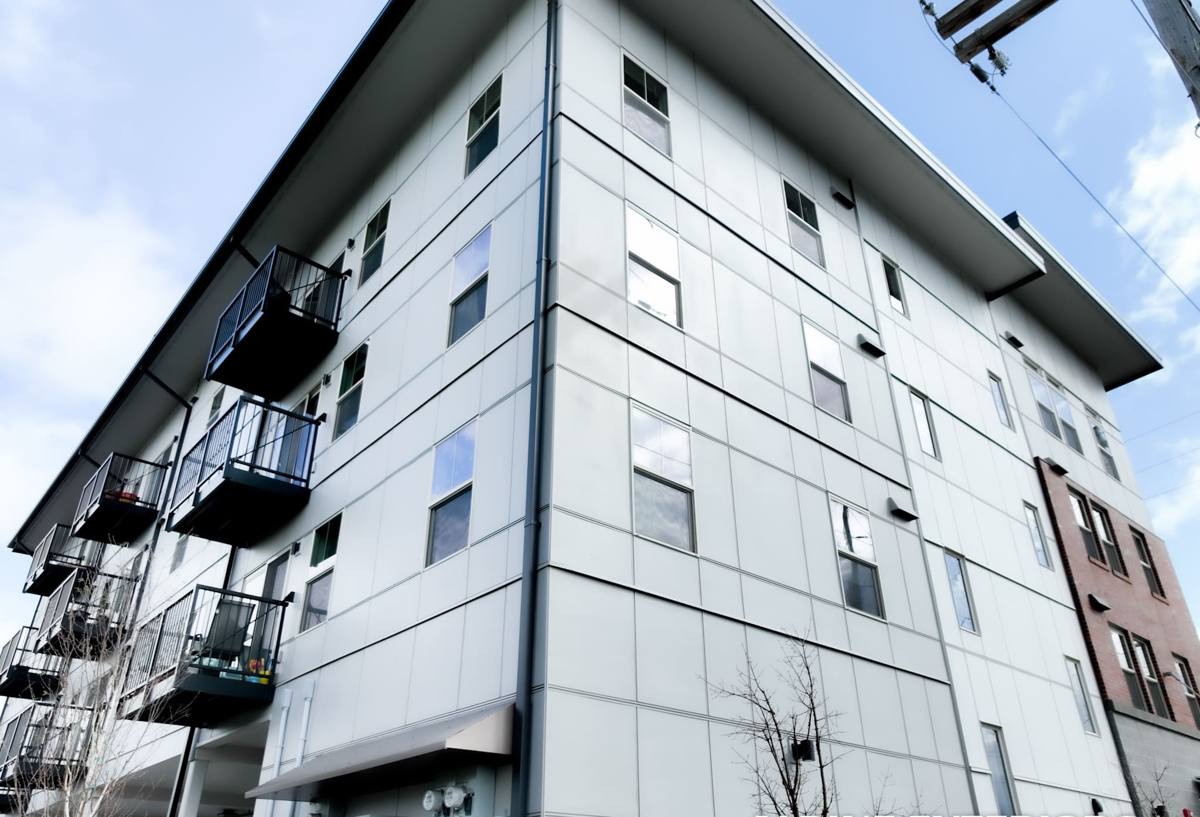
What Energy Efficiency Actually Means in This Climate
A lot of window marketing leans on one number — U-factor or a vague "energy star" label — and stops there. For a Happy Valley home, three things matter together:
- Thermal performance (U-factor): how well the window resists heat loss. Lower is better for our winters.
- Air infiltration rating: how much air leaks through the assembly under wind pressure — directly relevant when storms push rain and gusts sideways into a wall.
- Condensation resistance: how well the glass and frame resist interior fogging and moisture buildup, which matters in a climate where indoor-outdoor temperature and humidity differences sit high for much of the year.
A window can score well on paper for heat loss and still perform poorly here if its weep system and flashing details weren't designed with sustained wind-driven rain in mind. That's why we evaluate the whole assembly — glass package, frame material, and installation detailing — rather than chasing a single spec.
Glass Packages That Make Sense Here
Double-pane, low-E glass with an argon or krypton gas fill is the standard starting point for most Happy Valley homes, and for good reason — it balances upfront cost against real winter heating savings. Triple-pane glass adds further insulation and sound dampening, which some homeowners want on busier streets or near I-5, but it comes at a meaningful cost premium that doesn't always pay back quickly on a moderate coastal climate like ours, where winters are damp but rarely brutally cold. We'll walk through both options honestly rather than upselling triple-pane by default.
Signs Your Current Windows Are Working Against You
Because Happy Valley's climate is more about persistent moisture than temperature extremes, window failure here often shows up as moisture and comfort problems before it shows up as an obvious leak.
- Fogging or a milky haze between the panes — the seal has failed and the gas fill is gone
- Soft or discolored wood trim around the frame, especially on walls that face prevailing weather
- A persistent musty smell near windows, even when there's no visible water
- Cold drafts you can feel with a hand near the sash, even with the window latched
- Difficulty opening, closing, or locking — swollen frames from repeated wet-dry cycles
- Visible moss or algae growth on the sill or exterior trim that keeps returning within weeks of cleaning
- Noticeably higher heating bills compared to similarly sized homes nearby
Any one of these on its own might be minor. Several together usually mean the window assembly — not just the glass — has reached the end of its useful life.
What a Correct Installation Actually Involves
Most window failures we're called out to inspect in this area trace back to installation, not the window product itself. A well-made window installed without proper flashing and drainage will still leak in driving rain. The reverse is also true — a mid-range window installed correctly will usually outperform a premium window installed carelessly.
The details that matter most in a wet coastal climate:
- Sill pan flashing that directs any water intrusion back outside instead of into the wall cavity
- Proper shimming and squaring so the sash operates correctly and seals evenly over years of seasonal movement
- Weather-resistive barrier integration — the window's flashing has to be lapped correctly with the house wrap or building paper, not just caulked over it
- Compatible, breathable sealants rated for the temperature swings and UV exposure our siding sees
- Weep hole clearance kept open so the frame can actually drain, particularly important where moss and debris accumulate
We treat flashing and drainage detail as the non-negotiable part of the job. It's the difference between a window that performs for its full warranty period and one that starts showing moisture damage in five years.
Frame Material Comparison
| Material | Moisture Resistance | Maintenance | Typical Fit for Happy Valley |
|---|---|---|---|
| Vinyl | Very good — won't rot, resists salt air well | Low — occasional cleaning | Strong all-around choice for coastal exposure and value |
| Fiberglass | Excellent — dimensionally stable, low expansion/contraction | Low | Good for homes wanting a longer service life and less flex in temperature swings |
| Wood (clad exterior) | Good if the exterior cladding is intact; interior wood needs protection | Higher — exterior clad face still needs monitoring at joints | Best when the look is a priority and upkeep is expected |
| Aluminum | Fair — conducts cold, can corrode faster in salt air without proper finish | Moderate | Least suited to this specific climate unless thermally broken and well-finished |
We don't push one material as universally "best." A vinyl window installed correctly will often outlast a poorly installed premium wood window in this climate. The honest answer depends on your home's exposure, your budget, and how much upkeep you want to take on.
Our Process for a Happy Valley Window Job
1. On-site assessment
We look at each window's exposure — which walls take the most wind-driven rain, where moss and moisture tend to collect, and what condition the existing flashing and trim are in. Not every window on a home needs the same solution.
2. Straightforward options, no pressure
We'll explain glass package, frame material, and cost trade-offs in plain terms and let you decide what fits your budget and priorities — there's no single "right" window for every house.
3. Careful removal and prep
We check the wall opening for existing moisture damage before the new window goes in. Installing a new window over a compromised opening just hides a problem that will resurface.
4. Installation with proper flashing and drainage
This is where most of the long-term performance is decided, as covered above.
5. Final check and cleanup
We test operation, confirm the seal, and make sure the site is left clean.
What Drives Cost
| Factor | Why It Matters |
|---|---|
| Number of windows and sizes | Larger openings and custom sizes cost more in material and labor |
| Frame material chosen | Vinyl, fiberglass, and clad-wood carry different material costs |
| Glass package (double vs. triple pane) | Triple-pane adds cost but may not be necessary on every wall |
| Condition of the existing opening | Rot repair or reframing adds labor beyond a standard swap |
| Full-frame vs. insert replacement | Full-frame replaces flashing and trim; inserts are faster but depend on sound existing framing |
We'll give you a clear, itemized estimate so you know exactly what you're paying for and why — not a single lump number that hides the details.
Why Local Experience with This Neighborhood Matters
A crew that regularly works in Happy Valley and the surrounding Bellingham area already knows which wall orientations take the worst of the weather, how quickly moss reestablishes itself on north-facing trim, and what installation details actually hold up through a Whatcom County winter versus what looks fine on install day and fails two winters later. That's not something you get from a national installer passing through the area once. It shows up in the small decisions — flashing laps, sealant choice, weep hole placement — that determine whether a window job is still performing well a decade from now.
Simple Maintenance That Extends Window Life
- Rinse salt residue and grime off frames and glass a few times a year, especially after storms
- Keep weep holes clear of moss, dirt, and debris so water can actually drain
- Inspect exterior caulk lines annually and have gaps resealed before they let water in
- Trim back vegetation that keeps trim and sills shaded and damp
- Operate each window a few times a season so hardware doesn't seize up from disuse
If your windows are drafty, fogged, hard to operate, or just older than you'd like to think about, we're happy to take a look and give you a straightforward, no-pressure estimate for your Happy Valley home. Use the form below to get started.