 Bellingham Roofing
 Cordata's Climate Is Harder on Siding Than It Looks
Cordata sits in north Bellingham, close enough to Bellingham Bay and the Salish Sea that homes here deal with a steady mix of salt-laden air, wind-driven rain, and long stretches of gray, damp weather that can run from October well into May. None of that is dramatic on any single day. The damage shows up slowly, over years, as moisture works into seams, caulk lines dry out and crack, and north-facing walls stay wet long enough to grow moss and algae that most siding products were never designed to shed.
Whatcom County's marine climate is milder than a lot of the country, which is part of the appeal of living here — but mild and dry are two different things. Siding in Cordata isn't fighting extreme heat or hard freezes most years. It's fighting relentless, low-grade moisture exposure, and that's a different set of problems that calls for a different set of solutions than a generic siding job assumes.
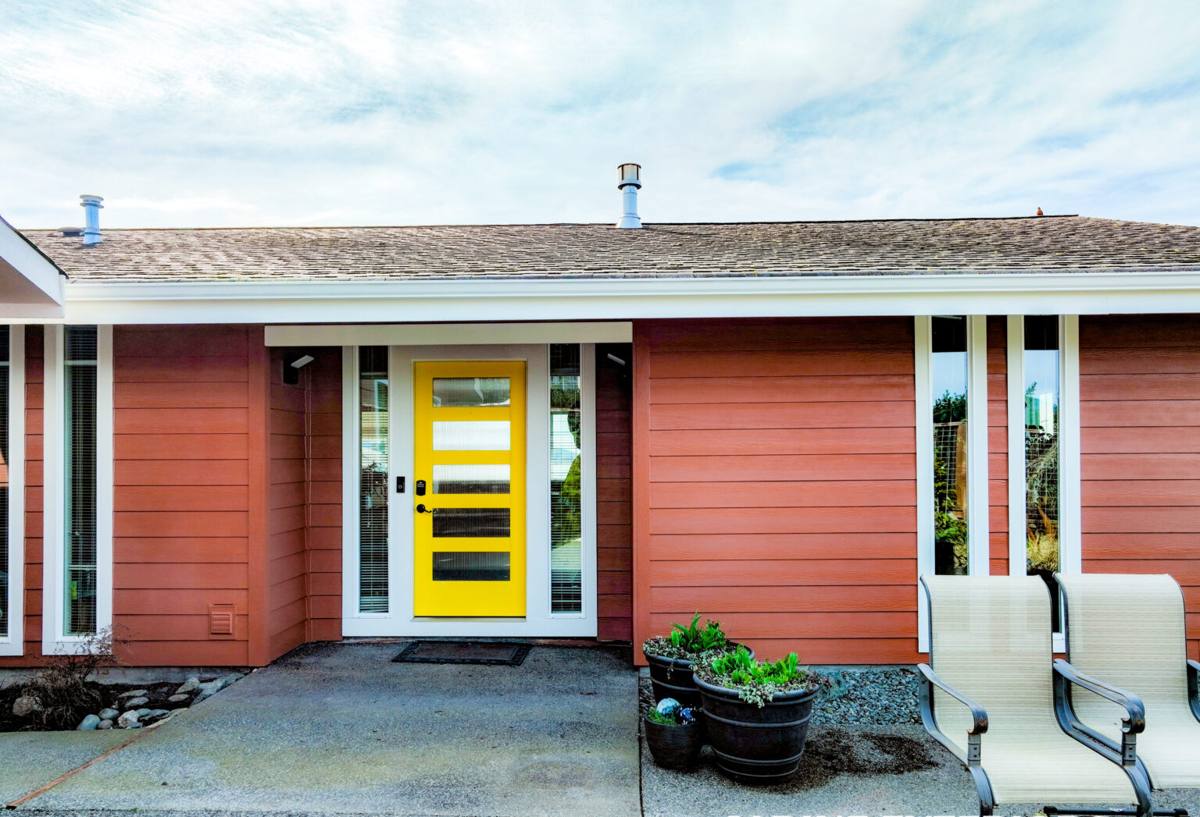
What Local Homes Actually Need From Their Siding
Based on what we see on Cordata houses year after year, a siding system in this neighborhood has to handle three things well, not just one:
- Sustained moisture without swelling or rot. Rain here isn't usually intense, it's just constant. Siding needs to shed water and dry out between storms, not hold it.
- Moss and algae resistance on shaded or north-facing walls. Trees, fences, and neighboring homes create shade pockets across Cordata's residential streets, and anything organic-based will host growth faster in those spots.
- Salt air tolerance. Being inland of the immediate waterfront helps, but Cordata is still close enough to Bellingham Bay that airborne salt contributes to fastener corrosion and finish breakdown on lower-grade products over time.
A siding product that only addresses one of these — say, a wood-look finish that resists moss but swells at the joints — isn't solving the actual problem. It's trading one failure mode for another.
Why We Install James Hardie and Nothing Else Here
James Hardie fiber cement is engineered specifically for climate zones like ours. The HZ5 product line used in the Pacific Northwest is formulated for high-moisture, high-humidity conditions — it doesn't absorb water the way wood-based or wood-composite products can, and it's dimensionally stable enough that it doesn't swell and shrink with the seasonal moisture swings Cordata sees every year.
The factory-applied ColorPlus finish matters just as much as the board itself. It's baked on under controlled conditions, so it resists fading and holds up to the low, filtered sunlight and heavy dew cycles typical of this area far better than field-applied paint, which tends to break down at seams and cut edges first — exactly where Bellingham's rain finds a way in.
Fiber cement is also non-combustible, which isn't a Cordata-specific concern the way moisture is, but it's part of why we standardized on Hardie as our one product rather than offering a menu of options with different trade-offs on every job.
How This Plays Out on an Actual Wall
On a typical Cordata home, that means the north and west elevations — the ones catching the most driving rain and holding the most shade — get the same product and the same detailing as the sunnier south side. We don't treat the tough elevations as an afterthought, because those are the walls that fail first on lesser installs.
What a Correct Installation Involves
The siding material only performs as well as the installation behind it. A correct James Hardie install on a Cordata home includes:
- A weather-resistant barrier installed and lapped correctly, with all seams taped or sealed before the first board goes up.
- Proper flashing at every window, door, and roofline intersection — this is where most water intrusion actually starts, not through the siding field itself.
- Correct fastening pattern and fastener type (corrosion-resistant, per Hardie's specs) driven to the right depth — not overdriven, which crushes the board's edge and creates a moisture entry point.
- Manufacturer-specified gaps at butt joints and around penetrations, sealed with a siding-rated sealant rather than caulked tight, which traps moisture instead of letting it drain.
- A clearance gap at the bottom of the wall (away from decks, patios, and grade) so the board isn't sitting in standing water or constant splash-back.
- Field-applied touch-up paint on any cut edges, matched to the ColorPlus finish, so exposed fiber cement isn't left unsealed.
Skip any one of these and you can still end up with a wall that looks right for a few years before moisture finds the shortcut.
Where Generic Installs Go Wrong in This Climate
We get called out to Cordata homes with siding that's only a handful of years old and already showing problems, and the cause is almost always one of the same handful of shortcuts:
- Caulk used in place of proper flashing at trim and window transitions — it fails first and hides the leak behind the wall until the damage is already done.
- Boards installed tight against each other with no expansion gap, which cracks the finish as the material moves seasonally.
- Siding run too close to grade or a deck surface, wicking moisture and growing moss within the first couple of wet seasons.
- Cut ends left unpainted, giving raw fiber cement a direct path to absorb moisture at every joint.
None of these are Hardie's fault. They're installation shortcuts that show up faster in a climate like Cordata's than they would somewhere drier, which is exactly why the crew matters as much as the product.
Our Process for Cordata Homes
- On-site assessment. We walk the exterior, check the existing wall assembly and any moisture damage, and identify problem elevations before quoting anything.
- Tear-off and inspection. Removing the old siding lets us check the sheathing underneath for rot or hidden damage — common on older Cordata homes where moisture has been getting in unnoticed.
- Weather barrier and flashing. This step gets the most attention, since it's the layer that actually keeps water out long-term.
- Hardie installation. Boards, trim, and accessories installed to manufacturer spec, with fastening, gapping, and sealing done correctly the first time.
- Finish work. Caulking, touch-up paint on cut edges, and a final walk-through so you know exactly what was done and why.
Why Hiring a Crew That Already Works in Cordata Matters
Neighborhood familiarity isn't just a nice-to-have. A crew that's worked Cordata's streets knows which lots sit in shade most of the day, which elevations catch the worst of the wind-driven rain off the Bay, and how the local building department handles permitting for exterior work in this part of Bellingham. That translates into fewer surprises mid-project and a wall system detailed for the way weather actually hits your specific lot, not a generic set of assumptions.
It also means a shorter response time if something needs a follow-up look after the first wet season — a real advantage when the whole point of the job was to stop dealing with moisture problems.
Comparing Cost Factors for Cordata Siding Projects
| Factor | What Drives the Cost | Why It Matters Here |
|---|---|---|
| Wall condition | Hidden rot or sheathing damage found at tear-off | Common on older homes where prior caulk-only detailing let moisture in unnoticed |
| Elevation complexity | Number of stories, dormers, trim details | North and west walls need the same careful flashing as visible front elevations |
| Product line and profile | Lap width, panel vs. plank, trim style | HZ5 formulation is standard for this climate regardless of profile chosen |
| Finish | ColorPlus factory finish vs. site-applied primed board | Factory finish holds up far better against Bellingham's damp, low-light conditions |
| Access and site conditions | Lot slope, landscaping, deck proximity | Affects clearance detailing needed to keep siding away from moisture sources |
Every one of these is assessed on-site before we give you a number — broad ranges without seeing the actual house tend to miss exactly the details that matter most in this climate.
After Installation: A Simple Maintenance Checklist
Correctly installed James Hardie siding is low-maintenance, not no-maintenance. A few habits keep it performing the way it's designed to in Cordata's conditions:
- Rinse siding annually, focusing on shaded and north-facing walls where moss and algae take hold first.
- Keep gutters clear so overflow isn't running down the wall face during heavy rain events.
- Trim back shrubs and trees that keep a wall section damp and shaded longer than necessary.
- Inspect caulking at trim and penetrations every year or two, and have any cracked sections resealed before the wet season.
- Touch up any accidental chips or scratches promptly so raw fiber cement isn't left exposed.
Ready to Talk About Your Cordata Home?
If your siding is showing moss, cracked caulk lines, or soft spots after Bellingham's wet seasons, we're happy to take a look and give you a straight answer on what's going on and what it would take to fix it right. Use the form below to request a free, no-pressure estimate — no obligation, just an honest read on your home.