 Bellingham Roofing
 Windows Built for the Puget Neighborhood's Weather
Homes in the Puget area sit close enough to the water and the marine weather patterns that roll through Whatcom County to take a different kind of beating than houses further inland. Salt-laden air, long stretches of driving rain off the Sound, and months of low sun angle that keep siding and window frames damp all add up. Windows here don't fail because they're old — they fail because moisture and salt exposure found a weak point in the frame, the sealant, or the flashing detail years before anyone noticed a problem.
When we talk about custom windows for this area, we mean windows sized, sealed, and installed to match the specific way this neighborhood's homes take on weather — not a generic install that would work fine in a drier part of the state.
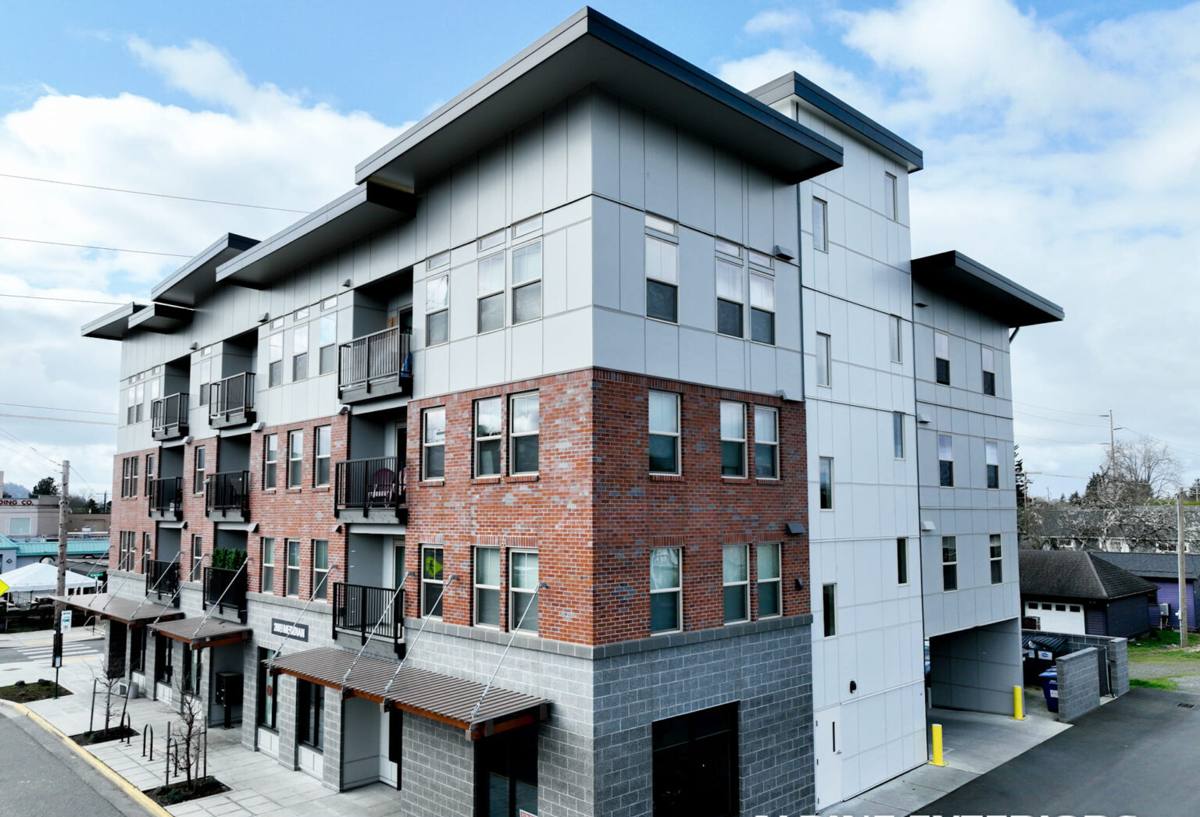
What Puget-Area Homes Actually Need From a Window
Salt Air and Hardware Corrosion
Salt in the air accelerates corrosion on window hardware — hinges, cranks, locks, and especially any exposed fasteners. Cheaper hardware finishes can start showing pitting or discoloration well before the glass or frame shows any wear. We spec hardware and finishes rated for coastal exposure on homes in this area, not just the manufacturer's standard package.
Driving Rain and Water Management
Wind-driven rain doesn't just fall on a window — it gets pushed sideways and upward under sills and around trim. A window that's watertight in calm rain can still leak in a Whatcom County windstorm if the flashing and sill pan weren't detailed correctly. This is a install-quality issue more than a product issue, and it's the single biggest cause of the "why is there water damage inside my wall" calls we get.
Moss, Algae, and Prolonged Dampness
The long moss season here means anything horizontal or shaded stays damp for extended periods — window sills, trim ledges, and the tops of frames included. Wood components that aren't properly primed, sealed, and back-primed on all sides will hold that moisture and eventually rot from the inside out, often invisibly until the trim gets soft.
Quick Reference: Climate Stress vs. Window Response
| Climate Factor | What It Does to Windows | What the Window Needs |
|---|---|---|
| Salt air | Corrodes hardware, pits finishes | Coastal-rated hardware and finish coatings |
| Driving rain | Pushes water past standard flashing | Proper sill pan flashing and head flashing detail |
| Moss/prolonged damp | Rots exposed or unsealed wood | Fully sealed frames, vinyl/fiberglass or well-clad wood |
| Low winter sun | Slower drying after rain events | Sloped sills, weep paths that actually drain |
What a Correct Custom Window Job Involves
"Custom" doesn't just mean an unusual size — most window replacements in older Bellingham-area homes are custom to some degree because original openings were framed by hand and rarely match modern standard sizes exactly. A correct job means the window is built to fit the actual opening, not forced into a stock size with extra trim to hide the gap.
- Accurate field measurement of every opening — width, height, and diagonal check for square, since older framing settles unevenly
- Removal of the old window and inspection of the rough opening for hidden rot or water staining before anything new goes in
- Correct sill pan flashing installed before the window ever sets in the opening
- Window set level, plumb, and square, then mechanically fastened per the manufacturer's structural requirements
- Head flashing integrated with the existing house wrap or building paper — lapped correctly so water sheds outward, not behind the siding
- Low-expansion foam and backer rod used around the frame, never just caulk alone, to control both air leakage and moisture
- Interior and exterior trim reinstalled or replaced, with all exposed wood surfaces primed on every side
- Final sealant bead at all exterior joints using a sealant rated for the temperature swings and UV exposure of this climate
Skip any one of these steps and the window can look finished on day one and still leak or fail within a few winters.
Choosing the Right Window for This Location
There's no single "best" window material — the right call depends on the specific exposure of each opening on the house. A window on the weather-facing side of a Puget-area home has different needs than one tucked under a covered porch.
Vinyl
Vinyl frames don't rot or corrode, handle the coastal moisture well, and are the most cost-effective option for most openings. The trade-off is less design flexibility in color and profile compared to fiberglass, and lower-grade vinyl can warp under sustained sun exposure on south- or west-facing walls.
Fiberglass
Fiberglass frames handle temperature swings with less expansion and contraction than vinyl, hold paint well if a custom color is wanted, and stand up to coastal exposure long-term. They cost more upfront, which is usually justified on street-facing elevations or homes where matching an exact trim color matters.
Wood and Wood-Clad
Wood interiors with an aluminum or vinyl exterior cladding give a traditional look with better weather protection than solid wood. We're cautious about recommending unclad wood exteriors in this specific area — the combination of driving rain and long damp seasons puts real maintenance demands on any exposed wood, and it needs a disciplined repainting and recaulking schedule to hold up. That's an honest maintenance conversation, not a knock on wood as a material.
Our Process for Puget-Area Window Projects
- On-site assessment. We look at every opening individually, check for existing water damage or rot around the frames, and note which elevations take the worst weather exposure.
- Honest product recommendation. We walk through material and glass options based on each window's exposure, not a one-size answer for the whole house.
- Clear, itemized quote. Pricing broken down by opening so it's clear what's driving the cost — size, material, or extra flashing work from prior water damage.
- Removal and inspection. Old windows come out carefully so we can check the rough opening condition before anything new goes in — this is where hidden problems get found and addressed, not covered over.
- Correct installation. Flashing, fastening, insulation, and sealing done in the sequence that actually keeps water out, not just the fastest sequence.
- Final walkthrough. Every window operated, checked for smooth function, and inspected for a clean, sealed finish inside and out.
Signs Your Current Windows Are Losing the Fight
- Fogging or moisture between double-pane glass — the seal has failed and the insulating gas is gone
- Soft or discolored trim around the frame, especially on the bottom sill
- Visible daylight or a noticeable draft when standing next to a closed window on a windy day
- Hardware that's stiff, corroded, or won't latch fully
- Paint bubbling or peeling on interior trim near the window, which usually points to moisture intrusion behind it
- Noticeably colder rooms in winter compared to the rest of the house
Why Local Installation Experience Matters Here
A window installer who mostly works drier inland climates can put in a technically correct install by a generic checklist and still miss the details that matter specifically in a coastal Whatcom County neighborhood — how far to extend head flashing given the wind-driven rain patterns here, which sealants actually hold up through a full wet season without losing adhesion, or how much ventilation a sill detail needs to avoid trapping moisture during moss season. Crews who work this area regularly make those calls without guessing, because they've already seen how the standard approach performs — or doesn't — in this specific climate.
It also means faster, more accurate estimates. Because we already understand the typical framing quirks and exposure patterns of homes in this part of Bellingham, we can spot potential complications during the initial visit instead of discovering them mid-project.
What Affects Cost
| Cost Factor | Why It Matters |
|---|---|
| Window material (vinyl vs. fiberglass vs. clad wood) | Material cost and long-term maintenance needs vary significantly |
| Opening size and custom shaping | Non-standard sizes and shapes require custom manufacturing |
| Existing rot or water damage | Rough opening repair adds labor before the new window can be installed |
| Number of openings and elevation exposure | Weather-facing sides may need upgraded flashing or hardware |
| Glass package | Upgraded glazing for energy performance or sound reduction costs more upfront |
We give straightforward, itemized quotes so it's clear what's driving the total — no vague lump-sum numbers.
If your windows are showing their age or you're planning a renovation in the Puget area, we're happy to take a look and give you a clear, no-pressure estimate. Fill out the form below and we'll schedule a time to assess your home's specific needs.