 Bellingham Roofing
 Siding in Puget Has to Work Harder Than Siding Almost Anywhere Else
Puget sits close enough to Bellingham Bay that homes here deal with a combination most siding products were never designed for: salt-laden air, wind-driven rain that hits walls sideways instead of falling straight down, and a moss season that can stretch from October through May in a wet year. Any one of those on its own is manageable. Together, they wear through the wrong siding material fast — and they punish sloppy installation even faster.
This page is about one job in one place: installing James Hardie fiber cement siding on a Puget home. Not a general siding overview, not a sales pitch for every neighborhood in Whatcom County — just what this specific climate demands, what correct work looks like, and why a crew that already knows this stretch of Bellingham is worth choosing over one that doesn't.
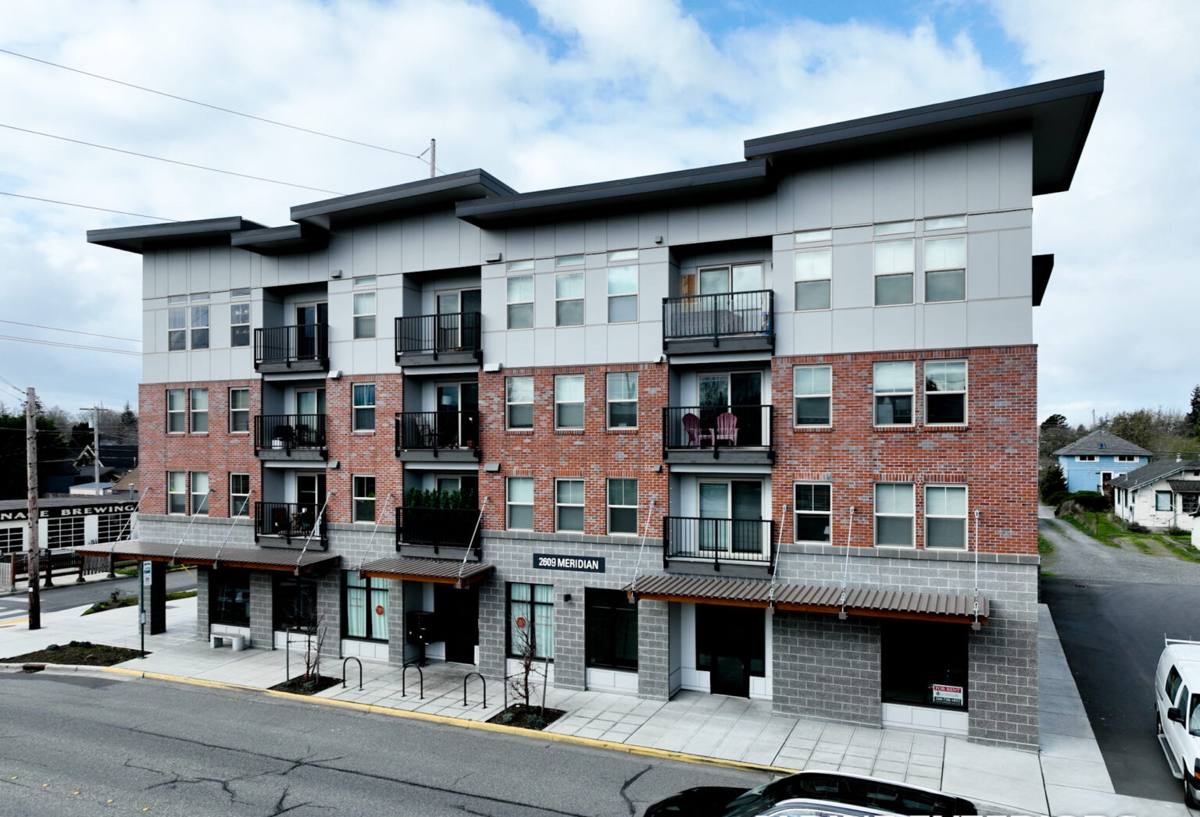
What Salt Air Actually Does to Siding
Homes within a few miles of Bellingham Bay pick up airborne salt that settles on exterior surfaces every day, not just during storms. Salt is hygroscopic — it pulls moisture out of the air and holds it against whatever it lands on. On untreated wood trim, raw metal fasteners, or lower-grade composite siding, that constant low-level dampness accelerates corrosion, swelling, and finish breakdown years ahead of schedule.
Fiber cement doesn't feed on that moisture the way wood-based products do, and James Hardie's ColorPlus finish is baked on in a factory-controlled process rather than sprayed on-site, which gives it meaningfully better resistance to the kind of chalking and fading that salt exposure speeds up. It's not immune to salt air — nothing mounted on a house facing the water is — but it holds up without needing repainting every few years, which matters when a home is this close to the bay.
Fasteners and Flashing Matter as Much as the Siding Itself
A lot of "siding failed early" complaints in areas like Puget aren't actually about the siding panel — they're about corroded fasteners bleeding rust streaks down the face, or flashing that wasn't detailed for sideways-driven rain. We install with corrosion-resistant fasteners rated for the exposure and pay close attention to flashing at windows, doors, and roof lines, because that's where water actually gets in.
Driving Rain and Why Wall Assembly Design Matters
Bellingham gets a lot of rain, but the rain that damages siding in exposed areas near the water isn't the gentle straight-down kind — it's wind-driven rain that hits the wall at an angle and works its way behind poorly lapped panels, undersized gaps, or caulk that's doing a job flashing should be doing. A siding job can look sharp for the first year and still be set up to fail behind the surface if the water management wasn't handled correctly underneath.
Correct installation starts with a drainage plane — a weather-resistant barrier and, where the situation calls for it, a rainscreen gap — that lets any water that does get past the siding drain and dry out instead of sitting against the sheathing. James Hardie's installation specifications are built around this kind of water management, but the specs only work if the crew on the ladder actually follows them.
Clearances That Get Skipped and Shouldn't
Two of the most common corner-cutting mistakes we see on redos in wet coastal-adjacent neighborhoods:
- Siding installed too close to grade, decks, or roof lines — Hardie specifies minimum clearances for a reason, and closing that gap traps moisture against the bottom edge of the panel
- Butt joints and panel seams left unsealed or under-lapped, giving driving rain a direct path behind the siding
- Nailing too tight or through pre-primed edges incorrectly, which can crack the fiber cement or compromise the factory finish at the fastener point
- Skipping or shortcutting the weather-resistant barrier and flashing at penetrations to save time
None of these show up as a problem on install day. They show up two or three winters later, which is exactly why the installation matters as much as the product choice.
Moss Season: The Slow Damage That Sneaks Up on Homes
Whatcom County's long, wet, shaded stretches of the year are ideal moss and algae conditions, and north-facing or tree-shaded walls in Puget can stay damp for days at a time in the fall and winter months. Moss and algae growth on siding isn't just cosmetic — it holds moisture against the surface, and on materials that absorb water, that sustained dampness accelerates rot, swelling, and finish failure.
Fiber cement doesn't provide the same organic material that moss and algae feed on, and it doesn't swell or soften when damp the way wood or wood-composite siding can. That doesn't mean a wall will never see moss or algae — anything shaded and damp long enough can pick up growth on its surface — but the siding itself isn't degrading from that exposure the way it would with a moisture-absorbent material underneath.
What Homeowners Can Do Between Services
- Keep gutters clear so overflow doesn't run down the wall face and stay wet longer than it should
- Trim back vegetation and tree limbs that shade walls and block airflow, especially on north-facing sides
- Rinse visible moss or algae with a soft wash rather than a high-pressure setting that can drive water behind panels or damage the finish
- Watch caulked joints at trim and penetrations for cracking or gaps and have them resealed before a wet season sets in
Why We Install Only James Hardie — and What That Means Here
We standardized on James Hardie fiber cement and don't install vinyl, LP SmartSide, Cemplank, Allura, primed spruce, or cedar. That's not a marketing line — it's a decision based on how those products actually perform over years of exposure like what Puget homes see. Vinyl can warp and become brittle with sun and temperature swings and offers little real protection against moisture intrusion behind it. Wood-based and OSB-core products, no matter how well engineered, remain more vulnerable to swelling and rot once moisture finds a way in, and cedar demands ongoing maintenance most homeowners don't want to keep up with for decades.
James Hardie's fiber cement is non-combustible, doesn't provide organic material for moss or insects to feed on, and — when installed to spec — is built to hold its shape and finish through decades of Pacific Northwest weather. For a home facing salt air, driving rain, and a long moss season all at once, that combination of durability and low maintenance burden is what actually protects the investment.
Product Lines Suited to This Exposure
James Hardie engineers its siding by climate zone (HZ5 for the Pacific Northwest's wet, temperate conditions), and offers several product profiles worth knowing:
| Product | Best Use | Why It Fits Puget |
|---|---|---|
| HardiePlank lap siding | Most common exterior application | Traditional look, strong water-shedding lap profile |
| HardiePanel vertical siding | Accent walls, modern facades | Clean lines, pairs well with board-and-batten trim |
| HardieShingle | Accent gables, dormers | Cedar-shake look without the maintenance |
| HardieTrim | Corners, window and door surrounds | Consistent finish and moisture resistance to match the field siding |
How Different Siding Materials Hold Up in This Climate
| Material | Moisture Behavior | Moss/Algae Resistance | Salt Air Durability | Maintenance |
|---|---|---|---|---|
| James Hardie fiber cement | Doesn't swell or absorb like wood | No organic material to feed growth | Factory finish holds up well | Low — occasional wash and joint check |
| Vinyl | Sheds water but seams can trap it | Can still host surface growth | Can become brittle over time | Low, but limited lifespan in harsh exposure |
| Cedar | Absorbs and releases moisture constantly | Vulnerable without regular treatment | Finish needs frequent renewal | High — recoating and sealing on a cycle |
| OSB-core composite (e.g. LP SmartSide) | Engineered wood core, vulnerable if breached | Moderate, depends on coating condition | Coating wear needs monitoring | Moderate — coating maintenance matters |
Our Process for a Puget Siding Job
Every home is different, but the sequence stays the same because it's the sequence that produces a wall system that holds up:
- On-site assessment — we look at existing siding condition, wall exposure (which sides take the most wind-driven rain and shade), and any signs of past moisture intrusion around windows, roof lines, and the foundation
- Prep and repair — any damaged sheathing or framing found during tear-off gets addressed before new siding goes on; covering up a problem is how small issues become expensive ones
- Weather-resistant barrier and flashing — installed and detailed at every window, door, and penetration before a single piece of siding goes up
- Hardie installation to manufacturer spec — correct clearances, fastener spacing, and joint treatment, with attention to the sides of the home that see the most exposure
- Trim, caulking, and finish check — sealing where it belongs, not as a substitute for proper flashing
- Final walkthrough — we go over the finished work with the homeowner before calling the job done
Why a Crew That Knows Puget's Exposure Matters
A siding crew that mostly works inland neighborhoods can still do competent work, but they may not default to the extra flashing detail, fastener spec, or clearance attention that a home closer to the bay actually needs. A crew that regularly works this part of Bellingham already knows which walls in this kind of location take the worst of the wind-driven rain, where moss tends to establish first, and how to install fiber cement so it performs for decades instead of just looking good on install day.
That local familiarity doesn't replace following the manufacturer's installation spec — it's what makes sure the spec gets applied correctly to the specific conditions a Puget home actually faces.
A Quick Checklist Before Hiring Anyone for Siding Work in This Area
- Ask whether they install to James Hardie's published specifications, including clearances and fastener requirements
- Ask how they handle flashing at windows, doors, and roof-to-wall transitions
- Ask whether they've worked on homes with similar exposure to wind-driven rain or salt air
- Ask about warranty coverage — both the manufacturer's product warranty and any workmanship warranty from the installer
- Get a written scope of work, not just a verbal estimate
What a Correct Job Protects You From
The point of doing this correctly isn't cosmetic. Siding that's properly flashed, correctly cleared from grade and rooflines, and installed with the right fasteners is what keeps water out of the wall assembly in the first place. That's what prevents the rot, mold, and structural repair costs that show up years later when water has been getting behind the siding quietly the whole time. In a climate that combines salt air, driving rain, and a long moss season, that margin between correct and "good enough" installation is larger than it is almost anywhere else in Whatcom County.
If you're weighing a siding project for a Puget-area home, we're happy to take a look and walk you through what your specific exposure calls for. Reach out for a free, no-pressure estimate using the form below.