 Bellingham Roofing
 Barkley's Newer Homes Still Face Bellingham's Weather
Barkley is one of Bellingham's more recently developed residential and mixed-use areas, and a lot of the siding out there is only a couple decades old at most. That doesn't make it immune to what Whatcom County weather does to a house. Salt-tinged air off the Sound, driving rain that comes in sideways more often than straight down, and a moss season that can stretch from fall through spring all put steady stress on exterior cladding — regardless of how new the neighborhood is. Newer construction sometimes means builder-grade siding installed quickly to meet a schedule, which is its own problem when the material or the installation wasn't built for this climate to begin with.
Siding replacement in Barkley isn't just a cosmetic upgrade. It's the point where a homeowner gets to correct whatever compromises were made the first time around — thin water-resistive barriers, undersized flashing, siding butted too tight to trim, or a product that simply wasn't rated for constant damp exposure. Done right, it's the single biggest thing you can do to keep moisture, rot, and moss out of your walls for the next several decades.
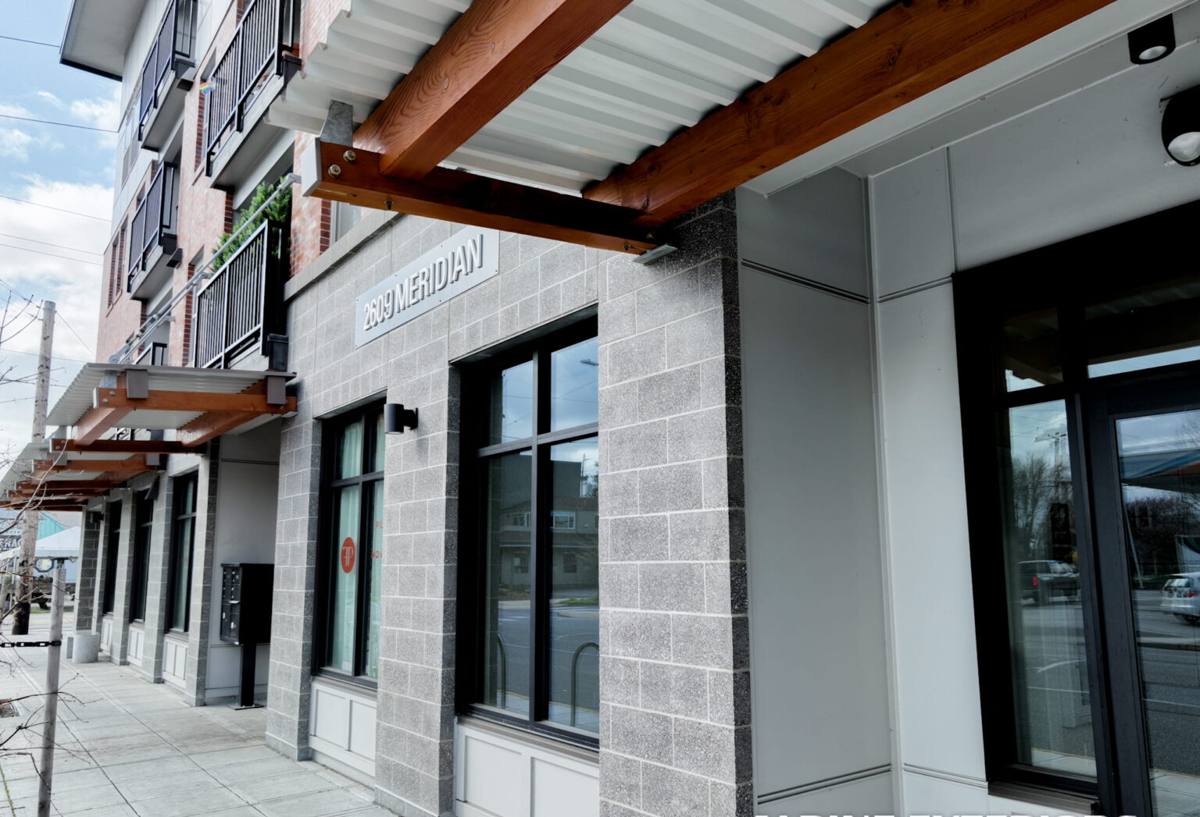
Signs a Barkley Home Is Ready for New Siding
Most homeowners don't wake up one day and decide to replace siding — something nudges them toward it. In this part of Bellingham, the nudges tend to look like this:
- Moss or dark green streaking that comes back within weeks of being cleaned off
- Soft spots, especially low on walls or under windows, that give slightly when pressed
- Paint that's chalking, peeling, or bubbling faster than it should on a house this age
- Visible warping, cupping, or buckling in lap boards or panels
- Gaps opening up at seams, corners, or trim where caulking has failed
- A musty smell in a room along an exterior wall, or unexplained interior humidity
- Higher heating bills that track with a wall that's lost its ability to shed water and insulate properly
Any one of these can be a minor fix. Several together, especially on a home that's been through a decade or more of Bellingham winters, usually mean the siding system itself — not just the paint — has reached the end of what it can do.
What a Correct Siding Replacement Actually Involves
Tear-off and a real look at what's underneath
New siding over a compromised wall just hides the problem. A proper replacement starts with full tear-off so the sheathing, framing, and existing water-resistive barrier can be inspected. In a climate that drives rain sideways, this step is where most hidden rot and moisture damage actually gets found — and fixed — before it's covered up again.
Moisture management, not just a pretty exterior
The siding itself is the least important layer for keeping water out. What matters more is the weather-resistive barrier behind it, correctly lapped and sealed, and flashing that's detailed at every window, door, deck ledger, and roof-to-wall intersection. Barkley's rain doesn't fall gently — it's pushed by wind — so any shortcut in flashing detail shows up as a leak eventually, sometimes years later.
Installation to manufacturer specification
Fiber cement siding is only as good as the installation behind it. Correct fastener spacing and placement, proper clearance from grade, decks, and roof lines, and the right gap and caulking approach at joints all matter — and all of them are easy to get wrong if a crew is used to a different material or in a hurry.
Why We Install Only James Hardie Fiber Cement Siding
We get asked why we don't offer vinyl, LP SmartSide, or the other fiber cement brands on the market, and the honest answer is that we made a standard and decided to stick to it rather than sell whatever a homeowner asks for. Vinyl is inexpensive and low-maintenance in mild climates, but it can warp in heat, crack in cold, and it's a petroleum product with a limited service life and a lower ceiling on appearance. Engineered wood products like LP SmartSide perform well when kept dry, but they're wood at their core — meaning the constant damp and moss exposure common in Whatcom County is exactly the condition they're most vulnerable to if a seal ever fails. Other fiber cement brands exist, and some are reasonable products, but James Hardie is the one we've found holds up most consistently to installation quality, warranty backing, and long-term performance in this specific climate.
James Hardie fiber cement is non-combustible, doesn't support moss growth the way wood does, holds paint and factory finish far longer than wood-based products, and is engineered in regional formulations built for exactly the wet Pacific Northwest conditions Bellingham sits in. That's not marketing — it's why we put it on our own recommendation list and nothing else.
Matching the Right Hardie Product to a Barkley Home
James Hardie makes several distinct product lines, and picking the right one is part of doing the job correctly rather than just picking whatever's cheapest.
| Product | Best Use | Why It Fits Barkley |
|---|---|---|
| HardiePlank lap siding | Most common wall application, traditional or modern homes | Widest range of profiles and ColorPlus finishes; handles driving rain when installed with correct overlap |
| HardiePanel vertical siding | Modern facades, accent walls, gable ends | Clean lines popular in newer Barkley builds; pairs well with board-and-batten trim |
| HardieShingle siding | Accent gables, craftsman-style detailing | Gives a cedar-shake look without the moisture and moss vulnerability of real wood shingles |
| HardieTrim boards | Corners, window and door surrounds, fascia | Matches the siding's moisture and rot resistance so trim doesn't become the weak point |
Color matters here too. ColorPlus factory-applied finish is baked on under controlled conditions and backed by its own finish warranty, which holds up far better against year-round damp than field-applied paint that has to cure in Bellingham's often-humid air.
Our Siding Replacement Process
- On-site assessment — we walk the exterior, check current siding condition, and look for signs of moisture intrusion or structural concerns
- Product and color selection — matching Hardie product lines and ColorPlus finishes to the home's style and exposure
- Written estimate — clear scope, materials, and cost factors before any work starts
- Tear-off — full removal of existing siding and inspection of sheathing and framing
- Repairs as needed — replacing any damaged sheathing or framing found during tear-off
- Weather-resistive barrier and flashing — installed and detailed at every penetration and transition
- Siding installation — installed to James Hardie fastening and clearance specifications
- Trim, caulking, and final inspection — walking the finished job against the original scope before we call it done
What Drives the Cost of Siding Replacement in Barkley
Every home is different, so we won't quote a number without seeing the house, but the main factors that move the price are consistent from job to job.
| Factor | Why It Matters |
|---|---|
| House size and wall complexity | More corners, gables, and dormers mean more cutting, trim work, and labor time |
| Condition of sheathing underneath | Rot or water damage found during tear-off adds repair scope before new siding goes on |
| Product and profile selection | Plank width, texture, and whether panel or shingle accents are added all affect material cost |
| Color and finish choice | Standard ColorPlus colors versus premium or custom finishes carry different pricing |
| Access and site conditions | Multi-story walls, tight lot lines, or landscaping that limits staging area add labor |
| Trim and detail scope | Full trim replacement versus reusing sound existing trim changes total material needs |
Why a Crew That Already Works Barkley Matters
A siding job is only as good as the crew's judgment on the details that don't show up in a brochure — how much overlap a lap board needs given the direction a wall faces into prevailing wind, where moss is likely to reestablish itself on a shaded elevation, or how a planned-community HOA in this part of Bellingham expects exterior work to be staged and cleaned up. A crew that's already worked in Barkley has seen how these homes hold up over a Whatcom County winter and adjusts the install accordingly, instead of applying a one-size-fits-all approach built for a drier climate.
Local experience also means fewer surprises with permitting, disposal logistics, and scheduling around the wet months when timing a tear-off against the weather forecast actually matters.
Get a Free, No-Pressure Estimate
If your Barkley home is showing moss buildup, paint failure, soft spots, or siding that's simply reached the end of its service life, it's worth having someone look at it before another wet season adds to the damage. Fill out the form below for a free estimate — no pressure, just a straight assessment of what your siding needs and what correct James Hardie installation would look like on your home.