 Bellingham Roofing
 Deck Repair Built for South Hill's Wet-Season Reality
South Hill sits above the rest of Bellingham, which means more exposure to wind-driven rain off Bellingham Bay and longer stretches of shade from mature trees on many lots. That combination is hard on decks. Homeowners here don't usually lose a deck to one dramatic event — it's a slow accumulation of moisture, moss, and freeze-thaw cycling that eventually turns a solid structure into a soft, spongy, or wobbly one. If you've noticed boards that feel different underfoot than they did a few years ago, or railings that move more than they should, that's the climate talking.
We repair decks throughout South Hill regularly, and the failure patterns are consistent enough that we can usually tell what's going on before we even pull a board. That familiarity matters, because a deck repair done without understanding Whatcom County's moisture cycle tends to fail again in a few years — often in the same spots.
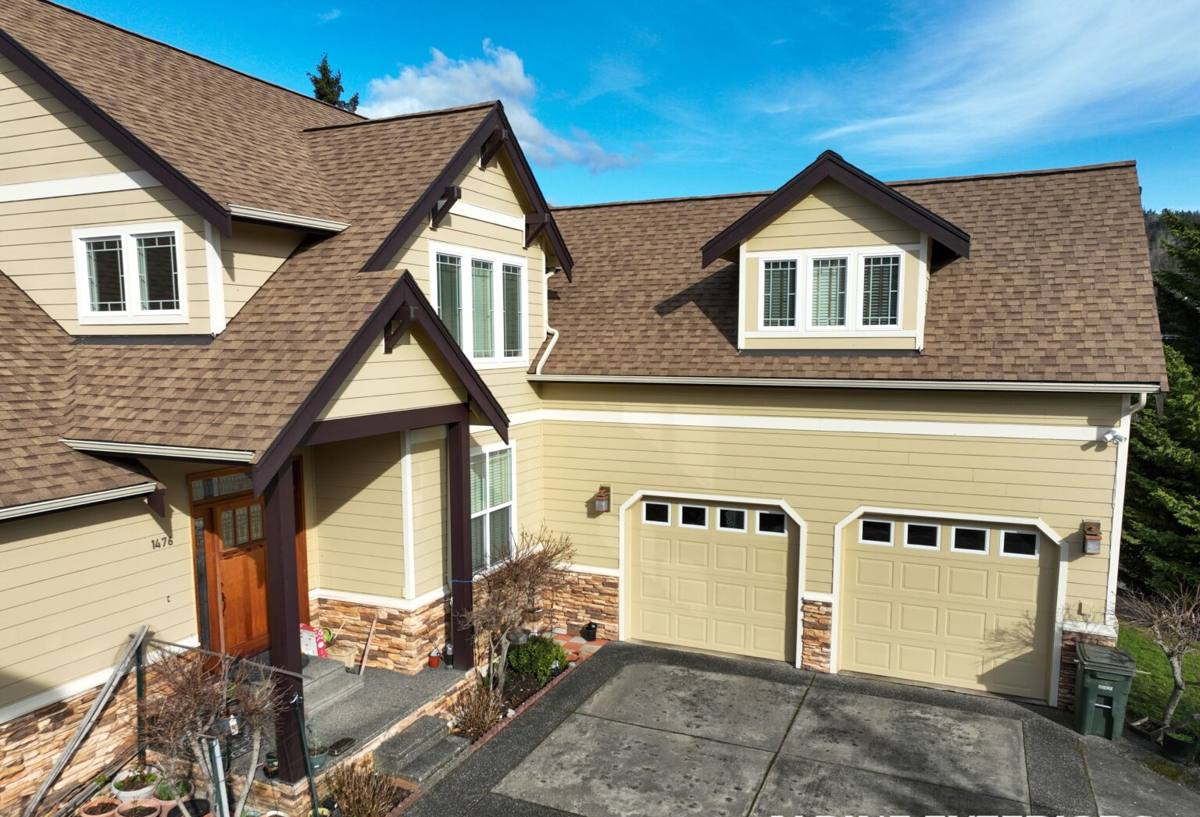
What Bellingham's Climate Does to a Deck
Three things drive most of the deck repair calls we get from this part of town:
- Salt air: Being close to the water accelerates corrosion on fasteners, joist hangers, and any exposed metal hardware. Once a fastener starts rusting, it loses grip strength and can streak or stain the wood around it.
- Driving rain: Wind-blown rain gets pushed sideways under railings, into ledger board connections, and behind fascia trim — areas that a straight-down rain would never reach. These are the spots we find hidden rot most often.
- Long moss season: Shaded, north-facing, or tree-covered decks in South Hill can stay damp for months at a stretch. Moss and algae hold moisture against the wood surface, which softens fibers, feeds rot, and makes boards dangerously slick.
None of this means a deck is destined to fail — it means a deck built or repaired without those three factors in mind usually will.
The Ledger Board: The Single Most Important Connection
The ledger board — where the deck attaches to the house — is the connection point that matters most, because it's what keeps the entire structure from separating from the building. It's also the hardest place for water to escape once it gets behind the flashing. On older or poorly flashed decks, we regularly find soft or rotted framing right at this joint, hidden behind trim that looks fine from the outside. Any deck repair that doesn't include a hands-on check of the ledger connection is skipping the part of the job that actually keeps people safe.
Signs a South Hill Deck Needs Repair
Most decks give warning signs well before anything becomes a safety issue. Worth a call if you're seeing:
- Boards that feel spongy, bouncy, or noticeably softer than the rest of the deck
- Railings or posts that wiggle or shift when you lean on them
- Persistent green or black staining that comes back shortly after cleaning
- Gaps opening up where the deck meets the house siding or foundation
- Fasteners that are rusted, backed out, or leaving dark streaks in the wood
- Stair stringers that feel uneven or make new creaking sounds
- Standing water that doesn't drain within a few hours after rain
Any one of these on its own might be minor. Two or three together usually means moisture has been working on the structure for a while.
What a Correct Deck Repair Actually Involves
A repair that just replaces the boards you can see is a cosmetic fix, not a structural one. Our process is built around finding out how far the damage actually extends before we decide what to replace versus what to reinforce.
1. Structural Inspection
We check the framing, ledger connection, posts, and footings — not just the decking surface. This is where we use a screwdriver or awl to probe suspect wood, since rot underneath a board can look completely normal from the top.
2. Hardware and Fastener Assessment
Given how quickly salt air corrodes standard hardware in this area, we check joist hangers, structural screws, and railing brackets for rust and loss of holding strength. Corroded hardware gets replaced with fasteners rated for the exposure, not swapped for the same grade that failed.
3. Moisture Path Diagnosis
Rot doesn't happen without a moisture source. We trace where water is actually getting in — bad flashing, missing gap spacing between boards, a downspout dumping near a post — because replacing wood without fixing the moisture path just resets the clock on the same failure.
4. Selective Replacement and Reinforcement
We replace what's actually compromised — sistering a joist, swapping a post base, replacing sections of decking — rather than defaulting to a full teardown when the underlying frame is sound. This keeps costs proportional to the actual damage.
5. Moss and Surface Treatment
On shaded or tree-covered decks, we address the moisture-holding conditions, not just the moss itself — improving drainage, board spacing, and airflow where we can, since scrubbing moss off without changing those conditions means it's back within a season.
Repair vs. Replacement: How We Make the Call
| Factor | Usually Repairable | Usually Needs Replacement |
|---|---|---|
| Framing / joists | Isolated soft spots, sistering possible | Widespread rot across multiple joists |
| Ledger board | Localized damage near one section | Rot along most of the ledger length |
| Decking boards | Scattered soft or cupped boards | Most boards failing at similar age |
| Posts and footings | Surface weathering, minor movement | Footing failure or post base rot |
| Railings | Loose connections, isolated cracks | Widespread looseness across the system |
As a rule of thumb, if the framing and footings are sound, repair is almost always the more cost-effective path. If the damage is concentrated in the structural bones of the deck, full or partial replacement tends to be the more honest recommendation — patching a failing frame just delays a bigger job.
Materials: What We Use and Why
For structural repairs, we use pressure-treated lumber rated for ground contact where it's called for, and stainless or coated fasteners suited to coastal exposure — standard zinc-coated hardware corrodes too quickly in this climate to be a good long-term choice near the water. For visible decking replacement, we'll talk through wood versus composite options based on your budget, sun exposure, and how much upkeep you want to take on. Composite carries a higher upfront cost but less recurring maintenance; wood costs less initially but needs more regular sealing and cleaning to hold up through Whatcom County's wet stretches. Neither is the "right" answer for every deck — it depends on how the space gets used and how much maintenance you want to do.
Our Process, Start to Finish
- Free on-site assessment — we walk the deck, check framing and hardware, and identify the actual scope before quoting anything.
- Written estimate — a clear breakdown of what's being repaired, what's being replaced, and why, so there's no ambiguity about scope.
- Scheduling — we work around Bellingham's weather windows, which matters more for deck work than most other exterior repairs since structural work needs dry conditions.
- Repair work — framing, hardware, and moisture-path fixes first, then decking, railings, and finish work.
- Final walkthrough — we go over what was done and what to watch for going forward, including any maintenance recommendations specific to your deck's sun and shade exposure.
Maintaining a South Hill Deck Between Repairs
A few habits go a long way toward stretching the life of a repair in this climate:
- Clean moss and debris out of board gaps at least once or twice a year, more often on shaded decks
- Keep gutters and downspouts directing water away from posts and footings
- Reseal or re-stain wood decking on the manufacturer's recommended schedule, not just when it looks faded
- Trim back overhanging branches to cut down on shade and debris buildup
- Check railings and stair connections for movement once a year, ideally before the wet season sets in
Why Hire a Crew That Already Works South Hill
Deck repair looks straightforward from the outside, but the diagnosis is where the real skill is. A crew unfamiliar with how Bellingham's rain and moss season behaves can miss hidden rot behind trim, underestimate how far corrosion has spread through hardware, or replace boards without addressing the moisture path that caused the damage in the first place. We work on decks across South Hill and the rest of Bellingham regularly enough to recognize these patterns quickly, which keeps your estimate accurate and your repair from needing to be redone in a few years.
If your deck has soft spots, loose railings, persistent moss, or just feels different than it used to, we're happy to take a look. Fill out the form below for a free, no-pressure estimate — we'll tell you honestly what needs fixing and what can wait.