 Bellingham Roofing
 Why Sudden Valley's Setting Is Hard on Siding
Sudden Valley sits in a wooded, lake-adjacent pocket of Whatcom County southeast of Bellingham, and that setting creates a specific set of problems for exterior siding. Tree cover blocks sun and wind, which means siding stays damp longer after every rain. Add in the driving rain that blows through this part of Whatcom County most of the fall and winter, and you get siding that rarely gets a full chance to dry out between storms.
Homes here also pick up salt-laden air carried inland off Bellingham Bay during winter weather systems, even at a distance from open water. That salt air accelerates corrosion on fasteners, flashing, and any exposed metal trim, and it compounds the damage already being done by moisture. Combine constant dampness, filtered sun, and salt exposure, and you have close to ideal conditions for moss, algae, and mildew to take hold on siding and stay there for months at a time — what we'd call a long moss season by any measure.
None of this means siding can't hold up in Sudden Valley. It means the installation has to account for these conditions from the start, not patch around them later. The products, the flashing details, and the ventilation behind the cladding all matter more here than they would on an open, sunny lot.
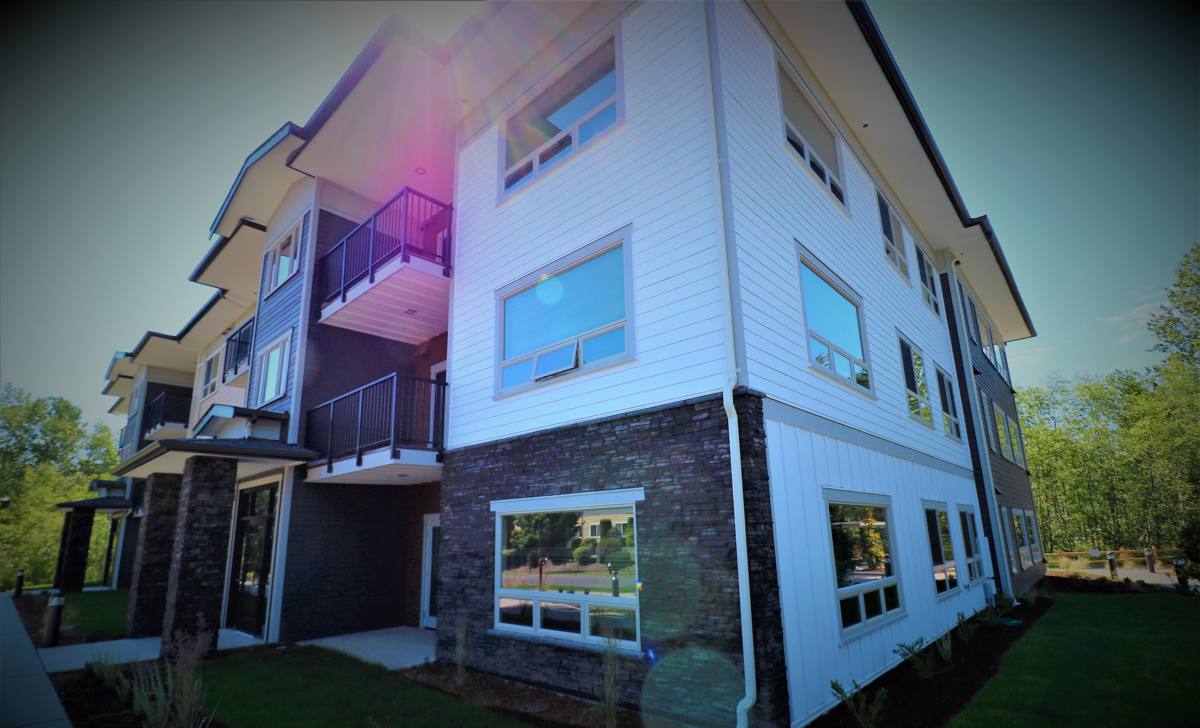
What a Correct Installation Actually Requires
Siding failures in this climate are rarely about the siding material itself — they're almost always about what's underneath it. A house wrapped and flashed correctly will shed the rain Whatcom County throws at it for decades. A house with shortcuts behind the cladding will show rot and staining within a few years, no matter how good the siding brand is.
Water-Resistive Barrier and Flashing
Every wall needs a continuous water-resistive barrier behind the siding, lapped correctly from bottom to top so water always drains outward and down. Every window, door, and penetration needs proper head, jamb, and sill flashing integrated with that barrier — not just caulk smeared over a gap. In a driving-rain climate, wind-driven water finds any shortcut in the flashing sequence, and it finds it fast.
Ground and Deck Clearance
Siding installed too close to grade, decking, or roof lines stays wet longer and wicks moisture from the ground or from splashback. We hold to manufacturer clearance minimums at grade, decks, patios, and roof-to-wall intersections, which matters more on wooded Sudden Valley lots where soil stays damp and ground cover often grows right up to the foundation.
Ventilation Behind the Cladding
A drainage plane behind the siding lets bulk water and trapped moisture vapor escape instead of sitting against the sheathing. On shaded, tree-covered lots where walls dry slowly, this ventilation gap is the difference between siding that lasts and sheathing that quietly rots behind siding that still looks fine from the driveway.
Why We Install James Hardie Fiber Cement, and Nothing Else
We standardized on James Hardie fiber cement siding for every home we side, including in Sudden Valley, and we don't install vinyl, LP SmartSide, or cedar. That's a deliberate call, not a sales pitch. Vinyl expands and contracts with temperature swings and can warp or crack in cold snaps; it also isn't designed to be painted, which limits your options if you ever want to change the look. LP SmartSide and cedar are wood-based products, and wood-based siding is inherently more vulnerable to the exact conditions Sudden Valley delivers year-round — sustained moisture, filtered sun, and heavy moss and mildew pressure.
James Hardie fiber cement is non-combustible, doesn't swell or rot the way wood-based siding can, and comes with a factory-applied ColorPlus finish that holds color and resists the fading and chalking that bare-painted siding suffers under constant damp shade. It's engineered specifically for climates like this one under Hardie's HZ10 product designation, and it carries a strong, transferable manufacturer warranty when it's installed to Hardie's written specifications — which is exactly why the installation details above matter as much as the product choice itself.
Choosing the Right Hardie Product for a Wooded Lot
Not every Hardie product line fits every home, and lot conditions in Sudden Valley — shade, tree drip lines, moss exposure — factor into what we recommend.
| Product | Best Fit | Why It Works Here |
|---|---|---|
| HardiePlank lap siding | Most home styles, straightforward walls | Widest color and texture range, proven track record in wet marine climates |
| HardieShingle siding | Homes wanting a cedar-shake look | Delivers the shingle appearance without the moisture vulnerability of real wood shakes |
| HardiePanel vertical siding | Accent walls, gables, modern facades | Clean lines that also shed water efficiently on steep gable ends |
| HardieTrim boards | Corners, fascia, window and door trim | Matches the fiber cement performance of the field siding instead of mixing in wood trim that fails first |
Darker ColorPlus tones show less visible moss staining between cleanings on heavily shaded lots, while lighter tones tend to show it sooner. We'll walk you through the tradeoffs for your specific exposure rather than just pointing you at a color chart.
Our Installation Process in Sudden Valley
Assessment and Moisture Check
We start by inspecting the existing siding, sheathing, and trim for hidden moisture damage — common on older homes in shaded, damp lots where problems can sit behind intact-looking siding for years. This tells us honestly whether we're dealing with a straightforward re-side or whether sheathing repair needs to be part of the scope.
Tear-Off and Substrate Repair
We remove the old siding down to the sheathing, replace any rotted or compromised wood, and correct any past flashing shortcuts before anything new goes on. This is the step that determines whether the new siding lasts 30-plus years or fails early for reasons that have nothing to do with the siding itself.
Install to Hardie Specification
Water-resistive barrier, flashing, fastener pattern, clearances, and panel spacing all go in to James Hardie's published installation requirements — the same requirements that keep the manufacturer's warranty valid. We don't deviate from spec to save time.
Final Walkthrough
Before we call the job done, we walk the exterior with you, check every seam, corner, and penetration, and make sure caulking and paint touch-up (where applicable) are finished cleanly.
What Siding Installation Typically Costs
Every Sudden Valley home is different, but a few factors consistently move the price up or down. We'll always give you a real number after seeing the house — not a guess off the phone.
| Factor | Why It Affects Cost |
|---|---|
| Home size and wall complexity | More square footage, gables, and corners mean more material and labor |
| Condition of the sheathing underneath | Hidden rot repair on older homes adds time before new siding can go on |
| Number of stories | Taller walls need more scaffolding or lift access, which adds labor |
| Site access and terrain | Sloped, wooded, or tight-access Sudden Valley lots can slow material staging and equipment setup |
| Trim and detail work | Extra HardieTrim at windows, corners, and fascia adds material and install time |
Living With Moss Season: A Homeowner's Checklist
Correct installation is most of the battle, but a little seasonal attention keeps Hardie siding looking its best through Whatcom County's long wet stretch.
- Rinse siding with a garden hose once or twice a year to knock off surface moss and organic buildup before it takes hold
- Keep tree branches and shrubs trimmed back from the walls so siding gets more air movement and dries faster
- Check gutters and downspouts each fall so overflow doesn't run down the siding face
- Look at caulking around windows, doors, and trim once a year and have any cracked joints resealed
- Avoid pressure washing directly at seams and edges, which can force water behind the siding instead of removing it
Why Hiring a Crew That Already Works in Sudden Valley Matters
A crew that regularly works Sudden Valley already knows the terrain, the tree cover, and the moisture patterns that shape how a house should be sided here. That's not a small thing — it means fewer surprises once tear-off starts and a more realistic estimate up front. Many homes in Sudden Valley are also part of a homeowners' association with exterior design standards, so it helps to work with a contractor who's used to coordinating siding color and material choices within those kinds of guidelines rather than finding out about them mid-project.
We're a Bellingham-based crew working across Whatcom County, and Sudden Valley's combination of tree cover, driving rain, and a long moss season is exactly the kind of climate our process and product choice are built around.
If you're weighing a siding replacement or want a second opinion on a quote you've already received, we're happy to take a look and give you a straight answer — no pressure, no obligation. Use the form below to request a free estimate.