 Bellingham Roofing
 Building a Deck That Actually Holds Up in York
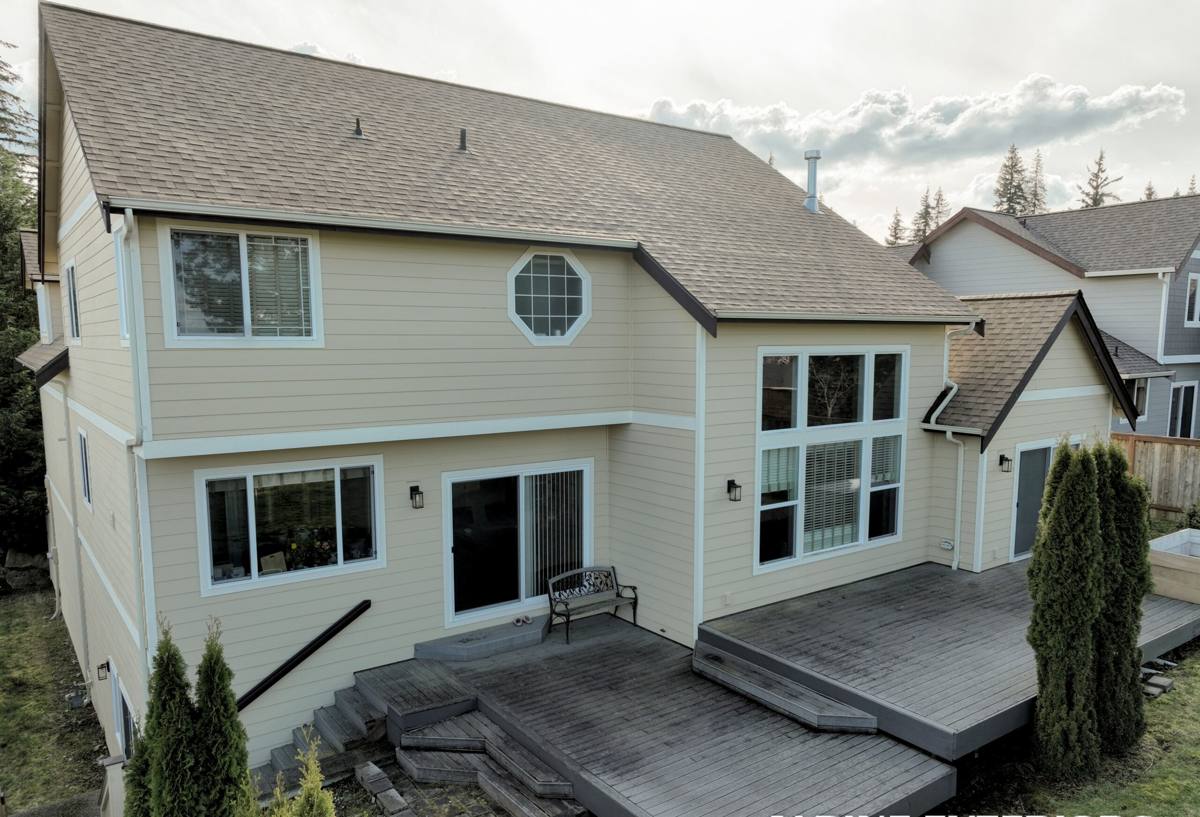
York is one of Bellingham's older, established neighborhoods, with a mix of home ages, lot shapes, and tree cover that changes how a deck performs from one property to the next. A flat backyard deck under open sky dries out differently than one tucked under mature evergreens, and a raised deck off a hillside lot has to deal with wind and drainage that a ground-level patio deck never sees. Building a deck here isn't just about picking a material and nailing down boards — it's about matching the structure, the fasteners, and the drainage plan to the specific spot it's going in.
We build and repair decks throughout Bellingham and Whatcom County, and York's combination of coastal humidity, shade, and older housing stock is a pattern we see often. That familiarity shapes how we frame, flash, and finish a deck here, and it's the difference between a deck that needs real work again in five years and one that just needs routine care.
What Bellingham's Climate Does to a Deck
Whatcom County sits close enough to the water that salt-laden air is a real factor, even well inland from the bay. Combine that with driving wind-driven rain much of the year and a moss season that can run from fall through spring, and you've got conditions that are hard on any exterior wood or metal structure. A few specific ways this shows up on decks:
- Fasteners and hardware that aren't rated for coastal exposure corrode faster, staining the wood around them and eventually losing grip strength.
- Horizontal surfaces — deck boards, stair treads, railcaps — stay damp longer under shade or tree cover, which is exactly what moss and algae need to take hold.
- Moss on decking isn't just cosmetic. It holds moisture against the wood surface and turns steps and boards slick, which is a real slip hazard on stairs and ramps.
- End grain and fastener holes are where water gets into the wood first — if those aren't sealed or capped correctly at construction, rot starts there long before the rest of the board shows damage.
- Ledger board connections (where the deck attaches to the house) are the single most common failure point we find on older decks, because that's where water collects against the house wall if flashing wasn't done right the first time.
None of this means a deck in York can't last decades. It means the build has to account for these conditions from the start rather than relying on the wood or composite material alone to fight them off.
Decking Material Options for York Homes
There's no single "best" decking material — the right choice depends on budget, how much maintenance you want to do, and how shaded or exposed the site is. Here's an honest comparison of what we typically install or discuss with homeowners in this area:
| Material | Upfront Cost | Maintenance | How It Handles Our Climate |
|---|---|---|---|
| Pressure-treated fir/pine | Lowest | Re-stain/seal every 2-3 years | Needs regular sealing or moisture and moss take hold quickly in shaded yards |
| Cedar | Moderate | Periodic oil or stain to hold color | Naturally rot-resistant and handles our humidity well, but still needs upkeep to look good |
| Composite decking | Higher | Occasional washing, no staining | Doesn't rot, but needs a surface that resists algae/moss growth in shaded, damp spots |
| PVC decking | Highest | Lowest — mostly just cleaning | Fully moisture-proof surface, best option for heavily shaded or low-airflow sites |
We don't push one product line over another. What we do insist on is matching the material to the site — a low-airflow, tree-shaded yard is a poor candidate for a decking product that traps moisture against its core, regardless of the warranty it comes with. That's a maintenance and moisture conversation we have honestly with every homeowner, not a sales pitch for whatever we have in stock.
What a Correct Deck Build Involves
Footings and Framing
Everything above ground is only as good as what's below it. Footings need to be sized and set to local frost depth and soil conditions, and framing lumber should be rated for ground contact or exterior use where it's called for. Undersized footings or framing that skips proper spacing between joists is where sagging and bounce come from years later.
Ledger Attachment and Flashing
Where the deck ties into the house, correct flashing keeps water from running behind the siding and into the wall structure — a defect that can go unnoticed for years and cause real damage. This is the detail we check most carefully on any deck attached to a house in this climate.
Drainage and Airflow Underneath
Ground-level and low-clearance decks need enough airflow underneath to let the framing dry out between rain events. On shaded York lots, we sometimes recommend gravel or grading changes below the deck, or slightly raising the structure, specifically to keep that underside from staying wet all winter.
Fasteners and Hardware
Coastal-rated, corrosion-resistant fasteners and structural hardware cost more up front but are one of the cheapest ways to add years to a deck's life. This is not an area where we cut corners to save a homeowner a small amount on materials.
Our Process for a York Deck Project
On-Site Assessment
We start by walking the site — checking sun and shade exposure, tree cover, slope, and how the deck will tie into the house. For a replacement or repair, we also inspect the existing structure for rot, hardware corrosion, and ledger issues before quoting anything.
Design and Material Discussion
We talk through decking material, railing style, and layout against your budget and how much upkeep you want to take on, being direct about the maintenance trade-offs of each option given the specific spot on your property.
Permitting
Most new decks and many deck replacements in Bellingham require a building permit through the City or Whatcom County, depending on where the property sits. We handle that process as part of the project rather than leaving it for the homeowner to sort out.
Construction
Footings, framing, decking, railing, and stairs are built in sequence with inspections at the framing stage where required. We don't skip the ledger flashing or fastener spec to save time.
Final Walkthrough
Before we call the job done, we walk the finished deck with you, point out any maintenance items specific to your site (shade patterns, drainage, moss-prone spots), and answer questions about care going forward.
Signs an Existing York Deck Needs Attention
If you've got a deck already and are wondering whether it needs repair or replacement rather than a new build, these are the things worth checking:
- Soft or spongy spots underfoot on the decking, especially near the house or stair landings
- Visible rust streaks running from screws or bolts down the face of a board
- Persistent moss or dark staining on boards that stays damp days after it rains
- Gaps, cracks, or separation where the deck meets the house siding or foundation
- Railings or stair posts that feel loose or move when pushed
- Visible daylight or rot at the ledger board where the deck attaches to the house
Any one of these can be a minor fix. Several together, especially around the ledger, usually mean it's worth having someone look at the whole structure rather than patching the visible symptom.
Permits and Code Considerations in Whatcom County
Deck permitting requirements depend on height, size, and attachment to the house, and whether your property falls under City of Bellingham or Whatcom County jurisdiction. Requirements can also touch on setback rules and, for some properties, shoreline or critical-area review given how much of this county sits near water. Sorting this out before construction starts avoids the far more expensive problem of correcting or permitting after the fact.
Why Hiring a Crew That Already Works in York Matters
A crew that regularly works in Bellingham neighborhoods like York has already seen how the local mix of tree cover, hillside grading, older housing stock, and coastal humidity plays out on a deck over time. That means fewer surprises during the build — we're not guessing at how a shaded backyard here will behave, we've built and repaired decks in conditions just like it. It also means we already understand the local permitting process and inspection expectations, so that part of the project moves without unnecessary delay.
A deck is a significant investment, and the value of hiring locally isn't sentiment — it's that the person quoting your footings, your flashing detail, and your material choice has actually dealt with what this climate does to those decisions over a few winters, not just on paper.
If you're planning a new deck or dealing with an aging one in York, we're happy to come take a look and give you a straightforward, no-pressure estimate — just fill out the form below.