 Bellingham Roofing
 Roof Repair Built for Birchwood's Conditions
Birchwood homes sit close enough to the water and tree cover that roofs here take a different kind of beating than roofs a few miles inland. You get a mix of salt-laden air moving in off Bellingham Bay, long stretches of driving rain that finds every weak seam, and a moss season that can run most of the year in the shaded, damp spots under mature trees. None of that is dramatic on its own, but stacked together over years it wears roofs down faster than most homeowners expect. A roof repair here isn't just patching a leak — it's addressing why that leak happened in this specific environment, and making sure the fix holds up to the next round of the same conditions.
Whatcom County's climate is mild compared to a lot of the country, but mild and easy on roofing are not the same thing. Roofs fail here from slow, steady moisture exposure and biological growth, not from single big storms. That changes what a correct repair looks like.
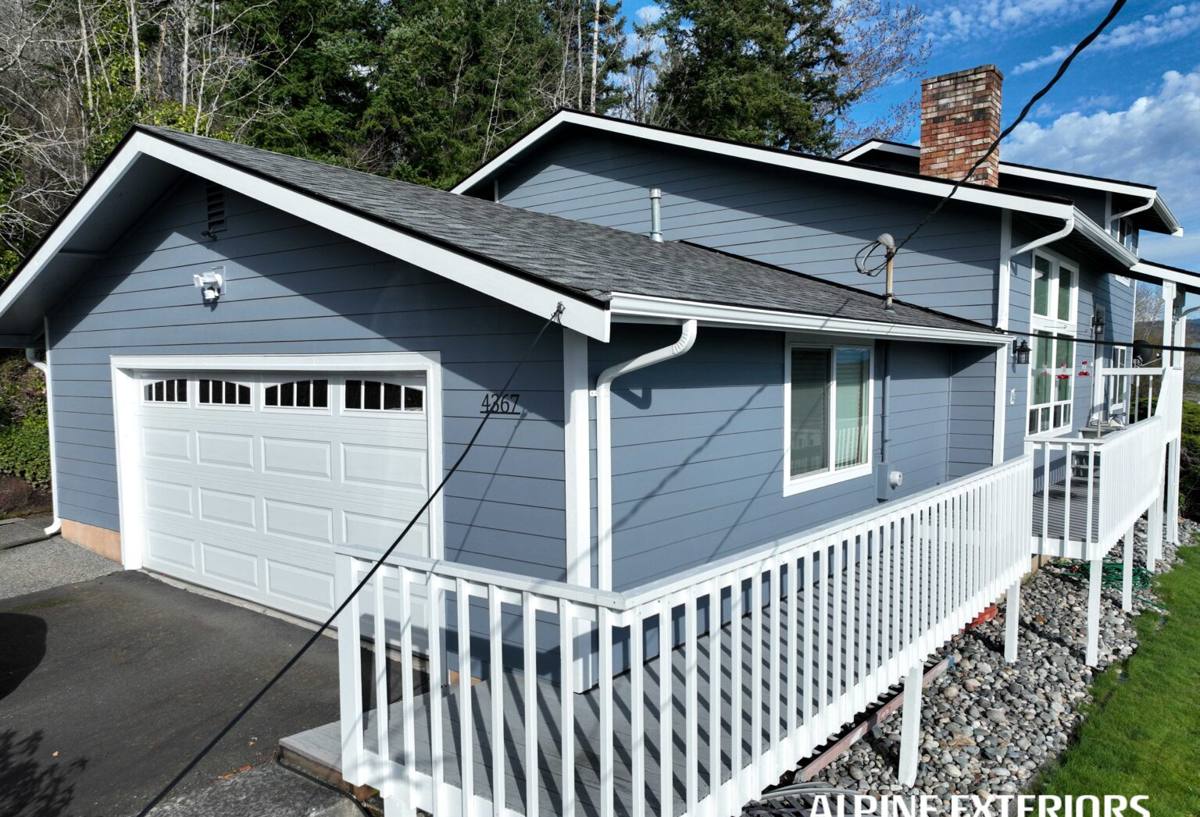
What Birchwood's Climate Actually Does to a Roof
Salt Air and Metal Fatigue
Proximity to salt water accelerates corrosion on exposed metal — flashing, fasteners, gutter hardware, and any exposed nail heads. Salt-laden air settles on these surfaces and speeds up rust, especially where the protective coating on flashing or fasteners has already been scratched or worn thin. A roof that looks fine from the ground can have flashing that's thinned out and started leaking at the seams.
Driving Rain and Wind-Driven Water
Bellingham doesn't just get rain, it gets rain pushed sideways by wind off the water. That matters because wind-driven rain doesn't behave like water falling straight down — it gets forced up under shingle edges, into valleys, and behind flashing that would otherwise shed water just fine in calmer weather. Roofs with marginal flashing or slightly lifted shingle tabs that would never leak in a dry climate will leak here.
Moss, Shade, and Slow Rot
Birchwood's tree cover keeps a lot of roof surfaces shaded and slow to dry out after rain. That's exactly the environment moss and algae need. Moss doesn't just look bad — it holds moisture against the shingle surface, lifts shingle edges as it grows, and works its way into nail holes and seams. Left long enough, the decking underneath starts to soften, and what would have been a simple shingle repair turns into a decking replacement.
Signs a Birchwood Roof Needs Repair, Not Just a Cleaning
- Dark streaking or thick moss growth concentrated on north-facing or shaded slopes
- Granules collecting in gutters or at downspout outlets, especially after a windy rain
- Soft or spongy spots when walked (only assessed by a professional — never test this yourself)
- Rust staining below metal flashing, vents, or valleys
- Water stains on interior ceilings that show up only during wind-driven storms, not calm rain
- Shingle tabs that look slightly lifted or curled at the edges, particularly near eaves
- Visible daylight or gaps at flashing joints around chimneys, skylights, or dormers
Some of these are cosmetic on their own. Together, or left unaddressed through another wet season, they're how small problems turn into deck damage and interior repairs.
What a Correct Repair Actually Involves
A roof repair done right in this climate isn't just swapping a shingle or squeezing in a tube of sealant. It starts with figuring out the actual water path — where water is entering, not just where it's showing up inside the house, since wind-driven rain can travel sideways under roofing material before it finds a gap to drip through.
Assessment
We look at the full roof plane, not just the spot where a stain appeared. Flashing at valleys, chimneys, vents, and dormers gets checked for rust, gaps, and proper lap direction — flashing installed or aged to the point where laps run the wrong way is a common source of quiet leaks that only show up in driving rain.
Decking Condition
Where moss or long-term moisture has been present, we check the decking underneath, not just the shingles on top. Soft decking has to be replaced before new roofing goes back down — patching over compromised decking is a short-term fix that fails again within a season or two.
Matching Materials
Repairs use materials that match the existing roof's age and type as closely as possible. Mismatched shingle color or profile is a cosmetic issue; mismatched flashing metal or underlayment compatibility is a performance issue, since dissimilar metals in contact with each other can accelerate corrosion — a real concern this close to salt air.
Sealing and Fastening
Fasteners and sealants used need to hold up to repeated wet-dry cycles and salt exposure, not just look sealed on install day. We don't rely on surface sealant alone where a mechanical fix (proper flashing, correct shingle overlap, corrected fastening) is the actual long-term answer.
Repair vs. Replacement: How We Help You Decide
| Factor | Points Toward Repair | Points Toward Replacement |
|---|---|---|
| Roof age | Under 15 years, or recently replaced in the affected area | Nearing or past the material's expected service life |
| Decking condition | Solid, dry decking under the problem area | Soft or delaminated decking found on inspection |
| Extent of moss/algae | Isolated to one or two shaded slopes | Widespread across most roof planes |
| Number of past repairs | First or second repair on this roof | Repeated patch jobs in the same area over the years |
| Flashing condition | Flashing sound, issue is isolated shingle damage | Flashing rusted through or undersized for the roof design |
Most of the time, a Birchwood roof in reasonably good shape can be repaired correctly and get several more years of solid service. We'll tell you honestly when a repair is the right call and when it's just delaying a replacement you'll need anyway — we'd rather lose a bigger job than sell you a repair that won't hold.
Our Process for Birchwood Roof Repairs
- On-site inspection — we walk the roof (weather permitting) and check attic access where possible, since interior moisture signs often tell us more than the exterior surface does.
- Honest assessment — you get a plain explanation of what's actually wrong, why it's happening in this location, and what it will take to fix it correctly.
- Written estimate — clear scope of work, so you know exactly what's being repaired and why, with no surprise add-ons once work starts.
- The repair itself — matched materials, correct flashing technique, and attention to the specific failure point, not a generic patch.
- Cleanup and check — debris cleared, and we confirm the fix addresses the original complaint before we consider the job done.
Moss and Debris Maintenance: Prevention Between Repairs
Because Birchwood's tree cover and moisture combine to keep moss coming back, a repair holds up longer when it's paired with regular maintenance rather than treated as a one-time fix. That doesn't mean aggressive pressure washing, which can strip granules and shorten shingle life — it means gentle moss treatment, keeping gutters and valleys clear of needle and leaf buildup, and catching new growth before it works its way under shingle edges again.
- Clear gutters and valleys of debris at least once, ideally twice, a year given the tree cover common in this area
- Treat moss with appropriate low-pressure methods rather than harsh pressure washing
- Trim back overhanging branches where practical to reduce shade and debris load on the roof
- Have flashing and seals checked periodically, especially after any major windstorm off the bay
Why a Crew That Already Works Birchwood Matters
A roof repair crew that's worked other homes in this neighborhood already knows which roof styles and ages tend to show moss first, how the local wind pattern drives rain into certain valleys and eaves, and what flashing details tend to fail after years of salt exposure. That's not something you get from a general repair checklist — it's built from actually being on Birchwood roofs and seeing the same climate factors play out on different homes. It means less time spent diagnosing and more time spent on the actual fix, and a better sense of when a small repair is genuinely enough versus when it's the first sign of something bigger.
We also know Bellingham and greater Whatcom County well enough to talk through the tradeoffs honestly — what's worth fixing now, what can reasonably wait, and what a repair will and won't solve. That's the kind of judgment that only comes from consistent local experience, not a one-size-fits-all repair script.
Get a Straight Answer on Your Roof
If you're seeing moss buildup, a slow leak, or just want a second set of eyes on a roof that's due for a look, we're happy to come take a straightforward look and give you an honest read on what it needs. There's no pressure and no obligation — just a clear assessment and a written estimate for the free, no-pressure estimate form below.