 Bellingham Roofing
 Why Siding Repair Looks Different in Cordata
Cordata sits in north Bellingham, close enough to Bellingham Bay and the Salish Sea that homes here deal with a mix of moisture-laden marine air, driving rain off the water, and a moss season that runs far longer than most parts of the country ever see. None of that is dramatic on any single day. It's the accumulation — years of damp air working into seams, rain hitting siding sideways during a windy front, moss and algae holding water against a wall surface for months at a stretch — that turns small, ordinary wear into the kind of damage that actually needs a repair crew.
That's the piece homeowners in Whatcom County often don't expect: siding repair here isn't usually about one big obvious event. It's about catching the slow stuff before it becomes expensive. A short section of caulk failing at a window trim, a corner where paint keeps peeling no matter how many times it's redone, a patch of siding that stays damp and green longer than the rest of the wall — those are the calls we get, and they're almost always more serious underneath than they look from the driveway.
This page covers what actually damages siding on Cordata homes, how a repair should be diagnosed and done correctly, and why it matters to hire a crew that already knows this neighborhood rather than one working here for the first time.
What Actually Damages Siding in Cordata
Salt Air and Moisture-Laden Wind
Homes in and around Bellingham sit close enough to the water that salt-tinged, humid air is a constant rather than an occasional visitor. That air doesn't just sit on the surface — it works into fastener heads, caulk joints, and any place the siding's outer layer has already been compromised, whether that's a hairline crack in paint or a nail that's backed out slightly. Metal trim, flashing, and fasteners are usually the first casualties, and once those start corroding, the siding around them loses its protection faster than the rest of the wall.
Driving Rain and Wind-Driven Water
Ordinary rainfall runs down a wall and off. Driving rain, pushed sideways by wind off the bay, behaves differently — it gets forced up under laps, into seams, and behind trim in ways gravity-fed rain doesn't. Whatcom County gets plenty of both kinds of rain over a year, and it's the wind-driven variety that tends to find the gaps a straightforward inspection from the ground would miss. This is a major reason water damage on Cordata homes so often shows up first at corners, window and door trim, and anywhere two different materials or planes meet.
A Long Moss and Algae Season
Bellingham's mild, wet climate keeps conditions right for moss and algae growth for most of the year, not just a few damp months. Shaded walls, north-facing exposures, and areas under trees are especially prone to sustained growth. Moss and algae don't just look bad — they hold moisture directly against the siding surface for extended periods, which accelerates paint failure, wood decay where wood trim is present, and, on some materials, surface degradation that wouldn't happen nearly as fast on a wall that dries out between rain events.
Temperature Swings and Caulk Fatigue
Whatcom County doesn't see extreme heat, but the swing between damp, cool nights and warmer daytime temperatures still puts real cyclical stress on caulk and sealant joints over years of exposure. Caulk that's lost its flexibility cracks at exactly the joints it was meant to protect — trim boards, window flanges, and butt joints between siding courses — and once that seal opens up, every other issue on this list gets a direct path into the wall.
Cosmetic Wear vs. Real Damage
Not every mark on a wall means a repair is overdue, and telling the difference correctly is the actual job of a proper inspection before any work is scoped.
| Symptom | Usually Cosmetic | Often Real Damage |
|---|---|---|
| Light moss or algae film on the surface | Yes — routine cleaning usually resolves it | Only if it's been present for years without cleaning |
| Peeling or bubbling paint in one spot | Rarely on its own | Often — usually points to moisture trapped behind the surface |
| Cracked or missing caulk at trim joints | No — this is an open path for water | Yes, and it typically worsens fast once open |
| Soft or spongy siding when pressed | No | Yes — indicates moisture damage requiring repair, not just cleaning |
| Staining or dark streaking below trim or seams | Cosmetic if isolated and dry | Can indicate a slow leak feeding it from above |
| Slight fading or chalking of the finish | Yes — typical UV and weathering wear | Rarely on its own |
Cosmetic wear affects appearance and can generally wait for routine maintenance. Anything involving soft material, active staining tied to a specific point of entry, or open caulk joints shouldn't be deferred, because those are the conditions that let moisture keep working behind the siding out of sight.
How We Diagnose a Repair Before Recommending Anything
A repair estimate that's worth trusting starts with an actual inspection, not a guess based on what's visible from the ground. That typically includes:
- Checking window and door trim, corners, and butt joints first, since these are the most common entry points for wind-driven rain
- Pressing on siding in suspect areas to feel for soft spots that indicate moisture damage beneath the surface
- Looking behind and around moss or algae growth rather than just noting that it's present, since growth often masks the condition underneath
- Checking flashing above windows, at roof-to-wall transitions, and at any trim board for gaps or failure
- Assessing caulk and sealant condition at every joint, not just the ones that look obviously cracked
- Identifying what material is actually installed, since repair approach and material availability differ significantly between fiber cement, vinyl, wood, and engineered wood siding
We walk through what we actually find — what needs attention now, what can be monitored, and what's purely cosmetic — before recommending any scope of work, and we'll say plainly if a section doesn't need repair yet.
Repair vs. Replace: How That Decision Actually Gets Made
Homeowners often assume a repair call means either a quick patch or a full re-side, when the honest answer usually sits somewhere between those two. The factors that actually drive this decision:
- Extent of moisture damage. Damage isolated to a section — a corner, a run below a failed piece of flashing — is usually a legitimate repair. Moisture damage spread across multiple walls often means the underlying water management failed broadly, and chasing it section by section rarely holds up.
- Age and material of the existing siding. Some materials, particularly older wood or certain engineered wood products, reach a point where repair only buys a short amount of time before the next section fails. We'll say so directly rather than recommending a patch we don't expect to last.
- Whether a color or profile match is realistic. Matching an existing product — especially a discontinued line or faded original finish — isn't always possible. When it isn't, we'll explain that trade-off before starting, not after.
- What caused the damage in the first place. If the cause is a single failed flashing detail or a section of bad caulk, repairing that source and the damage it created is usually sufficient. If the cause is systemic — undersized water management for this climate, or a material that hasn't held up well against Whatcom County's rain and moss exposure — repair is a temporary fix, not a real solution.
What a Correct Repair Involves
Matching Materials to What's Already There
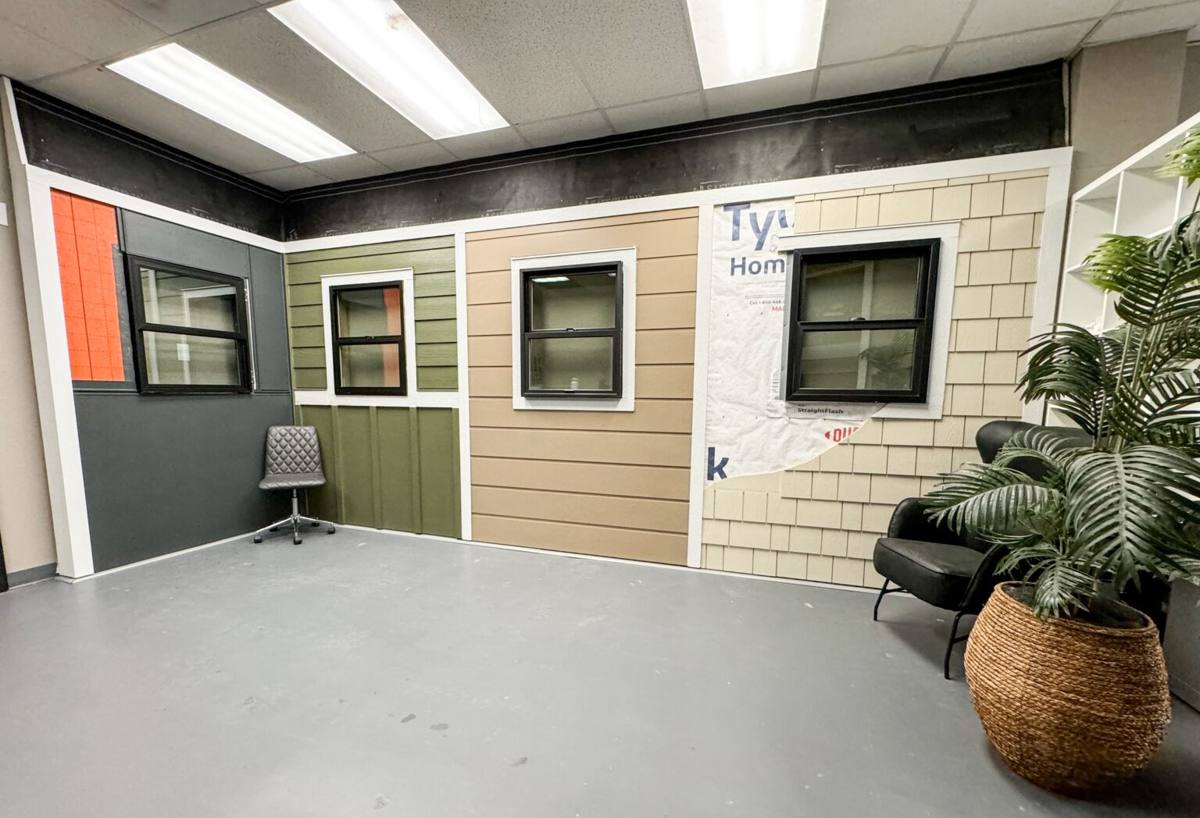
Repair work means working with the siding that's already installed, whether that's fiber cement, vinyl, wood, or an engineered wood product. Matching board profile, exposure, and finish keeps a repair from reading as an obvious patch. On fiber cement specifically, matching factory-finished color is far more reliable than matching a field-painted finish, which is one of several reasons we install James Hardie's ColorPlus finish on any new work — it holds color consistently enough that future repairs, if ever needed, blend in far more predictably.
Addressing the Moisture Source, Not Just the Symptom
A soft or stained section of siding is a symptom. Failed flashing, an open caulk joint, or a grading issue directing water at the wall is usually the actual cause. A repair that replaces the visibly damaged material without correcting what let moisture in behind it tends to fail again in roughly the same spot — often sooner the second time, since the underlying path was never closed off.
Flashing and Water Management Details
Anywhere siding meets a window, door, roofline, or another material is a place water management depends on correct flashing, not just caulk alone. Caulk is a maintenance item that degrades over years; flashing, installed correctly, is the actual water barrier. Repairs that skip reinstalling flashing correctly and rely on caulk to do that job tend to be the ones that come back.
When a Repair Uncovers a Bigger Problem
Sometimes opening up a damaged section reveals more extensive moisture damage to sheathing or framing behind the siding than the surface suggested — this happens more often on homes with wood or older engineered wood siding, materials that are more sensitive to sustained moisture exposure than fiber cement. When that happens, we'll walk through it honestly: what a targeted repair can realistically fix, and what would actually mean replacing that section, or eventually the wall, with a product built for this climate. We install only James Hardie fiber cement on replacement work, engineered specifically for Pacific Northwest moisture exposure, because it's the product we're willing to stand behind in conditions like Cordata's.
Maintenance That Extends a Repair's Lifespan
- Clean moss and algae growth off siding on a regular schedule rather than letting it establish over multiple wet seasons
- Trim back branches and landscaping that shade walls and keep them from drying out between rain events
- Check caulk at trim, corners, and window flanges once or twice a year and recaulk before joints fully open up
- Keep gutters and downspouts clear so overflow isn't running down or pooling against siding it wasn't meant to handle
- Address soft spots, active staining, or peeling paint promptly rather than waiting for it to spread to adjacent sections
- Have a professional look at flashing details after any major windstorm, since that's when trim and flashing are most likely to shift or loosen
Why It Matters That We Already Work Cordata
A crew that occasionally works this side of Bellingham can still do competent repair work, but a neighborhood like Cordata has patterns that show up more reliably when a crew has actually worked here repeatedly — which walls tend to hold moss longest, how wind-driven rain typically behaves given the area's exposure, and what condition to expect from siding of a given age and material on homes built during particular local development periods. Working this neighborhood regularly means we're not learning those patterns on your project. We know what to check first, what usually turns out to be the real cause of a given symptom, and how to scope a repair that actually holds up through another Whatcom County wet season rather than needing a follow-up call next year.
That familiarity also means a more accurate estimate the first time, with less back-and-forth once work is underway, because the inspection already accounts for how this specific environment behaves rather than applying a generic checklist to it.
Get an Honest Look at Your Siding
Whether you're dealing with one specific trouble spot or want a straight assessment of where your siding actually stands before another wet season sets in, we're glad to take a look and tell you plainly what we find — including if the honest answer is that it doesn't need much yet. Reach out below for a free, no-pressure estimate.