 Bellingham Roofing
 Building Decks for Edgemoor's Wooded, Waterfront-Influenced Lots
Edgemoor sits close enough to Bellingham Bay that salt-laden air reaches almost every property, and the mature tree canopy that makes the neighborhood so desirable also means many decks sit in partial shade for a large part of the year. That combination — salt exposure plus shade plus Whatcom County's long, wet winters — is harder on a deck than open, sunny lots see elsewhere in Bellingham. A deck built the same way you'd build one in a dry inland climate will show problems here years before it should: soft spots at the ledger board, black streaking on the boards, moss creeping across the surface, and fasteners bleeding rust through the finish.
None of that is inevitable. It's a design and materials problem, and it's one we deal with on every Edgemoor project. This page walks through what actually matters for a deck in this specific setting, not generic deck-building advice.
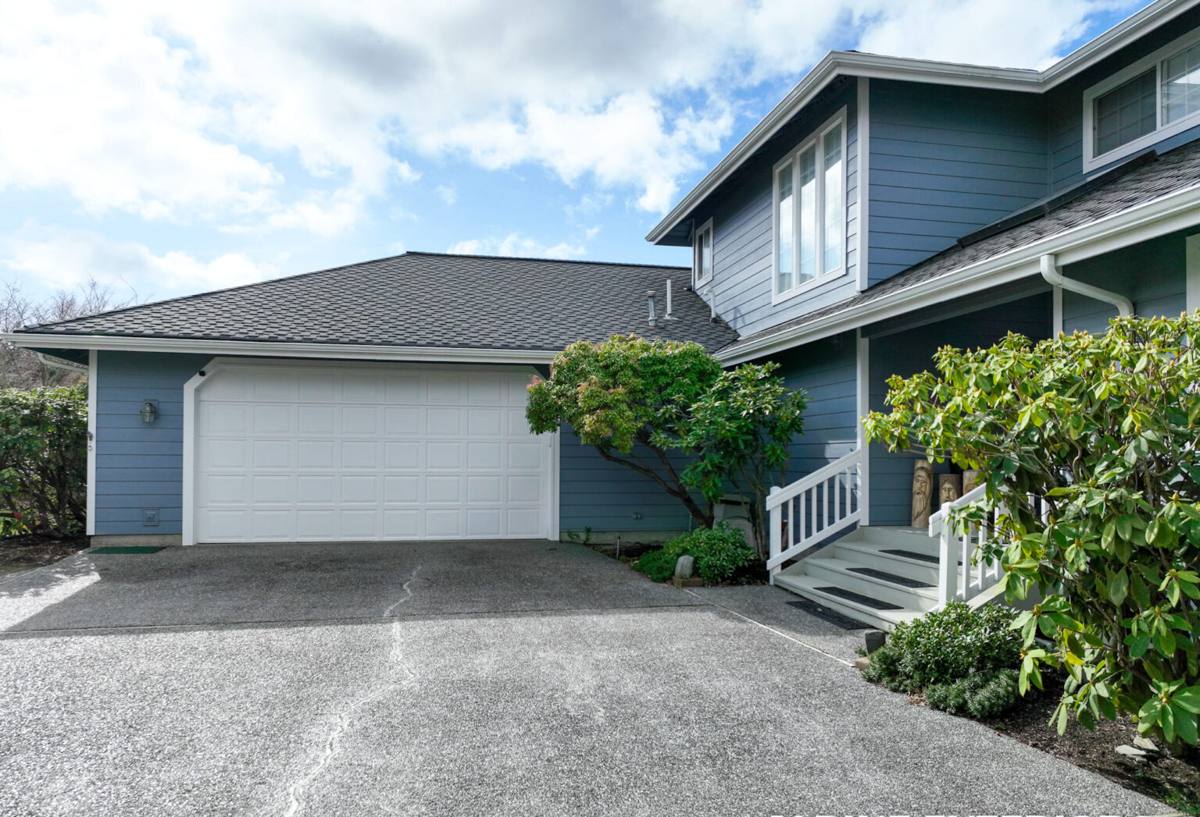
What Bellingham's Climate Does to an Ordinary Deck
Salt Air and Metal Fatigue
Airborne salt accelerates corrosion on anything metal — fasteners, joist hangers, post bases, railing hardware. On a standard-grade deck, that shows up as rust stains bleeding through the decking within a few seasons and, eventually, fasteners that lose their holding strength. It's a slow problem, which is exactly why it gets ignored until a board comes loose.
Driving Rain and Hidden Moisture
Rain here doesn't just fall — wind off the bay drives it sideways into ledger connections, under railing posts, and into any gap in the flashing. A deck that looks dry on the surface can be staying wet underneath for days after a storm, which is where rot actually starts.
Moss Season
Shaded, moisture-retentive surfaces in Whatcom County grow moss for a good stretch of the year, not just a few weeks. On a deck, moss isn't just cosmetic — it holds moisture against the board surface, it's slick and genuinely dangerous underfoot on stairs and ramps, and it accelerates whatever wood decay process is already underway.
What a Correctly Built Deck Needs Here
- Stainless steel or heavy-coated fasteners rated for coastal/marine exposure, not standard exterior-grade screws
- Fully flashed ledger connections with self-adhering waterproof membrane, not just caulk
- A gapped, ventilated framing layout that lets air move underneath instead of trapping moisture
- Footings sized and set for the site's actual soil and slope, not a one-size assumption
- Decking material chosen for how it performs in shade and damp, not just how it looks in a showroom
- Drainage detailing so water sheds off the deck surface and out from under it, rather than pooling
Choosing a Decking Material for Shade and Salt Air
There's no perfect material — every option is a trade-off between upfront cost, maintenance commitment, and how it handles Edgemoor's specific conditions. Here's how the common choices actually compare in this setting:
| Material | Moss/algae resistance | Maintenance | Typical lifespan here | Cost range |
|---|---|---|---|---|
| Cedar | Fair — needs regular cleaning and re-sealing to resist moss in shaded areas | High — annual cleaning, periodic staining/sealing | 15-20 years with upkeep | $$ |
| Pressure-treated fir/pine | Poor to fair in shade without diligent maintenance | High | 10-15 years | $ |
| Composite decking | Good — capped composites resist moss buildup better than wood | Low — occasional washing | 25-30 years | $$$ |
| PVC decking | Very good — non-organic surface, least hospitable to moss | Low | 30+ years | $$$$ |
We're upfront with Edgemoor clients: in a shaded, damp lot, wood decking will need real maintenance discipline to look and perform the way it did on day one. Composite and PVC cost more up front, but the reduced maintenance burden and better moss resistance often make more sense for lots with heavy tree cover — that's an honest trade-off conversation, not a sales pitch for the priciest option.
A Note on Fasteners and Hardware
Whatever decking material you choose, we treat the hardware as its own decision. In salt-air exposure, we spec fasteners and structural connectors built for coastal use rather than the standard exterior-rated hardware that's fine further inland. It costs a little more and it's the difference between hardware that's still sound in fifteen years and hardware that's staining the deck by year three.
Framing and Substructure: Where Deck Failures Actually Start
Almost every deck problem we get called out to inspect traces back to the framing, not the decking boards on top. The ledger board — where the deck attaches to the house — is the single most important connection on the entire structure, and it's also the one most commonly under-flashed. Water that gets behind an improperly flashed ledger doesn't dry out; it sits against the house rim joist and starts rot that's invisible until the deck is already failing.
On sloped or wooded Edgemoor lots, footings deserve the same attention. Soil conditions vary lot to lot, and a footing that's undersized or poured without accounting for the site's drainage will settle unevenly over time, which shows up later as a deck that's subtly out of level or a railing post that's started to lean.
Our Process for an Edgemoor Deck Project
- Site walk and honest assessment — we look at sun exposure, tree cover, drainage patterns, and existing structure (if replacing a deck) before recommending anything.
- Design and material conversation — we lay out the real trade-offs between wood and composite/PVC for your specific lot, with no pressure toward the most expensive option.
- Permitting — we handle the permit application and inspections through the appropriate local jurisdiction so you don't have to navigate that alone.
- Framing built for the site — flashed ledger, coastal-rated hardware, footings sized for your soil, and a ventilated substructure.
- Decking installation — precise fastening and spacing so the deck sheds water correctly and doesn't trap moisture at the seams.
- Walkthrough and maintenance guidance — we tell you plainly what upkeep your specific material and site will actually require, not a generic care sheet.
Permits and Local Considerations
Deck projects in and around Bellingham typically require a permit, and depending on the property's location relative to the shoreline, additional review may apply. Requirements vary by lot, by height and size of the structure, and by jurisdiction, so we don't guess — we confirm what's needed for your specific address before work starts and handle the paperwork as part of the job. Whatcom County properties near the water sometimes carry extra setback or shoreline considerations, which is one more reason to loop in a builder who checks rather than assumes.
Living With a Shaded Deck: Realistic Maintenance
Even the best-built deck in a wooded, coastal-influenced spot benefits from some routine attention. This isn't about scaring anyone into a maintenance contract — it's what actually keeps a well-built deck performing for decades instead of one:
- Sweep leaves and debris off the surface regularly, especially in fall — trapped organic material is what feeds moss and mildew
- Rinse or lightly scrub the deck surface once or twice a year to interrupt moss growth before it establishes
- Check railing posts and stair connections annually for movement, especially after a hard winter
- Keep gutters and downspouts near the deck clear so runoff isn't dumping extra water onto or under the structure
- For wood decking, plan on re-sealing on the schedule the product actually requires in a shaded site — often more frequent than the label assumes for sunnier climates
Why It Matters to Hire a Crew That Already Works in Edgemoor
Edgemoor's mix of mature trees, sloped lots, and proximity to the bay means the right approach here is often different from what works on a flat, open lot elsewhere in Bellingham. A crew that's built decks throughout this neighborhood already knows to check for shade patterns before recommending a material, to size footings for the soil conditions common to these lots, and to spec hardware that won't be bleeding rust in three years. That's knowledge you can't get from a general contractor who's never worked this specific stretch of coastline and tree cover.
It also means fewer surprises during the project itself — access on wooded, sloped properties, tree protection during construction, and coordination with the permitting requirements that actually apply to this area.
Questions Worth Asking Before You Hire
- Do you carry current liability insurance and workers' compensation coverage?
- Will you pull the permit and handle inspections, or is that left to me?
- What fasteners and hardware do you use, and are they rated for coastal/salt-air exposure?
- How do you flash the ledger board connection to the house?
- Can you walk me through the honest maintenance schedule for the material you're recommending?
- Have you built decks elsewhere in Edgemoor or similar wooded, waterfront-adjacent neighborhoods?
If you're planning a new deck or replacing one that's showing its age in Edgemoor, we're happy to walk the site with you and talk through what actually makes sense for your lot's sun, slope, and exposure. Reach out for a free, no-pressure estimate using the form below.