 Bellingham Roofing
 Storm Damage Roofing in Birchwood: What Local Homes Are Up Against
Birchwood sits close enough to the water and the lowland weather patterns that roll through Whatcom County that its roofs take a different kind of beating than homes further inland or up in elevation. It's not usually one dramatic storm that causes the damage homeowners call us about — it's the accumulation. A windstorm loosens a ridge cap in November, salt-laden air off the bay slowly corrodes exposed fasteners through the winter, and a wet spring lets moss get a foothold in the granule loss left behind. By the time a leak shows up on the ceiling, the roof has usually been compromised for months.
This page is about one thing: storm damage roof repair for Birchwood homes specifically, done by a crew that treats the cause of the damage — not just the symptom.
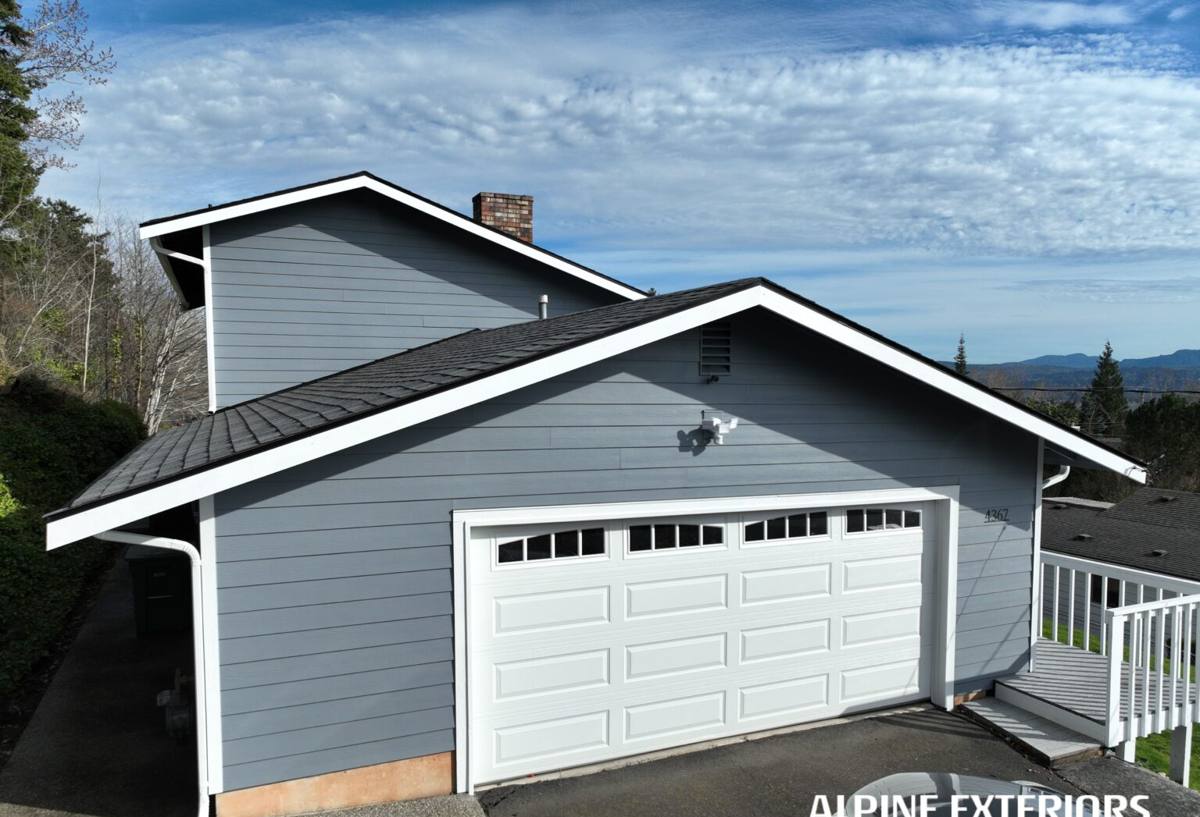
Why Bellingham's Climate Makes Storm Damage Worse Here
Three regional factors show up again and again when we're diagnosing storm damage on Birchwood roofs:
- Salt air: Proximity to Bellingham Bay means metal flashing, fasteners, and gutter hardware corrode faster than the same materials would inland. Corroded fasteners back out or fail during wind events, which is often what turns a minor storm into a real leak.
- Driving rain: Storms here rarely come straight down. Wind-driven rain finds any gap in flashing, underlayment, or shingle seal and pushes water sideways and uphill under the roofing material — damage a homeowner can't see from the ground or even from a ladder.
- A long moss season: Whatcom County's mild, wet stretch runs long enough that moss and moisture-loving growth get established on north-facing and shaded slopes almost every year. Moss holds water against the roof surface, lifts shingle edges, and accelerates the exact kind of granule and seal loss that makes a roof vulnerable the next time wind and rain hit together.
None of these factors cause damage on their own overnight. They weaken a roof's defenses so that an ordinary storm does damage a healthy roof would have shrugged off.
Signs of Storm Damage Worth Having Checked
Most storm damage isn't obvious from the driveway. Here's what we typically find when we inspect a Birchwood roof after a wind or rain event:
From the ground
Shingles or shakes that look out of alignment, granules collecting in gutters or at downspout outlets, visible moss or dark streaking on north-facing slopes, and any sagging along the roofline.
On the roof
Lifted or creased shingle tabs, cracked or displaced ridge caps, flashing pulled away from chimneys, vents, or skylights, and soft or spongy spots underfoot that indicate saturated decking.
Inside the attic
Water staining on the underside of the roof deck, damp or discolored insulation, and daylight visible where there shouldn't be any. Attic checks catch damage weeks before it ever reaches a ceiling.
What a Correct Storm Damage Repair Actually Involves
A lot of storm repair work in this region gets done as a quick patch — a bead of sealant over a lifted shingle, a few new nails, done. That approach doesn't hold up against another season of driving rain and salt air, and it almost never addresses moisture that's already gotten under the surface.
A repair done right starts with finding out how far the damage actually extends, not just where it's visible. That means checking the underlayment and decking under the damaged area, not just the shingles or shakes on top. It means matching replacement material to what's already on the roof so the repair doesn't stand out or create a mismatched wear pattern down the road. And it means addressing whatever let the damage happen in the first place — corroded fasteners, moss buildup, failed flashing seals — so the same spot doesn't fail again next winter.
Materials matter more in this climate
Given the salt air and moisture exposure typical of Birchwood's location, we're selective about fastener and flashing materials on repair work. Standard galvanized fasteners can corrode faster than the roofing system around them in this environment, which is a maintenance headache we'd rather avoid than explain to a customer in three years. We use corrosion-resistant fasteners and flashing appropriate for coastal-influenced conditions as standard practice on repair work, not as an upsell.
Our Storm Damage Repair Process
- Inspection: A full roof and attic assessment, not just a look at the spot you called about. Storm damage often shows up in more than one place.
- Documentation: Clear notes and photos of what we find, useful whether you're paying out of pocket or filing an insurance claim.
- Honest scope: We tell you plainly whether this is a repair or whether the damage (or the roof's overall condition) means a repair won't hold. We don't pad a repair into a replacement, and we don't patch over damage that needs more.
- The repair: Matched materials, corrosion-resistant fasteners, proper flashing integration, and underlayment repair where water has gotten underneath — not just a surface patch.
- Cleanup and check: Gutters and downspouts cleared of storm debris and displaced granules so water can actually drain the way the roof is designed to.
Storm Damage and Insurance Claims
Many storm damage repairs in Whatcom County involve an insurance claim, and the documentation from a professional inspection matters for that process. We provide the kind of detailed notes and photos an adjuster needs to see — extent of damage, likely cause, and what repair is required. We're not a public adjuster and we don't negotiate your claim for you, but we make sure the roofing side of the paperwork is accurate and complete, which is often what determines whether a claim goes smoothly or drags on.
Repair vs. Replacement: What Actually Determines the Right Call
Storm damage doesn't automatically mean a full roof replacement, but it doesn't automatically mean a small patch either. These are the factors that actually drive the decision:
| Factor | Favors Repair | Favors Replacement |
|---|---|---|
| Age of roof | Under 10–15 years, or well-maintained | Near or past expected service life |
| Extent of damage | Isolated to one slope or section | Spread across multiple slopes or the whole roof |
| Decking condition | Dry, solid decking under the damaged area | Soft, saturated, or rotted decking found on inspection |
| Moss/moisture history | Isolated growth, addressed early | Long-term moss damage across large roof areas |
| Prior repairs | First significant repair on the roof | Repeated patch jobs in the same areas over the years |
We walk you through where your roof falls on each of these before recommending a direction — the goal is the right call for your roof, not the bigger job.
Why a Crew That Already Works Birchwood Matters
A roofer who works Birchwood and the surrounding Bellingham neighborhoods regularly has already seen how this specific stretch of coastline treats roofing material over time. That's not a marketing line — it's practical. It means we're not guessing at how salt exposure will affect a fastener choice, or surprised by how aggressively moss establishes itself on a shaded north slope near the water. It means we can look at a damaged section and have a realistic sense of what's happening underneath before we even get up on the roof, because we've opened up enough similar roofs in this area to know the pattern.
It also means faster response after a storm. When wind events hit Whatcom County, a crew that already knows the neighborhood and isn't driving in from across the county can typically get a tarp on an exposed roof and a proper repair scheduled sooner — and the days right after a storm are when a compromised roof is most vulnerable to further water damage.
After the Repair: Keeping Storm Damage From Coming Back
A good repair is only half the equation in this climate. Simple upkeep between now and the next storm season goes a long way:
- Keep gutters and downspouts clear so storm runoff actually drains instead of backing up under roof edges
- Have moss growth addressed before it spreads across a full slope, not after
- Trim back overhanging branches that drop debris and keep shaded areas damp longer
- Schedule a roof check after any significant wind event, even if nothing looks obviously wrong from the ground
- Address small flashing or fastener issues promptly — they're inexpensive to fix early and expensive to ignore
If your Birchwood home has visible storm damage, a leak you can't quite locate, or you just want a roof checked after a recent windstorm, we're happy to take a look. Estimates are free and there's no pressure to move forward — use the form below to get started.