 Bellingham Roofing
 Why Lynden Roofs Wear on a Different Timeline
Lynden sits inland from Bellingham Bay, but the same marine weather pattern that defines the rest of Whatcom County still reaches it. Moist air moves off the Salish Sea and settles over the Nooksack Valley for days at a time, and that steady dampness is harder on a roof than any single storm. Shingles here don't usually fail because of one bad event — they fail because they spend more of the year wet than dry.
That combination of driving rain, humidity, and shade from mature fir and cedar trees is exactly why moss and algae growth is a year-round conversation for local homeowners rather than a seasonal nuisance. A roof replacement in this area has to be built with that reality in mind from the first layer down, not treated as an afterthought once shingles are already on.
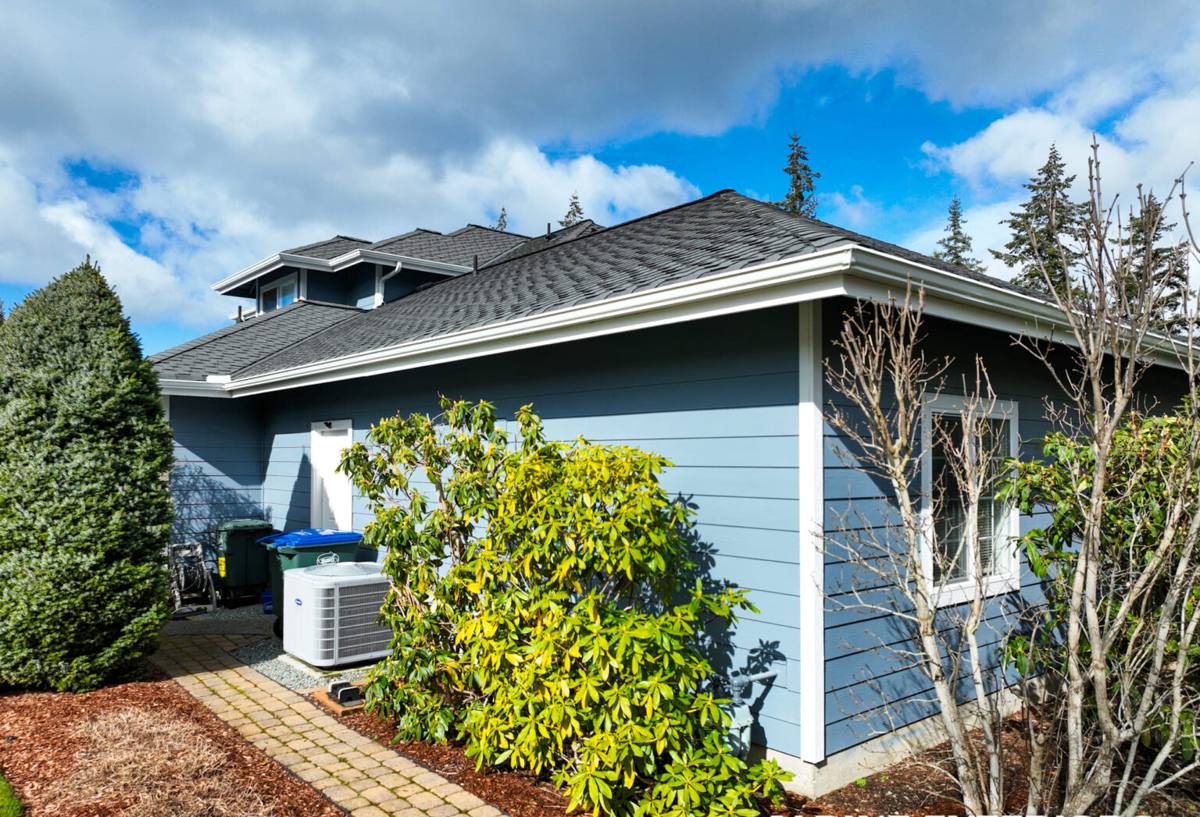
What a Correct Roof Replacement Actually Involves
Tear-Off and Deck Inspection
A proper replacement starts with a full tear-off down to the decking, not an overlay. Overlaying a second layer of shingles traps moisture against the old roofing and hides the one thing that matters most: the condition of the plywood or OSB underneath. In a climate like this, we routinely find soft or delaminated decking under roofs that looked fine from the ground, usually near valleys, chimneys, or old vent penetrations where water had a slow, steady path in.
Underlayment and Flashing
Once the deck is exposed and any damaged sections are replaced, the underlayment matters as much as the shingle on top of it. Self-adhered ice-and-water membrane belongs at eaves, valleys, and around every penetration — not because Lynden gets heavy ice buildup, but because those are the spots where wind-driven rain backs up under standard felt. New flashing at chimneys, skylights, and sidewalls should always be replaced, not reused, since bent or rusted flashing is one of the most common causes of a "new" roof leaking within a year or two.
Ventilation
Attic ventilation is the piece most often shortchanged on a re-roof, and it's the one that shows up later as ceiling stains, premature shingle aging, or mold on the roof deck itself. Balanced intake at the soffits and exhaust at the ridge lets moist attic air escape instead of condensing against cold sheathing during our long stretches of damp, overcast weather.
Choosing the Right Material for This Climate
There's no single "best" roofing material — there's the right material for the house, the budget, and how much long-term maintenance the homeowner actually wants to do. Here's how the common options stack up for a Lynden home specifically.
| Material | Typical Lifespan | Moss/Algae Resistance | Maintenance Needs |
|---|---|---|---|
| Standard asphalt shingle | 18-25 years | Low without treatment | Periodic moss removal, gutter cleaning |
| Algae-resistant architectural shingle | 25-30 years | Moderate to good | Occasional soft washing |
| Metal panel roofing | 40-50+ years | Good, especially with slope | Low; check fasteners and sealant over time |
| Synthetic/composite shingle | 30-50 years | Good | Low; manufacturer-specific care |
For most single-family homes in and around Lynden, algae-resistant architectural shingles hit the best balance of upfront cost and reduced maintenance. Metal is worth the higher price tag on steeper roofs where shedding moisture and moss faster matters more, or for homeowners who want to stop thinking about their roof for decades. We'll walk through the real trade-offs for your specific roof rather than pushing one product across every job.
Moss, Algae, and Keeping a New Roof Looking Like One
Moss doesn't just sit on top of a roof — its root structure lifts shingle edges and holds water against the granule surface, which shortens the life of even a high-quality shingle. Zinc or copper strips installed near the ridge are a genuinely effective, low-maintenance defense: rain carries trace metal ions down the roof slope and creates an environment moss struggles to grow in. It's not a permanent fix on its own, but paired with algae-resistant shingles and a periodic soft wash, it meaningfully extends the time between cleanings.
We install these strips as standard practice on replacements in this area, because retrofitting them later means extra labor for something that takes almost no time during a tear-off. What we don't recommend is pressure washing a roof — it strips protective granules and can force water under shingle tabs, which does more long-term damage than the moss it removes.
Our Roof Replacement Process
- On-site inspection — we get on the roof, check the decking where accessible, and evaluate ventilation, flashing, and drainage, not just the shingle surface.
- Written estimate — a clear scope of work and price, with material options explained in plain terms.
- Scheduling around weather — we plan tear-off days around dry windows so your roof deck isn't left exposed longer than necessary.
- Tear-off and deck repair — full removal of old roofing, replacement of any compromised decking, and disposal.
- Underlayment, flashing, and ventilation install — the layers most homeowners never see, done to hold up under years of wet weather.
- Shingle or panel installation — installed to manufacturer specification, which is what keeps a material warranty valid.
- Cleanup and magnetic sweep — job site and yard cleared of debris and stray nails.
- Final walkthrough — we review the finished roof with you and go over warranty paperwork before we consider the job done.
Why a Crew That Already Works in Lynden Matters
Roofing in an agricultural, semi-rural community like Lynden isn't identical to roofing in a dense city neighborhood. Lots tend to be larger, tree cover is heavier, outbuildings and detached structures are common, and access for equipment and material delivery needs to be planned differently than on a tight urban lot. A crew that already works this area shows up knowing what to expect instead of figuring it out on your driveway.
Local experience also means familiarity with Whatcom County's permitting process and inspection requirements, an understanding of how open farmland exposure affects wind loading on a roof, and a realistic sense of how the region's weather windows actually behave — not just what a forecast app says a week out. That translates into fewer surprises, fewer delays, and a roof that's installed correctly the first time.
Timing a Replacement Around Whatcom County Weather
Late spring through early fall generally offers the most consistent stretches of dry weather for a tear-off and install, which reduces the risk of an exposed deck getting rained on mid-project. That said, roof replacement is done year-round here — the real requirement isn't a specific calendar month, it's having a crew that watches the forecast closely and sequences the job so your home is never left vulnerable overnight. A roof in obvious distress shouldn't wait for "ideal" weather; a controlled replacement now beats an emergency tarp job later.
What Actually Drives the Cost
Every roof replacement estimate is a little different, but the same handful of factors determine most of the price difference between two similar-looking homes:
- Total roof size and how many layers of existing shingles need to come off
- Roof pitch and complexity — a steep or heavily cut-up roof takes longer to work safely
- Condition of the decking once the old roofing is removed
- Material choice, from standard asphalt up through metal or composite
- Ventilation upgrades needed to bring an older attic system up to a proper standard
- Site access — long driveways, tree cover, or tight setbacks affect equipment and material staging
Straightforward asphalt shingle replacements on a typical single-family home are the most affordable option; metal roofing and roofs requiring significant deck repair or ventilation work will run higher. A firm number only comes from an actual on-roof inspection — anything quoted without one is a guess.
Questions Worth Asking Before You Sign a Contract
Whatcom County has no shortage of roofing crews, and not all of them plan to be around for a warranty call five years from now. Before hiring anyone for a roof replacement, it's worth confirming a few basics:
- Are they licensed and insured in Washington, and can they show proof without hesitation?
- Do they provide a written scope of work, not just a one-line price?
- Will they do a full tear-off, or are they proposing an overlay to save time?
- Do they specify underlayment, flashing, and ventilation details, or only the shingle brand?
- Is the workmanship warranty separate from the manufacturer's material warranty, and clearly explained?
A contractor who answers these plainly, in writing, before any money changes hands is doing what a straightforward roofing job requires — nothing more, nothing less.
If your roof in Lynden is showing moss buildup, curling shingles, or you're just planning ahead, we're happy to take a look and give you a straightforward, no-pressure estimate. Use the form below to get started.