 Bellingham Roofing
 Why Silver Beach Homes Are Tough on Windows
Silver Beach sits close enough to the water that salt-laden air is a daily fact of life, not an occasional nuisance. That air finds its way into aluminum frame corrosion, pitted hardware, and seal failures years before a similar window would give out in a drier, inland part of Whatcom County. Add in Bellingham's long stretch of driving rain each fall and winter, plus the shaded, moisture-heavy conditions that let moss and algae take hold on north-facing walls and trim, and you've got a climate that specifically targets the weak points in older window installations: seals, sills, flashing, and frame material.
None of this means Silver Beach is a bad place to own a home — it just means the windows have to be chosen and installed with this specific exposure in mind. A window that performs fine in a sheltered subdivision twenty minutes away can fail early here if it's the wrong product or installed without attention to how water actually moves across this neighborhood's homes.
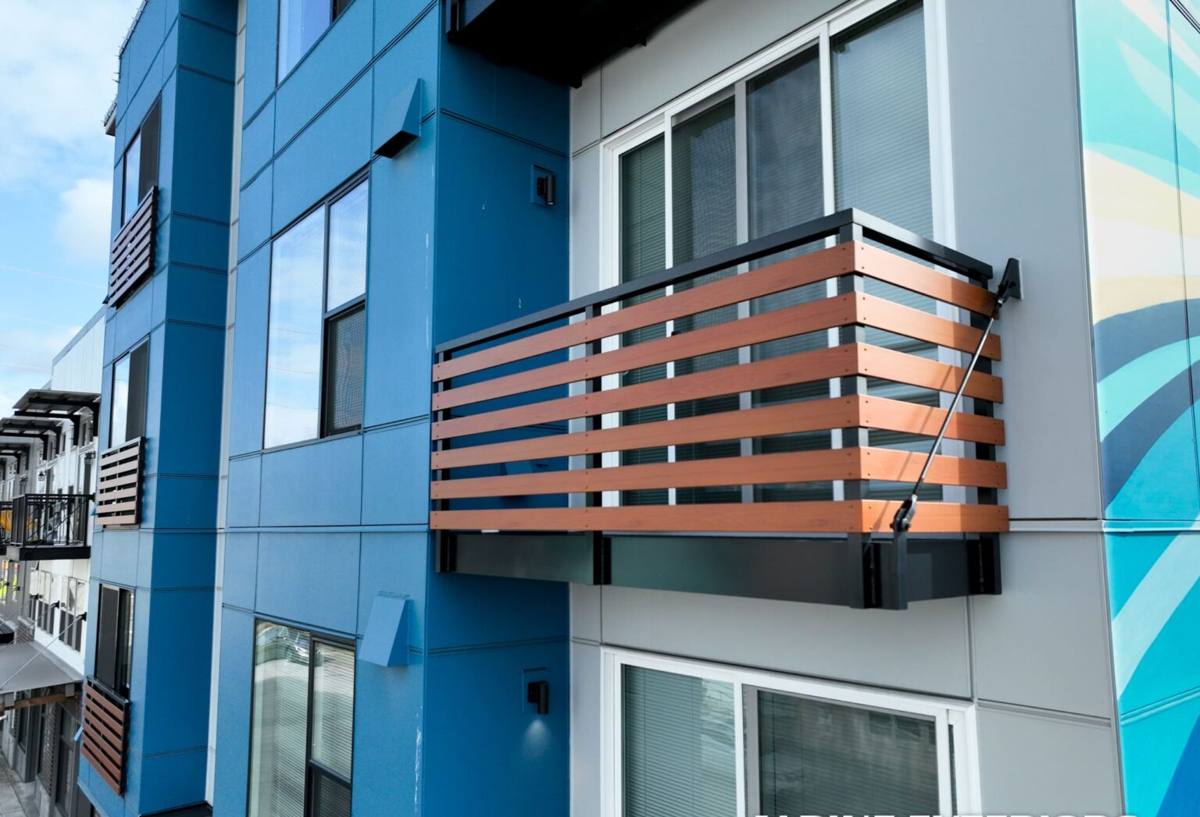
What "Energy-Efficient" Actually Means for This Climate
Energy efficiency in the Pacific Northwest isn't primarily about blocking summer heat — it's about stopping heat loss during our long, wet, mild-but-persistent heating season, and doing it without inviting moisture problems. That means the conversation for Silver Beach homes centers on a few specific things:
- U-factor — how well the window resists heat transfer. Lower is better for our climate, where you're heating far more months than cooling.
- Air leakage rating — a tight-sealing window matters more here than in drier climates, because moist air infiltrating a wall cavity contributes to the same rot and mold conditions the exterior climate already promotes.
- Condensation resistance — a window that fogs or sweats on the inside during cold, damp stretches is telling you something about its seal quality and glazing, not just its looks.
- Frame material behavior in salt air and constant damp — this matters as much as the glass package itself.
A window that's efficient on paper but poorly sealed at the frame-to-wall junction will still let bulk water in during a hard Bellingham rain event. Efficiency and water management aren't separate issues here — they're the same job done right or done wrong.
Frame Material Trade-Offs Near Salt Air
There's no single "correct" frame material for every home — each comes with trade-offs worth understanding honestly:
| Frame Type | Salt Air / Moisture Behavior | Maintenance | Typical Trade-Off |
|---|---|---|---|
| Vinyl | Doesn't corrode; performs well in coastal air | Low | Limited color/finish options, can't be repainted easily |
| Fiberglass | Very stable in moisture and temperature swings | Low | Higher upfront cost |
| Aluminum (uncoated or poorly finished) | Prone to pitting and corrosion in salt air over time | Higher — needs monitoring | Thinner sightlines but shorter service life here |
| Wood (unclad) | Needs consistent protection from driving rain and damp | High | Traditional look, but demands the most upkeep in this climate |
| Wood-clad (exterior clad, wood interior) | Clad exterior handles weather better than bare wood | Moderate | Good middle ground where interior wood look matters |
We'll talk through which of these fits your home's exposure, your budget, and how much upkeep you actually want to sign up for — there's no upsell agenda here, just an honest look at what holds up.
Where Window Failures Actually Start
In our experience working on homes throughout Bellingham and the surrounding Whatcom County coastline, window problems rarely start with the glass itself. They start at the edges:
- Flashing that was skipped, reversed, or improperly lapped during a past installation, letting wind-driven rain track behind the trim
- Sill pans that were never installed, so any water that does get past the frame has nowhere to drain and instead sits against the framing
- Old caulk-only "seals" used in place of proper flashing and drainage detailing
- Gaps at the rough opening that were never properly insulated, creating both an energy loss point and a condensation-prone cold spot
This is why a window replacement isn't really a "swap the glass unit" job — it's an opportunity to correct whatever water-management shortcuts were built into the original installation, which is especially valuable on homes that have already been taking on salt air and driving rain for years.
Our Process for a Silver Beach Window Job
1. On-Site Assessment
We look at more than the windows themselves — we check the surrounding siding and trim for signs of past moisture intrusion, look at how the home is oriented to prevailing wind and rain, and note any areas already showing moss growth or staining that points to a chronic damp spot.
2. Product Recommendation Based on Exposure
A window on a sheltered wall doesn't need the same spec as one taking direct wind-driven rain. We match the frame material, glazing package, and installation detailing to each elevation's actual exposure rather than using one spec for the whole house.
3. Removal and Opening Prep
Old units are removed carefully to expose the rough opening, where we can actually assess the condition of the framing and sheathing — this is often where hidden moisture damage from a prior poor installation shows up.
4. Proper Flashing and Sill Pan Installation
This is the step that gets skipped most often on lower-cost jobs, and it's the one that matters most in this climate. A correctly lapped flashing sequence and a sill pan that gives any incidental water a path back out is non-negotiable on our jobs.
5. Air Sealing and Insulation at the Rough Opening
Gaps around the frame are sealed and insulated properly — this is where a big share of the energy-efficiency gain actually comes from, separate from the window unit's own rating.
6. Final Weatherproofing and Trim
Exterior trim and sealant details are finished to shed water rather than trap it, with attention to the areas most likely to collect standing moisture or moss over time.
Signs a Silver Beach Home May Need Window Attention
- Visible condensation or fogging between glass panes, indicating a failed seal
- Drafts felt near the frame even when the window is fully closed and latched
- Soft or discolored trim and sill areas around the window exterior
- Moss or dark staining concentrated around specific windows rather than spread evenly across the wall
- Difficulty opening, closing, or latching — often a sign of frame corrosion or settling
- Noticeably colder rooms near certain windows during winter months
Cost Factors Worth Understanding
Window project costs vary widely based on real, honest factors rather than a flat per-window price. The main variables we discuss with homeowners:
| Factor | Why It Affects Cost |
|---|---|
| Frame material chosen | Vinyl, fiberglass, and clad-wood options carry different material costs |
| Number of window sizes/shapes | Custom or non-standard openings require custom-sized units |
| Condition of existing rough openings | Hidden rot or damage found during removal may require repair before installation |
| Full-frame vs. insert replacement | Full-frame allows correcting flashing and drainage issues; inserts are faster but preserve existing (possibly compromised) framing |
| Number of elevations exposed to weather | Wind- and rain-facing sides may warrant a higher-spec product than sheltered sides |
We always walk homeowners through these factors before quoting, so the number reflects your home's actual condition rather than a generic estimate.
Why Local Installation Experience Matters Here
A window installation crew that mostly works inland, drier parts of the state may not think twice about skipping a sill pan or using a lighter flashing detail — because in that climate, it often gets away with it for years. Silver Beach and the Bellingham waterfront don't offer that same margin for error. Salt air accelerates corrosion on the wrong frame material, driving rain finds any gap in flashing within a season or two, and the shaded, damp conditions that support moss growth also support wood rot if water gets behind the trim.
Working windows in this specific area, on this specific coastline, means we've already seen which shortcuts fail here and which details actually hold up over the long term. That's a different thing than general window installation experience — it's installation experience calibrated to this exposure.
Get a Straightforward Estimate
If your Silver Beach home has windows that are drafty, fogged, hard to operate, or just old enough that you're wondering whether they're costing you on your heating bill, we're glad to take a look. The estimate is free, there's no pressure, and we'll give you an honest read on what your home actually needs — use the form below to get started.