 Bellingham Roofing
 New Roof Installation in Sunnyland
Sunnyland sits close enough to Bellingham Bay that salt-laden air is part of daily life for the roofs here, and that changes what "a good roof" actually means in this neighborhood. A roofing system that would hold up fine in a drier inland climate can wear out early here if it isn't built with this specific mix of salt exposure, driving rain, and shade-driven moss growth in mind. When a Sunnyland roof is past patching and it's time for a full replacement, the goal isn't just to put new material on the house — it's to put on a system that's actually matched to what this neighborhood throws at it.
This page covers what a correct new roof installation looks like for Sunnyland homes specifically: what the local climate demands, what a properly built roof includes layer by layer, how we run the project from first look to final walkthrough, and why local experience in this part of Whatcom County matters more than most homeowners realize until they've lived through a bad one.
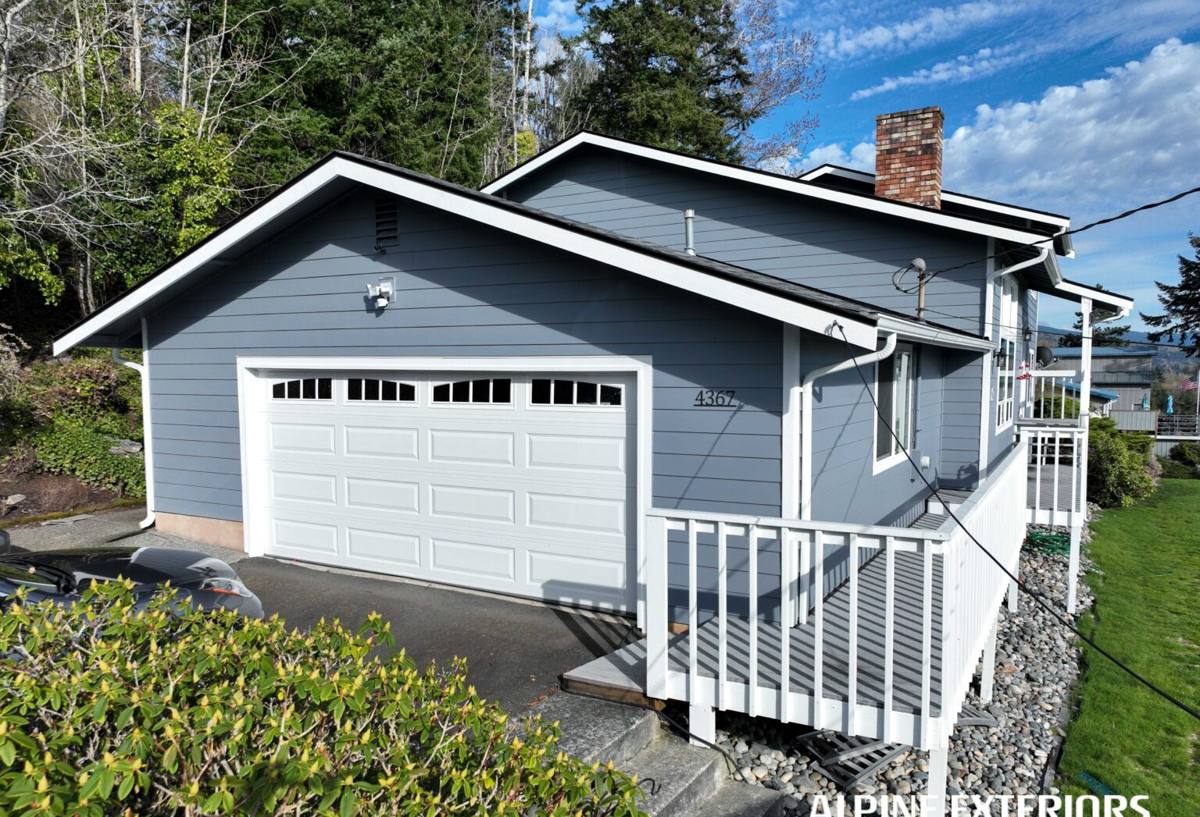
Why Sunnyland's Climate Is Hard on Roofs
Bellingham's location on the water means Sunnyland roofs deal with a combination of stressors that don't always show up together elsewhere in Whatcom County.
Salt Air
Proximity to the bay means airborne salt settles on roofing surfaces and any exposed metal — flashing, fasteners, vents, gutter hardware. Over years, standard-grade fasteners and lower-quality flashing can corrode faster than they would a few miles inland. This is a materials decision, not a maintenance one: it has to be solved at installation with the right metal and fastener specs, not patched later.
Driving Rain
Storms off the water often come in sideways rather than straight down. Wind-driven rain finds every gap in a roof's underlayment, flashing, and edge details that a calmer rainfall would never reach. Roofs built for vertical rain alone — with minimal underlayment or undersized flashing at valleys and walls — tend to develop leaks in exactly the spots a straight-down rain would never test.
Moss and Shade
Many Sunnyland lots have mature tree cover, and combined with the region's long wet season, that means extended periods where roof surfaces stay damp and shaded. Moss and algae take hold fastest in those conditions, and once established, moss growth lifts shingles, traps moisture against the roof deck, and shortens the life of almost any roofing material if it isn't controlled.
None of these three factors is unique to Sunnyland on its own, but the combination — salt, wind-driven rain, and persistent shade-driven moss — is a specific local profile that a roof installed here needs to be built to handle from day one.
What a Correctly Built New Roof Includes
A new roof is a system, not a single product. Skipping or downgrading any layer below is where premature failures start, especially in a climate like this one.
- Deck inspection and repair: Every old roof comes off down to the deck, and any water-damaged, soft, or delaminated sheathing gets replaced before anything new goes down.
- Ice and water shield at vulnerable areas: Self-adhering waterproof membrane at eaves, valleys, and around penetrations — the areas where driving rain and ice damming are most likely to force water backward under the roofing material.
- Synthetic underlayment across the full deck: A continuous secondary water barrier that protects the structure even if wind-driven rain gets past the surface layer.
- Corrosion-resistant metal flashing and fasteners: Given the salt air here, this is where cutting corners costs the most over time — we spec metal and fastener grades to hold up to coastal exposure, not just meet code minimums.
- Proper ventilation: Balanced intake and exhaust ventilation keeps the attic dry and the roof deck at a stable temperature, which matters for shingle life and for keeping condensation from forming underneath the roof in our wet season.
- The finish roofing material itself: Correctly nailed, correctly spaced, and installed to the manufacturer's specifications — not just "close enough."
Choosing Roofing Materials for Sunnyland's Conditions
There's no single "best" roofing material for every home — it depends on the roof's pitch, the amount of shade on the lot, the home's style, and the owner's budget and maintenance appetite. What matters is picking a material honestly, with this climate's realities on the table.
| Material | How It Handles This Climate | Maintenance Consideration |
|---|---|---|
| Architectural asphalt shingles | Good all-around performance; algae-resistant granule options help slow moss and algae growth in shaded yards | Periodic roof cleaning recommended in heavily shaded lots |
| Standing seam metal | Excellent shedding of driving rain; minimal seams for water to work into | Requires marine-grade or coated fasteners and flashing near the bay to manage salt exposure long-term |
| Synthetic/composite shingles | Resists moisture absorption better than some traditional materials in persistently damp, shaded conditions | Higher upfront cost; lower long-term maintenance need |
We'll walk through these trade-offs honestly during your estimate rather than pushing one product — the right call depends on your specific roof, not a one-size answer.
Our New Roof Installation Process
1. On-Site Assessment
We start with a full inspection of the existing roof, deck condition, ventilation setup, and any trouble spots — including checking for moss damage and past water intrusion around valleys, chimneys, and skylights, which tend to be the first places driving rain finds a way in.
2. Written Estimate and Material Selection
You get a clear, written scope of work and pricing before anything is scheduled, with material options explained in plain terms — no surprise add-ons once the job starts.
3. Tear-Off and Deck Repair
Old roofing comes off completely so we can inspect and repair the deck itself. This is the step that gets skipped by crews trying to save time, and it's the one most likely to cause problems years later if it's skipped.
4. Underlayment, Flashing, and Ventilation Install
Every layer goes down to spec — waterproof membrane at vulnerable points, synthetic underlayment across the field, corrosion-resistant flashing and fasteners throughout, and ventilation components balanced for the home's attic.
5. Finish Material Installation
The chosen roofing material is installed to manufacturer specification, with attention to nailing pattern, exposure, and sealing at every edge, valley, and penetration.
6. Final Walkthrough and Cleanup
We walk the finished roof and property with you, cover warranty details in plain language, and make sure the site is cleaned up — including a magnetic sweep for stray nails.
Why Local Sunnyland Experience Matters
A crew that regularly works Sunnyland and the surrounding Bellingham waterfront neighborhoods already knows which valleys tend to leak first in wind-driven storms, which lots need extra attention to moss and shade, and which flashing and fastener grades actually hold up to salt air over time — instead of learning it on your roof. That local pattern recognition shows up in small decisions throughout the job: where to add extra ice and water shield, how much ventilation a shaded attic actually needs, and which material will realistically go the distance on your specific lot.
It also matters for scheduling and follow-up. A contractor based in and around Bellingham can respond quickly if something needs a second look after a storm, rather than being a multi-hour drive away with a backlog of jobs between here and there.
Signs Your Sunnyland Home May Need a New Roof
- Shingles that are curling, cracking, or missing granules in large patches
- Heavy, persistent moss growth that keeps returning after cleaning
- Visible sagging anywhere along the roofline
- Daylight visible through the attic decking or boards
- Water stains on interior ceilings, especially near valleys or chimneys
- A roof already at or past its material's expected service life
- Rising frequency of small leak repairs instead of one lasting fix
What Affects the Cost of a New Roof in Sunnyland
| Factor | Why It Matters Here |
|---|---|
| Roof size and pitch | Steeper roofs and larger surface areas require more material and labor time |
| Deck condition | Extent of rot or water damage found once old roofing is removed |
| Material choice | Asphalt, metal, and composite options carry different upfront and long-term costs |
| Flashing and fastener grade | Coastal-grade materials cost more upfront but reduce corrosion issues near the bay |
| Ventilation upgrades | Homes with inadequate existing ventilation may need added intake or exhaust components |
| Tree cover and access | Heavily shaded, tree-lined lots can affect staging, cleanup, and moss-related deck repair |
Exact costs vary enough by roof that we don't publish blanket numbers — every estimate is based on an actual look at your roof, not a generic square-footage formula.
Get an Honest Look at Your Roof
If your Sunnyland roof is showing its age or you're just planning ahead, we're happy to come take a straightforward look and walk you through what we find — no pressure, no sales script. Fill out the form below for a free estimate.