 Bellingham Roofing
 Metal Roofing in York: Built for Bellingham's Waterfront Climate
York sits within Bellingham, close enough to Bellingham Bay and the Salish Sea that homes here take the full brunt of the marine weather this part of Whatcom County is known for. Salt-tinged air moves through the neighborhood on a near-daily basis, rain arrives sideways as often as it falls straight down, and the mild, damp climate keeps moss and algae growing on roofs for most of the year. Any roofing material installed here either handles that specific combination of stresses or it starts showing wear years ahead of schedule.
We install metal roofing on homes throughout York and the surrounding Bellingham area because it's the material we've consistently seen perform best under these exact conditions. This page covers what York's climate actually does to a roof, what a correct metal roofing job involves, how our process works from first look to final walkthrough, and why it matters to hire a crew that already knows this neighborhood rather than one working here for the first time.
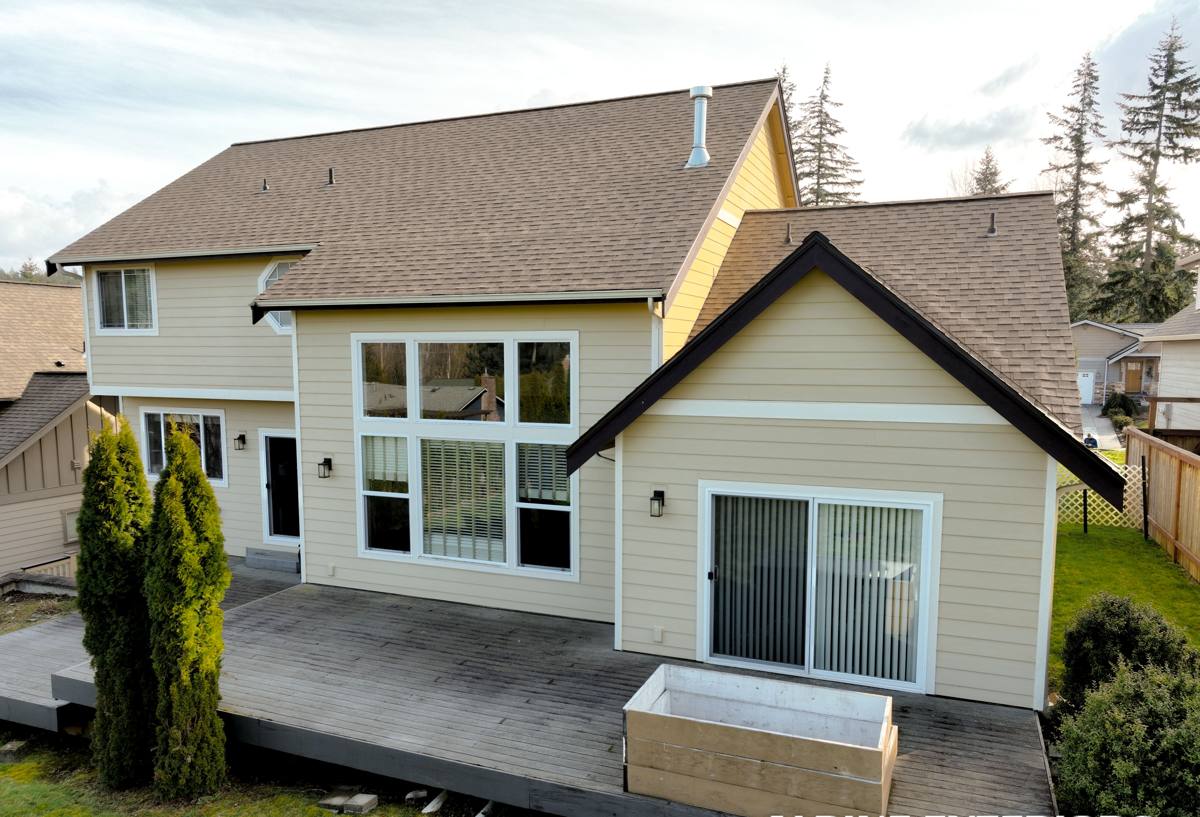
What This Climate Does to a Roof in York
Salt Air and Corrosion
Proximity to the bay means a steady, low-level exposure to salt-laden moisture in the air, not just on days when there's an obvious storm rolling in off the water. That kind of sustained exposure accelerates corrosion on fasteners, flashing, and any metal component with a weak or thin protective coating. It's a slow process, which is exactly why it catches homeowners off guard — the damage is happening quietly for years before it becomes visible as staining, streaking, or actual material failure.
Wind-Driven Rain
Like most of coastal Whatcom County, York gets rain that's pushed sideways by wind rather than falling straight down. That matters because a roofing system designed and tested for calmer, drier conditions can still leak here specifically because wind is driving water up and under laps, around vent penetrations, and into valleys from angles a simple rainfall-total model doesn't account for. Flashing detail and panel overlap matter more in this climate than in most.
A Long Moss Season
Mild year-round temperatures and consistent moisture add up to a moss and algae growing season that stretches across most of the calendar in shaded and north-facing areas. Moss does more than look bad on a roof — it holds water against the surface below it, works into seams and laps, and on a porous material can lift edges or trap moisture long enough to cause real damage underneath.
Why Metal Roofing Fits This Job
Metal roofing isn't the right answer for every home or every budget, but for the specific stresses York's climate puts on a roof, it addresses several problems at once rather than trading one for another.
Corrosion Resistance Through Proper Coatings
Quality metal roofing panels come with factory-applied protective coatings — typically a zinc or zinc-aluminum coating on steel, or a natural oxide layer on aluminum — designed specifically to resist the kind of salt-air corrosion this neighborhood sees. The coating and the finish system on top of it are what actually determine long-term performance here, which is why we specify materials rated for coastal exposure rather than a general-purpose product that happens to be cheaper.
Shedding Moss and Water Instead of Holding It
A smooth, non-porous metal surface doesn't give moss the foothold it needs the way a rougher or more absorbent material can. Water runs off quickly rather than sitting on the surface, which shortens the window moss and algae have to establish themselves. That doesn't mean a metal roof never needs any moss removal — shaded valleys and areas near overhanging trees can still collect debris that holds moisture — but the maintenance burden is meaningfully lower over the life of the roof.
Wind and Fastener Performance
Metal roofing systems, when installed with the correct fastening method for the panel type, handle wind-driven rain and gusting coastal wind well. Standing seam systems in particular use concealed clips rather than exposed fasteners, which removes one of the most common failure points on lower-grade roofing: fastener heads that back out, corrode, or were never properly sealed in the first place.
Standing Seam vs. Exposed Fastener Metal Roofing
Not all metal roofing is the same product wearing different colors. The two main system types behave differently in this climate, and the right choice depends on budget, roof pitch, and how long you plan to own the home.
| System | Fastening Method | Moisture & Wind Performance | Typical Lifespan Here |
|---|---|---|---|
| Standing seam | Concealed clips, no exposed fasteners | Excellent; seams interlock and shed wind-driven rain well | 40-60 years |
| Exposed fastener (corrugated/ribbed panel) | Screws driven through the panel face with washers | Good when installed and maintained correctly; fastener seals are the weak point over time | 25-40 years, depending on fastener maintenance |
Exposed fastener panels cost less up front and are a reasonable option on outbuildings, garages, or lower-visibility roof sections. On a primary residence roof in a salt-air, wind-driven-rain climate like York's, we lean toward standing seam for the main roof planes because it removes the recurring maintenance item of checking and resealing fastener penetrations every few years.
What a Correct Metal Roof Installation Involves
Metal panels are only as good as what's underneath and around them. A lot of the roof problems we get called out to inspect in this area didn't start with the panels themselves — they started with shortcuts in the details underneath.
- Underlayment rated for the panel type and climate, not a generic felt product, installed as a continuous water barrier under the full roof deck
- Flashing at every valley, wall intersection, chimney, and penetration, formed and lapped to shed wind-driven rain rather than just vertical rainfall
- Fastening or clip spacing matched to the manufacturer's wind-load specification for this region, not a generic spacing pulled from a warmer or calmer climate's install guide
- Ventilation that lets the roof deck breathe, which matters for both moisture control and panel longevity
- Panel and trim alignment that accounts for thermal expansion — metal roofing moves slightly with temperature changes, and fastening or seaming that doesn't allow for it eventually causes stress cracks or popped fasteners
We don't treat any of these as optional add-ons priced separately from "the roof." They're part of what makes a metal roof actually perform the way it's supposed to in this climate instead of just looking right for the first few years.
Our Process, Start to Finish
Assessment and Honest Recommendation
We start with an on-site look at the existing roof, deck condition, ventilation, and any problem areas — not a drive-by estimate. That's where we tell you honestly whether metal roofing is the right fit for your home's pitch, budget, and timeline, or whether another material makes more sense for your situation.
Tear-Off or Overlay Decision
Depending on the condition of the existing roof deck and roofing material, a full tear-off is sometimes necessary and sometimes not. We'll explain which applies to your roof and why, including what it means for cost and timeline, rather than defaulting to whichever option is easier for us.
Installation
Deck inspection and repair as needed, underlayment, flashing at every critical point, and panel installation to manufacturer wind-load specifications for this region. On a typical residential roof, installation runs a few days to about a week depending on size and complexity.
Cleanup and Walkthrough
Job-site cleanup including a magnetic sweep for stray fasteners, followed by a walkthrough where we go over the finished roof, warranty documentation, and basic maintenance expectations before we consider the job done.
Maintenance and What to Expect Over Time
One of the practical advantages of metal roofing in this climate is how little ongoing maintenance it asks for compared to some other materials. That said, "low maintenance" isn't "no maintenance," and setting realistic expectations up front avoids surprises later.
- Periodic visual inspection, especially after major windstorms, to check flashing and panel seams
- Clearing debris from valleys and gutters, since organic material sitting on any roof surface holds moisture longer than a clear one
- Checking exposed fasteners (if that system type was used) every few years for backing-out or seal degradation
- Keeping overhanging branches trimmed back to reduce shade, debris, and moss pressure on the roof surface
Why a Crew That Already Works York Matters
York is a specific micro-climate within Bellingham, and roofing decisions that work well a few miles further inland don't always translate directly here. A crew that's worked roofs in this neighborhood already knows which panel coatings and fastening details hold up against this level of salt exposure, understands the wind patterns coming off the bay that drive rain into valleys and penetrations from unusual angles, and has a realistic sense of how long moss pressure actually runs across the calendar year in this specific location.
That local familiarity also shows up in smaller, practical ways: knowing which local permitting steps apply, having a working sense of typical roof ages and construction types in the area, and being able to respond quickly if a windstorm causes damage that needs an urgent temporary fix before a full repair or reroof can be scheduled.
Cost Factors Worth Understanding Before You Get a Quote
Metal roofing costs vary based on several factors that are worth understanding before comparing quotes, since a low bid that skips one of these isn't actually a lower-cost roof — it's a different, lower-quality job.
| Factor | Why It Affects Cost |
|---|---|
| Panel system type | Standing seam costs more up front than exposed fastener panel due to material and labor |
| Roof pitch and complexity | Steep roofs, multiple valleys, and dormers all add labor time and material waste |
| Tear-off vs. overlay | Full tear-off adds labor and disposal cost but may be required by deck condition |
| Coating and finish grade | Coastal-rated coatings cost more than general-purpose finishes but last significantly longer here |
| Flashing and detail work | More penetrations, chimneys, and wall intersections mean more custom flashing labor |
We walk through each of these with you during the estimate so the number you get reflects the actual job, not a stripped-down version of it.
If you're weighing metal roofing for a home in York, we're glad to come take a look and give you a straightforward, no-pressure estimate — no obligation, just an honest read on what your roof needs. Use the form below to get started.