 Bellingham Roofing
 Roof Repair in Birch Bay: A Different Kind of Wear
Birch Bay sits right on the water, and that changes what a roof has to deal with compared to homes further inland around Bellingham. Properties facing the bay take a steadier dose of salt-laden marine air, wind that has a straight run at the roofline off open water, and a damp, mild climate that keeps moss and moisture active on shaded slopes for most of the year. None of that means a Birch Bay roof is doomed to constant problems. It means small issues that would sit quietly for years on a drier, more sheltered roof tend to turn into real leaks faster here, and repairs done without that context in mind don't hold up as long as they should.
This page is specifically about roof repair for Birch Bay homes, not a general roofing overview. If you've got a leak, a section of damaged shingles, moss that's gotten out of hand, or flashing that's failed around a chimney or vent, this is what we look at, why it happens the way it does here, and how we go about fixing it correctly the first time.
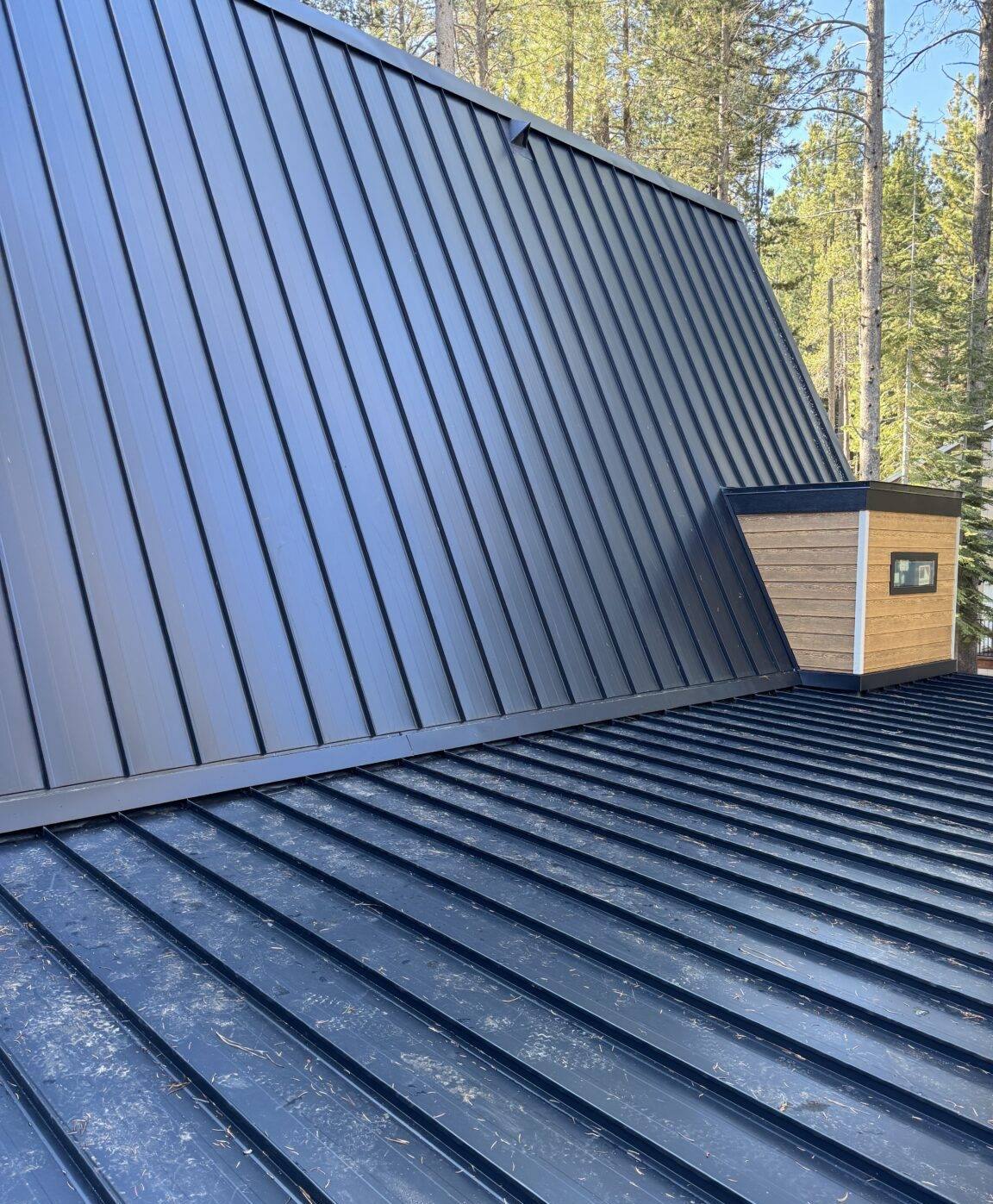
What Birch Bay's Coastal Climate Does to a Roof
Salt Air and Corrosion
Homes on or near the water get a near-constant flow of salt-tinged air moving across the roof, not just during storms. That kind of steady exposure works on exposed metal faster than an inland climate would: fasteners, drip edge, flashing, and any lower-grade metal components can start corroding well before a roof's shingles are anywhere near the end of their service life. It's a slow process, which is part of the problem. A corroding nail head or a flashing seam that's started to pit doesn't announce itself until water is already getting past it.
Wind-Driven Rain
Storms off the water don't just drop rain straight down, they push it sideways into every lap, seam, and penetration on the roof. A roof valley, a chimney flashing detail, or a vent boot that would hold up fine under calmer rainfall can still let water in here specifically because the wind is forcing it in at an angle those details weren't built to handle. This is one of the most common reasons we get called out to a Birch Bay home that "just started leaking" during a storm, when the underlying weak point had actually been there for a while.
A Long Moss Season
Mild temperatures, consistent dampness, and tree cover on many Birch Bay lots add up to a moss and algae season that runs far longer than most homeowners expect, especially on north-facing and shaded roof slopes. Moss doesn't just look bad. It holds moisture directly against the shingle surface, works its way under shingle tabs and lifts them, and slowly breaks down the granule layer that protects the shingle from UV and weather. Left alone long enough, a mossy roof section stops shedding water the way it's supposed to and starts holding it instead.
Signs a Birch Bay Roof Needs Repair
Most roof problems give some warning before they turn into an active leak inside the house. Here's what we'd want a Birch Bay homeowner watching for:
- Moss patches or dark streaking on north-facing or shaded roof slopes, especially if it's coming back quickly after cleaning
- Granules collecting in gutters or at downspout outlets, a sign shingles are wearing down faster than they should
- Shingles that are curling, cupping, or have visibly lost their flat profile
- Water stains on interior ceilings or in the attic, even faint ones that come and go with weather
- Rusted, lifted, or visibly failing flashing around chimneys, skylights, or roof-to-wall transitions
- Missing or damaged shingles after a windstorm, particularly on bay-facing slopes
- Soft or spongy spots underfoot when walking the roof, a sign the decking underneath may already be compromised
- Daylight visible through the roof deck from inside the attic
Any one of these on its own doesn't necessarily mean a major job. But in a climate that pushes water in sideways and keeps moss active most of the year, small issues here tend to compound faster than homeowners expect, which is why we'd rather look at something early than get called out after it's already inside the house.
Common Roof Repairs We Handle Near the Bay
Flashing and Valley Repair
Flashing failure is one of the most frequent repair calls we get on bay-facing homes, and it's rarely the shingles themselves that are the problem. Corroded, improperly lapped, or under-sized flashing at chimneys, valleys, skylights, and wall transitions is where wind-driven rain most often finds its way in. A correct flashing repair means removing the failed section, addressing whatever water damage is underneath it, and installing new flashing lapped and sealed the way it should have been the first time, not just running a bead of sealant over the old metal and calling it done.
Moss Removal and Roof Cleaning
Moss removal on an active roof needs to be done carefully. Pressure washing or aggressive scraping can strip granules and shorten a shingle's remaining life just as fast as the moss itself would. We remove moss using methods that clear the growth without damaging the shingle surface, then look at whether zinc or copper strips near the ridge make sense to slow regrowth on that particular roof, since not every home needs the same approach.
Shingle and Section Replacement
Isolated wind damage, a section that's aged unevenly due to shade or moisture exposure, or a spot where a repair has already failed once can usually be addressed by replacing that section rather than the whole roof. The tricky part is matching existing shingles closely enough that the repair doesn't stand out, and making sure the replacement section ties into the surrounding roofing correctly so it doesn't become the next weak point.
Decking and Sheathing Repair
When a leak has been active for a while before anyone notices, the plywood or OSB decking underneath the shingles can start to soften or rot. Repairing that means pulling back the affected shingles, replacing the damaged decking, and confirming there's no hidden extension of the damage before new roofing goes back down. Skipping this step and roofing over compromised decking is one of the most common ways a repair fails early.
Repair vs. Replacement: How We Decide
Not every roof problem in Birch Bay means a full replacement, and we're not going to tell a homeowner they need one when a proper repair will genuinely hold. The decision usually comes down to a few practical questions: how old is the roof relative to its expected lifespan, how much of the roof surface is actually affected, is the decking underneath sound, and has this same area already been patched once or twice before. A roof that's ten years into a thirty-year shingle life with one damaged section is a repair. A roof that's already had several patch jobs, is showing widespread granule loss, or has decking damage spreading beyond the original leak point is usually past the point where another repair makes financial sense. We'll walk you through which situation your roof is actually in rather than defaulting to whichever answer is more profitable for us.
What a Correct Repair Actually Involves
A repair that's done right addresses the cause of the problem, not just the visible symptom. That distinction matters most in a climate where wind-driven rain and salt air punish shortcuts faster than they would elsewhere.
| Issue | Common Shortcut | What a Correct Repair Does |
|---|---|---|
| Leaking valley or flashing | Sealant or roofing cement applied over the failed metal | Removes and replaces the flashing with correctly lapped, properly fastened new material |
| Missing or damaged shingles | Mismatched replacement shingles loosely nailed over the gap | Ties new shingles into the existing pattern with correct nailing and weather lapping |
| Moss on shingles | Pressure washing that strips granules along with the moss | Low-impact moss removal plus an honest look at whether prevention measures make sense |
| Soft decking under a leak | New shingles installed directly over softened decking | Replaces the compromised decking before any new roofing goes down |
We also use ice-and-water shield membrane at the specific points on a roof that see the most concentrated water exposure, valleys, eaves, and around penetrations, since that added protection matters more here than it would in a drier inland climate. None of this is unusual or exotic material. It's standard, well-understood roofing practice applied carefully instead of rushed.
Our Process: Inspection to Finished Repair
- Inspection. We walk the roof and attic where accessible, looking past the obvious damage for related issues, failing flashing nearby, early moss growth, or decking that's starting to soften.
- Honest assessment and written scope. You get a clear explanation of what we found, what we recommend, and why, along with a written estimate before any work starts. No pressure to upsell into a full replacement if a repair is the right call.
- The repair itself. We remove and address the actual failure point, not just the visible symptom, matching materials and fastening methods to what the rest of the roof needs.
- Cleanup and walkthrough. We clear debris, check gutters and downspouts near the repair area, and walk you through what was done and what to watch for going forward.
Roof Repair Cost Factors in Birch Bay
| Factor | What It Affects | Why It Matters Here |
|---|---|---|
| Roof age and material | Whether a repair or replacement makes more sense | Older roofs closer to the end of their expected life are more likely to need broader work once opened up |
| Extent of hidden damage | Labor and material scope once the roof is opened up | Wind-driven rain and long-standing moss growth often cause more underlying damage than what's visible from the ground |
| Decking condition | Whether sheathing needs to be replaced along with roofing | Active leaks near the bay can soften decking faster than in a drier climate |
| Roof pitch and access | Labor time and safety equipment needed | Steeper or harder-to-access roofs take longer to work safely, especially in wet or windy conditions |
| Direct bay exposure | Flashing and fastener condition | Homes with an unobstructed view of the water tend to see faster corrosion on exposed metal components |
Real costs depend on what we actually find once we're on the roof, which is why we give a written estimate after an inspection rather than a number over the phone.
Why a Local Crew That Works Birch Bay Matters
A crew that's regularly out on Birch Bay roofs knows which slopes hold moss longest, which flashing details tend to fail first on bay-facing homes, and how wind off the water actually behaves during a storm, not just how it's supposed to behave on paper. That kind of familiarity shows up in small decisions on repair day: where it's worth adding extra protection even though it wasn't strictly part of the original problem, and which shortcuts other crews might take that just don't hold up in this particular environment. Birch Bay's direct water exposure isn't the same as a roof a few miles inland around Bellingham, and treating every roof in Whatcom County the same way is how avoidable repeat leaks happen.
If your Birch Bay home has a roof leak, storm damage, moss that's gotten ahead of you, or you just want an honest opinion on what's actually going on up there, we're glad to take a look. Reach out using the form below to schedule a free, no-pressure estimate.