 Bellingham Roofing
 Board & Batten in a Neighborhood Built on Marine Weather
Columbia sits close enough to Bellingham Bay that the weather off the water shapes how a house ages. Salt-laden air, wind-driven rain that hits walls sideways rather than straight down, and a moss season that can stretch from October through May all put steady pressure on exterior materials. Board and batten siding — with its vertical lines, deep shadow reveals, and clean, architectural look — is one of the most requested styles in this part of Whatcom County. It suits the mix of craftsman bungalows, mid-century homes, and newer infill construction you see around Columbia. But the style only holds up if the material underneath it is built for this climate, and if the installation respects how water actually moves on a wall in a marine environment.
This page is about that specific combination: board and batten, done right, on a Columbia home.
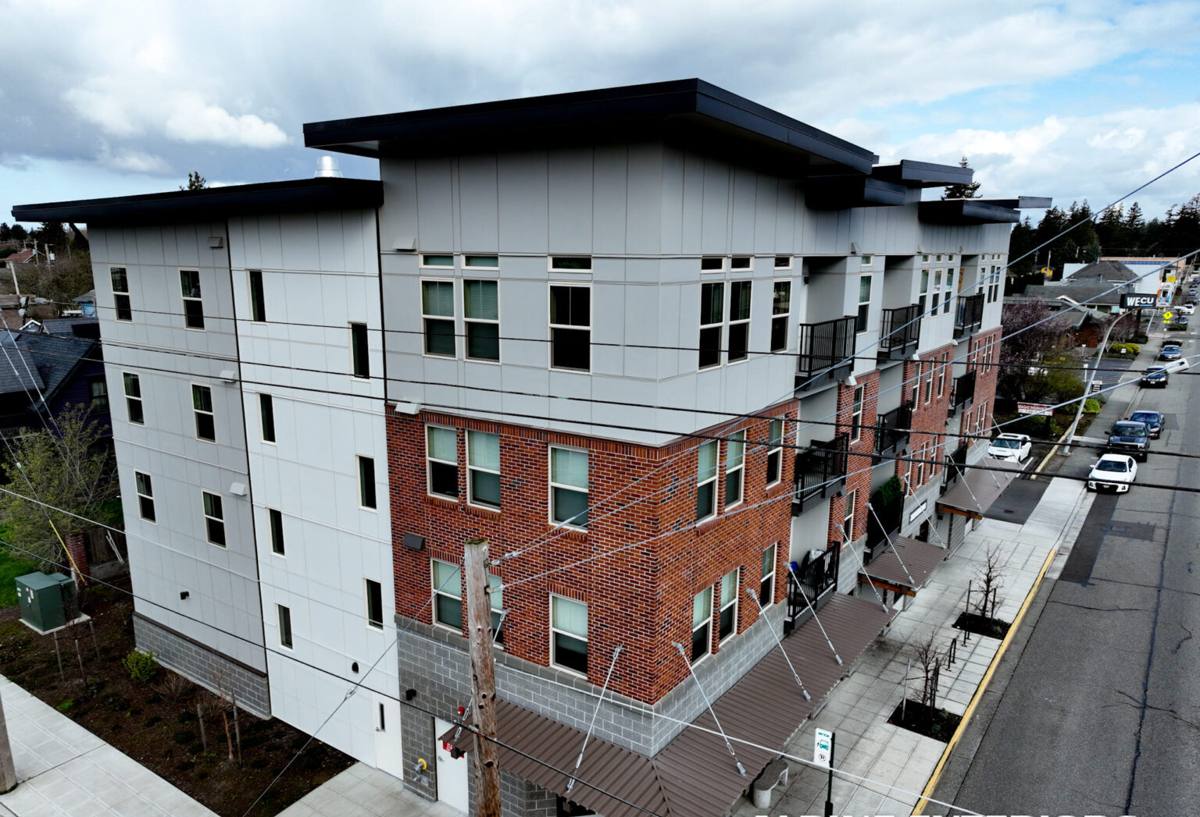
What Board & Batten Siding Actually Is
Board and batten is a siding pattern, not a single product. It's built from wide vertical panels (or boards) with narrower strips — the battens — covering the seams between them. The result is a rhythmic, vertical look that reads as more custom than standard lap siding, which is part of why it's popular on accent walls, gable ends, porches, and increasingly on full elevations.
The pattern can be built from a lot of different materials. We only build it from James Hardie fiber cement — typically HardiePanel vertical siding combined with Hardie trim battens, engineered as a matched system rather than pieced together from mismatched parts. That matters more than it sounds like it should. When the panel and the batten trim come from the same manufacturer, engineered to move together and finished with the same factory coating, you avoid the mismatched fading and uneven weathering that shows up when a contractor mixes a fiber cement panel with off-brand trim just to save a few dollars.
Why We Don't Use Other Materials for This Look
Board and batten can also be built from cedar, primed spruce, LP SmartSide, or vinyl panel systems. Each has honest trade-offs. Real wood board and batten looks beautiful new but needs regular refinishing to keep water out of the seams — in a climate with this much annual rainfall, that maintenance window shrinks fast. Primed spruce and engineered wood products perform reasonably when kept perfectly sealed, but any breach at a cut edge or fastener hole lets moisture into the wood fiber, and once that starts, it's progressive. Vinyl board and batten is low-maintenance but it's a thin material relying on a groove-and-lock installation; in coastal wind exposure it can rattle, bow, or show gaps at the seams over time, and it has no real fire resistance. We made a standard decision years ago to stop installing those systems and to install only James Hardie fiber cement. It costs more upfront than vinyl and is comparable to or less than quality cedar. What you get in exchange is a non-combustible material, a factory finish that doesn't rely on the homeowner recoating it, and a product engineered specifically for Pacific Northwest moisture exposure.
What Columbia's Climate Demands From This Siding
Three conditions specific to this area drive how board and batten should be built here:
- Salt air: Proximity to Bellingham Bay means airborne salt accelerates corrosion on fasteners and metal flashing. Stainless or hot-dip galvanized fasteners and properly rated flashing aren't optional upgrades here — they're baseline.
- Driving rain: Wind off the water pushes rain sideways into wall assemblies, especially on west- and southwest-facing elevations. Vertical board and batten has more seams per square foot than horizontal lap siding, so every seam, corner, and batten-to-panel joint is a potential entry point if it isn't flashed and caulked correctly.
- Moss season: Long stretches of damp, shaded weather let moss and algae establish on any surface that stays wet. A factory-applied finish that resists organic growth, combined with siding installed with a drainage gap behind it, dramatically reduces how much moss actually takes hold.
None of this is unique to Columbia specifically — it's true across most of Bellingham and Whatcom County — but homes closer to the water see it more intensely, and board and batten's vertical seam pattern makes correct detailing even more important than it is on standard lap siding.
What a Correct Board & Batten Installation Involves
A lot of the failures we get called out to look at — on any brand of siding — trace back to installation shortcuts, not the material itself. For board and batten specifically, the details that matter most are:
Rainscreen Drainage Gap
We install with a vertical furring or drainage wrap system that creates a gap between the back of the siding and the weather barrier. This lets any moisture that gets past the siding drain and dry out instead of sitting against the wall sheathing. In a climate with this much sustained rainfall, this single detail does more for long-term durability than almost anything else.
Fastener and Flashing Material
Every fastener is corrosion-resistant, rated for the salt exposure this area sees. Flashing at windows, doors, and horizontal transitions is integrated with the water-resistive barrier in the correct shingle-lap order — flashing on top of the layer below it, never the reverse — so water is always directed outward and down.
Batten Spacing and Fastening
Battens need consistent spacing for the look to read correctly, and they need to be fastened into structural framing or properly blocked substrate, not just into the panel below. Hardie's published fastening schedules specify spacing and edge distance for a reason — installers who eyeball it create weak points that show up as cracking or fastener pop years later.
Cut Edge Sealing
Factory edges of Hardie panels come finished, but field cuts expose raw fiber cement. Those cut edges get sealed per manufacturer specification before installation, particularly at inside corners, outside corners, and window and door openings where cuts are unavoidable.
Material Comparison for Board & Batten in This Climate
| Material | Moisture Behavior Here | Maintenance Burden | Fire Resistance | Typical Lifespan |
|---|---|---|---|---|
| James Hardie Fiber Cement | Dimensionally stable, engineered for wet climates, factory finish resists moss and mildew | Occasional wash; no recoating on ColorPlus finish | Non-combustible | 30+ years to warranty term |
| Cedar | Attractive but absorbs moisture at seams and end grain | Refinishing every few years to stay watertight | Combustible | Variable, heavily maintenance-dependent |
| Primed Spruce / Engineered Wood | Vulnerable at cut edges and fastener penetrations | Regular inspection and repainting | Combustible | Shorter if moisture gets in early |
| Vinyl Panel System | Sheds water on the surface but can gap or bow at seams in wind | Low, but limited repair options if damaged | Not fire-resistant, can deform in heat | Moderate, appearance degrades with UV |
Our Process on a Columbia Job
Every board and batten project follows the same sequence, whether it's one accent gable or a full re-side:
- On-site assessment of the existing wall assembly, moisture barrier condition, and any rot or damage that needs addressing before new siding goes on.
- A written estimate that specifies the exact Hardie products, drainage method, fastener type, and flashing approach — not just a square footage price.
- Removal of old siding (where applicable) and inspection of sheathing, with any repairs called out and approved before covering it up.
- Installation of weather-resistive barrier, drainage gap material, then panels and battens per Hardie's fastening and clearance specifications.
- Final flashing, caulking, and touch-up of any field-cut edges, followed by a walk-through with the homeowner.
What to Check Before Hiring Anyone for This Job
- Ask whether the installer follows James Hardie's published fastening and clearance instructions — not a generic siding approach applied to a Hardie product.
- Confirm a drainage gap or rainscreen approach is included, especially on walls facing prevailing wind and rain.
- Ask what fastener and flashing materials are used and whether they're rated for coastal/salt-air exposure.
- Get the estimate in writing with the specific product line named, not just "board and batten siding" as a line item.
- Ask how cut edges are sealed and how inside/outside corners are detailed.
- Check whether the crew has worked in Columbia or comparable Bellingham neighborhoods recently, and whether they can speak specifically to how they handle wind-driven rain exposure here.
Why Local Experience in Columbia Matters
A crew that already works this part of Bellingham knows which elevations on a given lot type take the brunt of the weather, how much moss buildup is normal versus a sign of a drainage problem, and how the local building department expects flashing and moisture barrier details to be documented. That familiarity shortens the guesswork on your project — the crew isn't learning the climate on your house, they already know it from the last one down the street.
It also matters for warranty support. James Hardie's product warranty is strongest when installation follows their specification exactly, and a local installer who stands behind that work is easier to reach if a question comes up five or ten years down the road than an out-of-area crew that moved on to the next region.
Maintenance After Installation
Correctly installed Hardie board and batten is genuinely low-maintenance, but "low" isn't "none" in a marine climate. A yearly rinse to clear pollen, salt residue, and early moss growth keeps the ColorPlus finish looking factory-new and prevents organic buildup from taking hold in shaded areas. Keep an eye on caulking at trim joints and around penetrations, since sealant has a shorter service life than the siding itself and is the first thing worth checking if you notice any staining or soft spots forming.
If you're weighing board and batten for a home in Columbia, we're happy to take a look and walk you through what it would actually take on your specific house — no pressure, no obligation. The estimate form below gets you started.