 Bellingham Roofing
 South Hill's Roofs Work Harder Than Most
South Hill sits up above downtown Bellingham with open views of the bay — and that exposure is a double-edged sword. The same elevation and westward orientation that makes the neighborhood desirable also puts its roofs directly in the path of salt-laden air off Bellingham Bay, wind-driven rain that comes in sideways instead of straight down, and a moss season that runs longer here than it does a few miles inland. We work on these roofs regularly, and the damage patterns we see on South Hill are consistent enough that we can usually spot the cause before we're even off the ladder.
This page is about roof repair specifically — patching, fixing, and extending the life of a roof that still has good years left in it, not a full tear-off and replacement. If your roof is sound but has a leak, damaged flashing, lifted shingles, or moss doing slow damage, this is the service you're looking for.
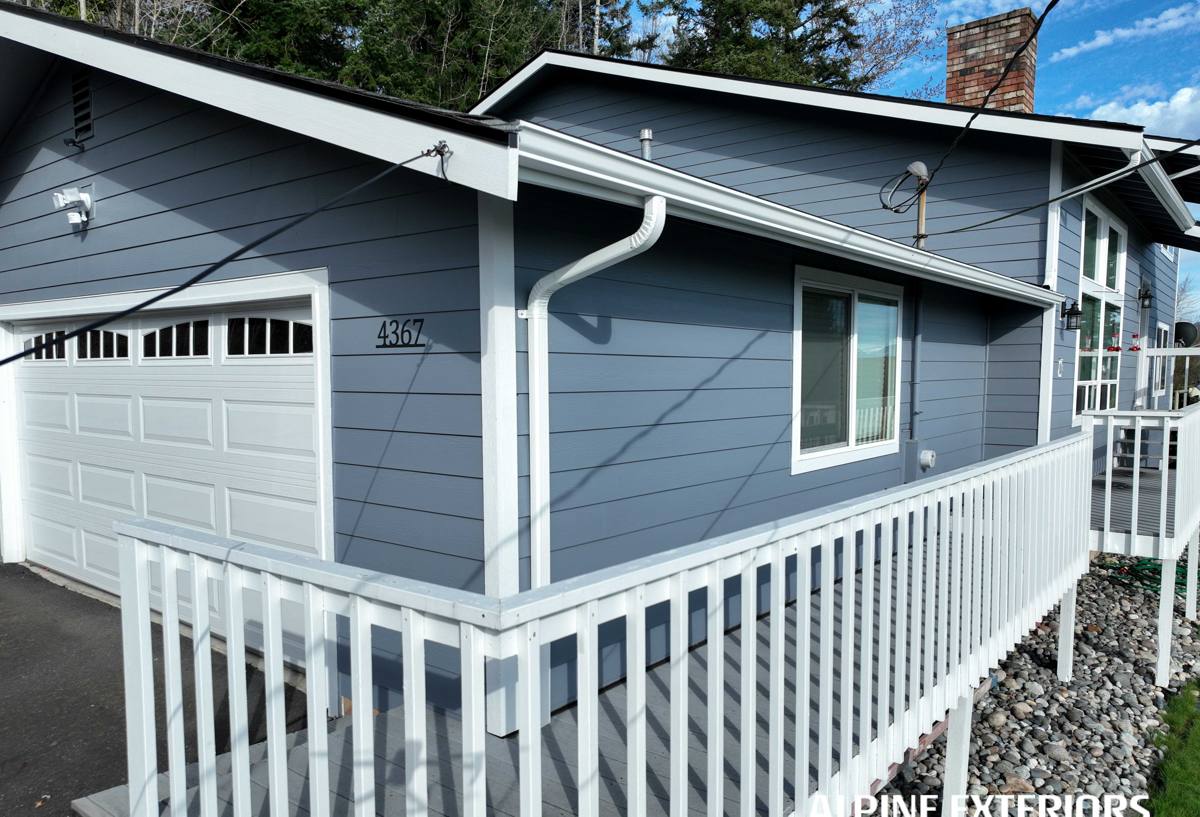
What Whatcom County Weather Does to a South Hill Roof
Salt air and metal fatigue
Homes with bay exposure see faster corrosion on exposed fasteners, flashing, and any metal roofing components. Galvanized nails and older flashing metals break down faster here than they would on a roof twenty minutes inland. Small rust spots on flashing are often the first visible sign that a repair is coming due.
Driving rain finds every gap
Bellingham doesn't just get rain — a lot of it arrives horizontally on a south or west wind, especially on a hill with less tree cover breaking the wind than you'd find lower in town. That kind of rain gets pushed under shingle edges, into nail holes, and behind flashing that would keep water out in a straight downpour. Leaks that only show up "when the wind's blowing a certain way" are a classic driving-rain symptom.
A long moss season
Whatcom County's mild, wet climate keeps moss and moss-friendly conditions active for most of the year, not just a few winter months. On north-facing slopes and shaded sections of a South Hill roof, moss can take hold and stay damp for weeks at a time. Left alone, it holds moisture against the roofing material, lifts shingle edges, and works its way toward the deck underneath.
Common Repair Issues We See on South Hill Homes
- Moss and organic growth holding moisture against shingles or shakes on shaded, north-facing slopes
- Flashing at chimneys, skylights, and roof-to-wall transitions corroding or pulling loose from decades of salt air and wind cycling
- Wind-driven rain intrusion at ridge caps, valleys, and eaves that only shows up in certain storms
- Lifted or cracked shingles from repeated wind gusts common to the hill's exposure
- Clogged or undersized gutters backing water up under the roof edge during heavy rain events
- Nail pops and fastener corrosion from age combined with salt-air exposure
What a Correct Repair Actually Involves
A repair that actually holds up on a South Hill roof isn't just sealing the spot where water is showing up inside the house. Water almost never enters where it appears on your ceiling — it travels along the deck or underlayment before it drips. A correct repair starts by tracing the path backward to the real entry point, which is often several feet from where the stain is.
Once we find the source, the repair needs to match how that section of roof is built — matching shingle type and exposure, re-flashing rather than just caulking over old flashing, and replacing any underlayment or decking that's been compromised by sustained moisture. Caulk and roofing cement have a place in a repair, but they're a short-term seal, not a fix, and we don't use them as a substitute for re-flashing or replacing damaged material.
Signs it's time to call
- Water stains on ceilings or upper walls, especially ones that appear only during wind-driven storms
- Visible moss patches, especially on north-facing or shaded roof sections
- Granules collecting in gutters or at downspouts
- Curling, cracked, or missing shingles
- Daylight visible through the attic roof deck
- Rust streaking below flashing or metal roof components
Our Repair Process
1. Inspection and honest diagnosis
We get on the roof, not just in the attic or on the ground with binoculars. We check flashing, fastener condition, shingle wear, moss coverage, and gutter function together, because on a South Hill home these problems usually compound each other rather than showing up alone.
2. A clear explanation before any work starts
We explain what's actually wrong, what it will take to fix it, and whether repair is the right call or whether you're better served putting that money toward a future replacement instead. We'd rather tell you a repair is temporary than sell you one and let you find out the hard way.
3. The repair itself
Matching materials where possible, re-flashing rather than patching over failed flashing, replacing damaged decking or underlayment, and addressing moss at the source — not just scraping the surface.
4. Cleanup and a straight answer on what's next
We clear debris, check gutters and downspouts are clear and functioning, and let you know honestly how much life is left in the roof so you're not caught off guard.
Repair vs. Replacement: How We Help You Decide
| Factor | Leans Toward Repair | Leans Toward Replacement |
|---|---|---|
| Roof age | Under 15–18 years for asphalt | Nearing or past expected lifespan |
| Extent of damage | Isolated to one section, flashing, or moss | Widespread granule loss, multiple leak points |
| Deck condition | Solid, no soft spots | Soft, spongy, or rotted decking found |
| Moss/moisture history | Recently addressed, isolated patches | Long-term uncleared moss with deck staining |
| Budget goal | Extend current roof a few more years | Avoid repeat repair costs on an aging roof |
There's no universal answer here — it depends on what we actually find once we're on the roof. A roof with one flashing failure and otherwise sound shingles is a straightforward repair. A roof with the same problem showing up in three different spots is usually telling you it's past due for something bigger, and we'll say so plainly.
Roofing Materials on South Hill and How We Approach Their Repair
South Hill's housing stock spans several decades, so we work on a mix of roofing types, each with its own repair considerations in this climate.
Asphalt composition shingles
The most common material we repair. Matching the existing shingle's color and profile matters for both appearance and how well the patch sheds water. Older asphalt roofs with widespread granule loss are usually closer to replacement than repair.
Cedar shake and shingle
Still found on older South Hill homes. Cedar needs more attentive moss management than asphalt because trapped moisture accelerates rot in the wood itself, not just surface wear. Repairs here often involve replacing individual shakes rather than a blanket patch.
Metal roofing and flashing components
Metal roofing itself tends to hold up well against rain, but fasteners and flashing seams are the weak point in salt air. We check these more closely on any home with bay exposure, since corrosion here can be gradual and easy to miss until it's already let water in.
Timing: When to Get Repairs Done in This Climate
The best window for roof repair in Bellingham is late spring through early fall, when there's a reasonable stretch of dry weather to work in and to let repairs cure properly. That said, active leaks don't wait for good weather — if water is getting into your home, we'll get a temporary weatherproof fix in place regardless of season and schedule the permanent repair for the next dry window if needed. Waiting out an entire wet season on an active leak almost always turns a repair into a bigger job.
Why a Crew That Already Works South Hill Matters
A roof twenty minutes from South Hill can look identical on paper and still age completely differently. Crews who don't regularly work this specific hillside can miss how much of the damage here traces back to wind exposure and salt air rather than simple age — and that changes what the right repair actually is. We've worked enough South Hill roofs to recognize these patterns quickly, which means less time (and less of your money) spent on diagnosis and more spent on the actual fix. We're also familiar with the access and safety considerations that come with the hill's steeper lots and driveways, so scheduling and setup don't turn into their own separate problem.
A Simple Maintenance Checklist for South Hill Homeowners
- Have gutters and downspouts cleared at least twice a year, more often under overhanging trees
- Check north-facing and shaded roof slopes for moss growth each fall and spring
- Look at flashing around chimneys and skylights annually for rust or separation
- After any major windstorm, do a visual check from the ground for lifted or missing shingles
- Address small leaks immediately rather than waiting for the next dry season
- Keep an eye on attic insulation and ventilation, since poor airflow speeds up moisture damage from the inside
If you're dealing with a leak, moss buildup, or storm damage on a South Hill roof, we're happy to take a look and give you a straight, no-pressure assessment of what it actually needs. Use the form below to request a free estimate.