 Bellingham Roofing
 Silver Beach Sits Right Where Bellingham's Weather Hits Hardest
Silver Beach is one of the few Bellingham neighborhoods where a home's windows are doing real work every single day, not just sitting there looking nice. Sitting along Bellingham Bay, homes here take on salt-laden air, wind-driven rain coming straight off the water, and the long gray stretch of moss season that runs from fall through spring. That combination is harder on windows than what most inland Whatcom County homes deal with, and it shows up first at the weakest point in any window system: the seals, the frame corners, and the sill.
A window that's rated fine for a subdivision in Ferndale or a home up on Sunset Drive can still underperform on a bay-facing wall in Silver Beach, because the exposure is different. Custom windows for this neighborhood aren't about upgrading for the sake of it — they're about matching the product and the installation to what the site actually throws at the house.
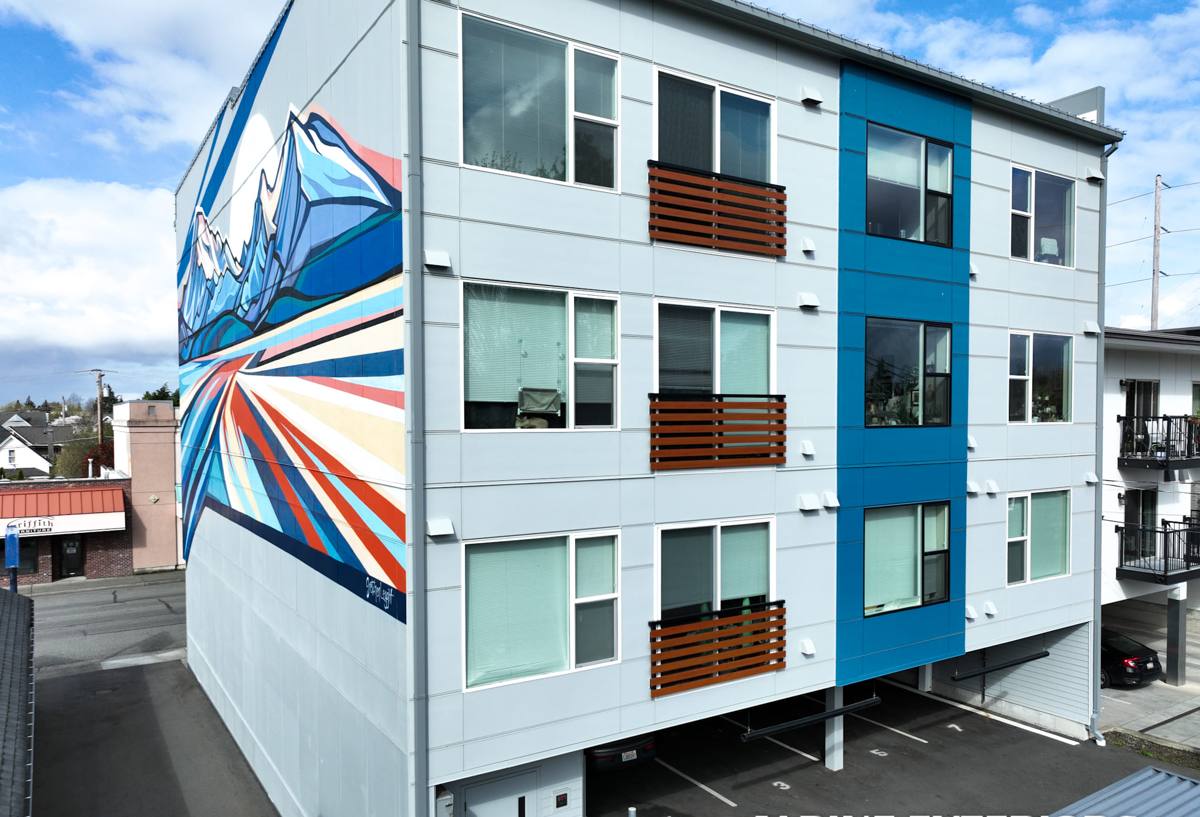
What "Custom" Really Means on a Job Like This
Custom doesn't just mean a nonstandard shape or an oversized picture window, though those come up often on view-oriented homes near the water. On a Silver Beach project, custom usually means one or more of the following:
- Exact field-measured sizing to fit openings in older homes where nothing is perfectly square anymore
- Frame material and glazing package chosen specifically for wind-driven rain and salt exposure, not just a standard energy-code minimum
- Matching sightlines and trim profiles across a wall of windows built to capture the bay view
- Retrofit details that work with existing siding and flashing instead of tearing open more of the wall than necessary
Because a lot of Silver Beach housing stock is older and was built before today's water-management standards existed, "custom" often starts with solving a problem the original installation never accounted for — not just picking a nicer window.
New Construction vs. Replacement
New construction windows install into framed openings with housewrap and flashing built around them from scratch, which gives the most control over water management. Replacement (retrofit) windows go into an existing opening and lean on the condition of what's already there. On a waterfront property, we're honest about which approach a given opening actually needs — sometimes a retrofit is genuinely fine, and sometimes the existing sill or flashing is compromised enough that doing it right means opening the wall up properly instead of covering over a problem.
Frame Material: What Actually Holds Up Near the Water
Every frame material has a marketing pitch. What matters on a bay-front lot is how each one behaves after a few winters of salt air and standing moisture. Here's how the common options compare for this specific setting:
| Material | Salt Air / Moisture Behavior | Maintenance | Best Fit |
|---|---|---|---|
| Vinyl | Won't corrode; seals and welded corners are the long-term concern | Low — occasional cleaning | Budget-conscious replacement on most elevations |
| Fiberglass | Very stable dimensionally, resists swelling and doesn't corrode | Low | Wind-exposed and larger openings, view walls |
| Wood-clad | Good performance if cladding and end-grain sealing are done right; failure point is unsealed wood exposure | Moderate — watch cladding seams | Homes where interior wood trim matching matters |
| Aluminum | Conducts cold and can corrode faster in salt air unless properly finished | Low, but finish quality matters a lot here | Limited use — mainly where a very narrow sightline is required |
We don't push one material as universally "best." We do steer homeowners away from options that carry known trade-offs for a specific exposure — for example, we're cautious about bare or poorly finished aluminum on a direct bay-facing wall, not because it's a bad product everywhere, but because salt air is unusually hard on that particular finish over time.
Glass and Glazing: The Part Most Homeowners Never Think About
The frame gets all the attention, but the glass package is doing most of the work against condensation, heat loss, and UV fade — all of which are amplified by marine humidity.
Dual-Pane vs. Triple-Pane
Dual-pane with a good Low-E coating and argon fill is adequate for most Silver Beach homes and is the more budget-friendly standard. Triple-pane adds real value on north- and west-facing walls that catch the brunt of wind-driven rain and winter cold, mainly through better condensation resistance and a warmer interior glass surface — which matters when humid bay air meets a cold window on a January morning.
Condensation Resistance
Interior condensation is one of the most common complaints we hear from homeowners near the water, and it's often mistaken for a leaking window when it's actually a humidity and insulation issue. Warmer edge spacers (not bare aluminum spacer bars) and a properly sized glazing package reduce this significantly. If your current windows fog up on the inside every cold, damp morning, that's a glazing and ventilation issue worth addressing directly rather than just wiping down daily.
Installation Details That Actually Stop Water — Not Just the Window Itself
On a driving-rain site like Silver Beach, the window unit is only part of the equation. Most leaks we get called out to inspect aren't a failed window — they're a flashing or sealant detail that was rushed during installation.
- Sill pan flashing under the window opening, so any water that does get past the frame drains back out instead of sitting on wood sheathing
- Proper shingle-lap sequencing of flashing tape and housewrap around the opening, so water is directed down and out, not trapped behind the siding
- Backer rod and quality exterior sealant at the perimeter, sized and tooled correctly rather than just caulked over gaps
- Correct shimming so the frame isn't racked, which is what causes hardware to bind and seals to fail early
This is the part of a window job that's invisible once the trim goes back on — and it's exactly why the installer matters as much as the product on a site with this much weather exposure.
Moss Season and the Slow Damage It Causes
Whatcom County's long wet season means moss and algae growth isn't limited to roofs. It builds up on window sills, in frame corners, and on exterior trim wherever moisture sits without drying out between rains. Left alone, that constant dampness softens wood trim, holds moisture against sealant joints, and shortens the life of even a well-installed window. Part of doing this job right in Silver Beach is making sure sills are sloped to shed water, trim details don't create moisture traps, and materials at ground level or in shaded, damp spots are ones that can actually handle sitting wet for weeks at a time during the darker months.
How We Approach a Silver Beach Window Project
- On-site assessment — we look at current window condition, existing flashing and sill detail, and which elevations take the worst wind-driven rain
- Material and glazing recommendation — matched to each wall's actual exposure, not a one-size answer for the whole house
- Precise field measurement — especially important in older homes where openings have shifted over the decades
- Installation with full water-management detailing — sill pans, flashing sequencing, and sealant done to hold up against the specific rain pattern this neighborhood gets
- Final walkthrough — operation, sightlines, and cleanup checked before we consider the job done
Signs Your Current Windows Are Losing the Fight
If you're not sure whether you're due for a window conversation, these are the signals we hear about most from homeowners in this part of Bellingham:
- Fogging or haze between the panes (a failed seal, not a cleaning issue)
- Persistent condensation on the inside of the glass in cold weather
- Soft or discolored wood at the sill or bottom corners of the frame
- Windows that are hard to open, close, or lock, or that have started to sag
- Visible moss, algae, or dark staining building up on sills and trim
- A noticeable draft or temperature difference near the window on windy, rainy days
Why Local Experience in This Neighborhood Matters
A window contractor who mostly works inland jobs may not think twice about aluminum trim finishes, sill drainage, or how much wind-driven rain a bay-facing wall actually takes in a typical Bellingham winter. Working regularly in Silver Beach and along other Whatcom County waterfront areas means we've already seen how salt air, humidity, and driving rain wear on different products and installation methods over time — and we build that into the recommendation instead of learning it from a callback.
If you're weighing options for a window project on your Silver Beach home, we're happy to take a look and put together a straightforward, no-pressure estimate based on what your home actually needs — just fill out the form below to get started.