 Bellingham Roofing
 Why Silver Beach Siding Takes Extra Punishment
Silver Beach is a well-established, tree-shaded residential neighborhood, and that combination is exactly what wears siding out faster than a homeowner expects. Bellingham sits directly on Bellingham Bay, and salt-laden air moves through Whatcom County neighborhoods year-round, not just along the immediate waterfront. Add in the region's long stretch of driving, wind-pushed rain and a moss season that can run from fall through spring, and you have three separate stressors working on the same wall assembly at the same time.
The Salt Air Factor
Salt air doesn't just corrode metal fasteners and flashing faster than it would inland — it also keeps siding surfaces slightly damp longer after a rain event, which slows drying time and gives mold, algae, and mildew a head start. Over years, that combination accelerates paint and finish breakdown on materials that weren't engineered for a marine climate.
Wind-Driven Rain and Wall Assemblies
Bellingham's rain rarely falls straight down. Wind-driven rain gets pushed sideways into joints, seams, and fastener penetrations that were never designed to handle sustained lateral pressure. Siding that's caulked, flashed, or fastened even slightly wrong will let moisture in over time — and by the time it shows on the surface, there's often already damage happening behind it.
Moss, Algae, and Shade
Silver Beach's mature tree canopy is part of what makes it a pleasant place to live, but shaded, damp siding is a magnet for moss and algae growth. Left alone, that growth holds moisture against the siding surface and, on the wrong material, works into seams and edges where it accelerates deterioration.
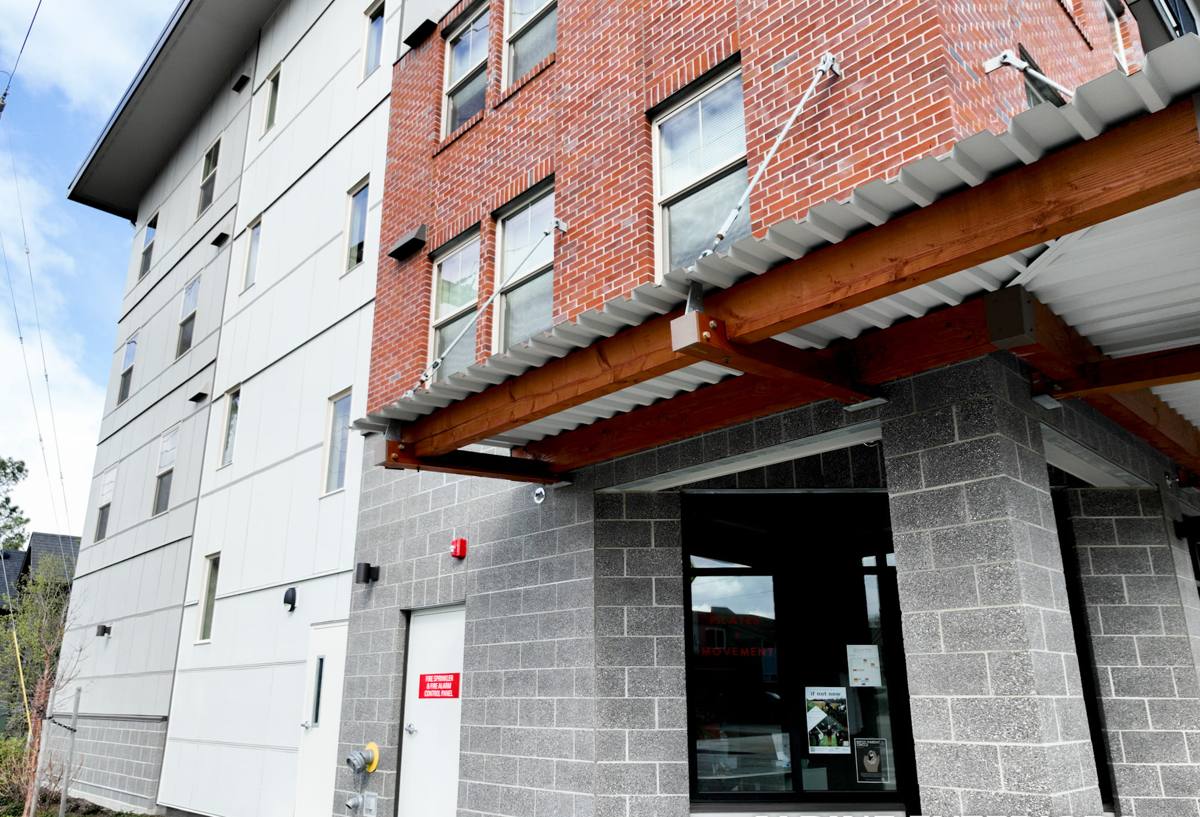
Signs Your Silver Beach Siding Needs Repair
Most siding problems don't announce themselves loudly. They show up as small, easy-to-dismiss details that indicate a bigger issue is developing behind the wall.
Surface Damage
- Cracked, split, or visibly warped siding panels or boards
- Paint that's peeling, bubbling, or failing in patches rather than evenly
- Persistent moss, algae, or dark staining that comes back shortly after cleaning
- Gaps opening up at seams, corners, or trim where caulking has failed
- Fastener heads popping out or leaving rust or corrosion streaks
Signs of Moisture Behind the Siding
Soft or spongy spots when you press on the siding, a musty smell near exterior walls, interior wall staining, or visibly sagging sections are all signs that water has already gotten past the surface. These are the situations where a quick cosmetic patch won't solve the actual problem — the wall assembly behind the siding needs to be checked.
What a Correct Siding Repair Actually Involves
A repair that only addresses what's visible from the curb is a repair that will fail again. Correct siding repair in a climate like ours starts with figuring out why the damage happened in the first place, not just covering it up.
It's Not Just Patch and Paint
A proper repair means pulling back the damaged siding to inspect the weather-resistive barrier, flashing, and sheathing underneath. If water has been getting behind the siding, that underlying moisture barrier needs attention before new siding goes back up — otherwise you're sealing a problem inside the wall instead of fixing it.
Matching Material and Finish
Replacement sections need to match the existing siding in profile, exposure, and finish as closely as possible so the repair doesn't stand out or create a new water-entry point at the transition. On factory-finished fiber cement, that means matching the ColorPlus finish rather than field-painting a patch a slightly different shade than the surrounding wall.
Repair or Replace? How We Help You Decide
Not every siding problem calls for a full re-side, and not every problem should be patched and left alone. The right call depends on how widespread the damage is, what's causing it, and how much useful life is left in the rest of the siding.
| Factor | Leans Toward Repair | Leans Toward Replacement |
|---|---|---|
| Extent of damage | Isolated to one wall, corner, or a handful of boards | Spread across multiple elevations |
| Cause | Impact damage, a failed caulk joint, or a one-time issue | Systemic moisture intrusion or original installation defects |
| Material condition | Rest of the siding is sound and holding paint well | Siding elsewhere is also cracking, delaminating, or failing |
| Age of siding | Well within its expected service life | At or past the age where the material typically starts failing |
| Wall assembly | Sheathing and barrier underneath test dry and sound | Rot, mold, or sustained moisture found behind the siding |
We'll give you a straight answer either way. If a targeted repair will genuinely hold up, that's what we recommend — there's no reason to sell a full re-side when it isn't needed.
Our Silver Beach Siding Repair Process
- Inspection. We look at the damaged area and the surrounding siding, checking for moisture, soft spots, and signs the problem extends further than what's visible.
- Diagnosis. We identify the actual cause — a flashing failure, a caulk joint that let go, an impact, or a broader moisture issue — so the repair addresses the source, not just the symptom.
- Wall assembly check. If there's any indication water has gotten behind the siding, we open it up to inspect the weather barrier and sheathing before closing anything back up.
- Material removal. Damaged sections are cut back to sound material along clean lines, not just pried off at the crack.
- Repair and reinstallation. New siding, flashing, and fasteners go in to the same standard we'd use on a full installation, with proper clearances and sealant at the right joints — not every joint.
- Finish match and cleanup. We match color and profile as closely as the product line allows and leave the site clean.
Why We Repair and Install Only James Hardie Fiber Cement
When a repair calls for new material, we use James Hardie fiber cement — the same product we install on full re-sides. We don't install LP SmartSide, vinyl, Cemplank, Allura, or unfinished wood siding, and it's worth explaining why, especially for a climate like Bellingham's.
Vinyl siding is affordable and low-maintenance in mild conditions, but it can warp or become brittle with age and temperature swings, and it isn't the material we'd choose to hold up long-term against sustained wind-driven rain. Engineered wood products like LP SmartSide perform well when properly maintained, but they're wood-based, which means ongoing vigilance around moisture and cut-edge sealing matters more in a marine climate than it does inland. Other fiber cement brands, like Cemplank and Allura, are reasonable products, but we've standardized on one manufacturer so our crews install to one spec, source one set of trim and accessories, and back one warranty — consistency that matters when a homeowner calls us back for a repair five or ten years later.
James Hardie's HZ5 product line is engineered for climates like ours — moisture, freeze-thaw cycling, and coastal exposure — and the ColorPlus factory finish is baked on and warrantied against fading and peeling in a way field-applied paint isn't. It's non-combustible fiber cement, it holds up to the moss and mildew pressure this area produces, and it carries a strong transferable warranty. When we repair a section of Hardie siding, we're extending a system that was already built for Whatcom County's climate — not patching in a different material and hoping it ages the same way.
Why Local Silver Beach Experience Matters
A crew that regularly works Silver Beach and the surrounding Bellingham neighborhoods already knows what this area's exposure does to siding over time — where moss builds up fastest, which wall orientations take the worst of the driving rain, and what a five-year-old moisture problem looks like versus a fresh one. That matters when you're deciding between a repair and a replacement, and it matters when the crew is matching new material to siding that's already weathered a few Bellingham winters. It also means someone local is easy to reach if a question comes up after the work is done, instead of chasing down a crew that was only in the area for one job.
After the Repair: Keeping Your Siding Protected
A correct repair should hold up for years, but a little routine attention keeps it — and the rest of your siding — performing the way it should in this climate.
- Rinse siding periodically to keep moss and algae from taking hold, especially on shaded, north-facing walls
- Trim back tree branches and shrubs that keep siding damp and shaded longer than necessary
- Check caulking at trim, corners, and penetrations once a year and have any cracked or missing sealant redone
- Keep gutters and downspouts clear so water isn't sheeting down or pooling against the siding
- Walk the exterior after major windstorms and check for anything knocked loose or cracked
- Address small issues — a cracked board, a lifted seam — before the next rainy season, not after
If you're seeing damage, moss buildup, or soft spots on your Silver Beach home's siding, we're happy to take a look and give you a straightforward assessment — repair, replacement, or nothing at all if it doesn't need it. Reach out for a free, no-pressure estimate using the form below.